New Delhi, 26 September (H.S.):
India has stressed the need for global cooperation and mutual solidarity to prevent, prepare for and effectively respond to future pandemics. India said pandemic preparedness is a shared responsibility and that equity and global solidarity must remain at its core.
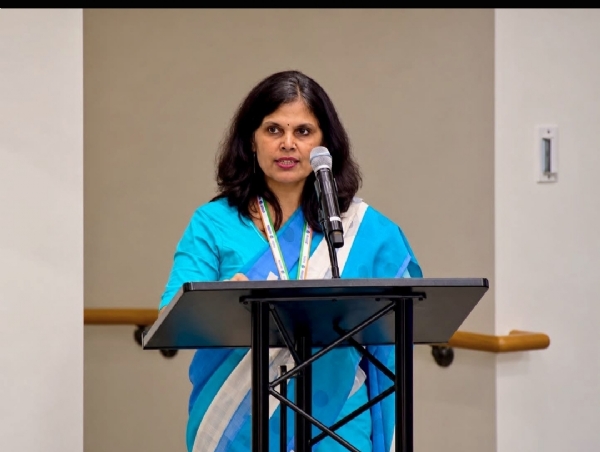
Union Health Secretary Punya Salila Srivastava presented India’s position at a high-level meeting on pandemic prevention, preparedness and response held on Friday at the United Nations Headquarters in New York. India said the lessons learned from the COVID-19 pandemic should not be confined to experience alone. Instead, those lessons must serve as the basis for strengthening health systems, enhancing institutional capacity and ensuring sustained investment to prepare for and respond to future pandemics.
The Health Secretary said India is strengthening its laboratory networks, emergency coordination mechanisms, healthcare workforce capacity, essential medical stockpiles and treatment services. These efforts, she said, should be integrated with national health systems and domestic financial resources, while international cooperation should complement national initiatives.
India supplied 300 million vaccine doses to around 100 countries
Highlighting India’s role during the COVID-19 pandemic, it was stated that India supplied around 300 million vaccine doses to nearly 100 countries and two United Nations entities. In addition, medical assistance was provided to more than 150 countries. These efforts were described as being in keeping with the spirit of ‘One Earth, One Health’ and India’s commitment to developing countries.
Emphasising the need to develop digital public infrastructure as a global public resource, she said digital platforms played a crucial role during the COVID-19 pandemic in disease surveillance, vaccination, risk communication, the supply of medical commodities and the continued delivery of healthcare services.
India calls for equitable framework under WHO Pandemic Agreement
India described the World Health Organization’s Pandemic Agreement, adopted in May 2025, as an important step forward. The Health Secretary said its credibility would depend on how equitable the arrangements for access to pathogens and the sharing of benefits arising from them ultimately prove to be.
India said the sovereignty of countries that provide pathogens and biological resources must be respected. At the same time, such countries should have timely access to essential health products and services, including vaccines, diagnostics, treatments and technology. Negotiations on pathogen access and benefit-sharing are still underway; therefore, the outcomes of those negotiations should not be predetermined through a political declaration.
WHO Director-General Dr Tedros Adhanom Ghebreyesus also stressed the need for urgent action to strengthen global pandemic preparedness at the meeting. He said progress had been made towards strengthening the global health security architecture following the COVID-19 pandemic.
United Nations Deputy Secretary-General Amina Mohammed also urged countries to guard against complacency in the face of pandemic threats. She emphasised the need to strengthen community-level surveillance and information systems for the early detection and prevention of infectious diseases.
The meeting discussed strategies for developing resilient, equitable and sustainable health systems capable of responding effectively to future health emergencies.
---------------
Hindusthan Samachar / Jun Sarkar
18 Aug 2026