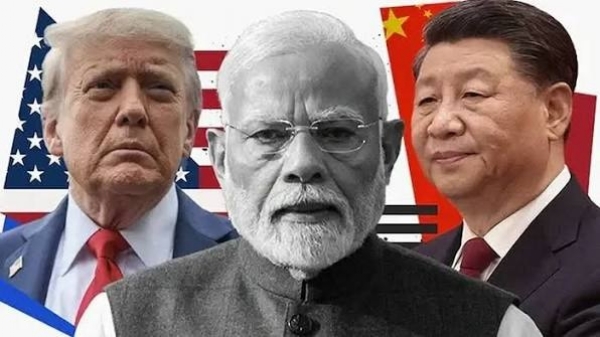
New Delhi/Washington,16 September (HS): The United States is stepping up pressure on countries purchasing crude oil from Russia, with activity intensifying in Washington over new sanctions and tariff measures. A bipartisan bill has been introduced in the US Senate proposing tariffs of up to 100 percent on products from countries that continue buying Russian oil. India and China are among the principal countries potentially affected by the proposal.
The initiative is part of a new version of Russia sanctions legislation associated with the late Republican Senator Lindsey Graham. The broader objective of the bill is to increase pressure on Russia’s energy revenues and the trading networks linked to them. According to Democratic Senator Richard Blumenthal, the proposed legislation could target Russia’s energy, financial and defence sectors, as well as its trade networks and influential business figures.
An amendment proposed in the House of Representatives specifically names India and China, along with Turkey, Azerbaijan, Hungary, Slovakia, the United Arab Emirates, Singapore, Kazakhstan and the Kyrgyz Republic. Under the proposed framework, countries that continue purchasing Russian oil could face tariffs of up to 100 percent.
However, the version passed by the Senate does not directly name these countries. Instead, it contains a provision targeting the five largest importers of Russian oil and gas by volume. The final form of the legislation could therefore change following amendments considered by the House.
The current proposal also reportedly provides for exemptions from the potential tariffs for 15 European countries that purchase Russian gas. The rationale cited for the exemption is that these countries’ dependence on Russian gas is limited relative to their overall energy requirements and that they are taking steps to reduce their reliance on Moscow.
India is one of the world’s largest crude oil importers, and Russian crude has been among its major sources of supply in recent years. According to data from the Petroleum Planning and Analysis Cell (PPAC), India imported approximately 21.5 million metric tonnes of crude oil in May. The duration of US sanctions and any related waivers concerning Russian oil are also significant in this context. According to available reports, the US waiver granted to India in connection with sanctions on Russian oil expired on June 17, 2026.
An earlier version of the proposed legislation had envisaged tariffs of up to 500 percent on countries purchasing Russian oil and gas. In the latest version, the proposed ceiling has been reduced to 100 percent.
The legislation is not limited to tariffs. It also seeks to strengthen sanctions against Russia’s leadership, energy sector and the so-called “shadow fleet.” US lawmakers argue that revenue generated from Russian oil helps Moscow sustain its capacity to wage the war in Ukraine.
The Senate passed one version of the legislation by a vote of 86-11 on August 7. The bill is now moving through the House of Representatives. On Tuesday, the measure cleared an important procedural hurdle, with two Democratic lawmakers joining Republicans in voting in favour of advancing it.
However, several amendments have been proposed in the House, including an effort to remove the tariff provision. It is therefore not yet certain in what form, if any, the 100 percent tariff provision will remain in the final legislation. The bill can be sent to President Donald Trump for his signature only after it clears the House. Consequently, the proposed 100 percent tariff is not currently final US policy, and its eventual impact will depend on House action and subsequent legislative changes.
If the 100 percent tariff provision remains in the final law and India falls within its scope, it could affect Indian goods exported to the United States and potentially intensify trade tensions between the two countries. However, the actual impact would depend on which countries are ultimately covered by the legislation, which products are subject to the tariffs, and the extent of any exemptions or waivers that the President is authorised to grant.
---------------
Hindusthan Samachar / Jun Sarkar
18 Aug 2026