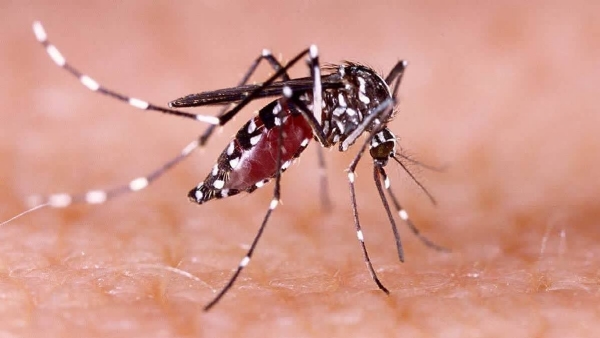
Kolkata, 14 September (H.S.): Dengue cases are continuing to rise in West Bengal, with the number of affected people crossing the 5,000-mark this year. In view of the rising cases, the state Health Department has identified 29 municipalities, 85 community development blocks and 278 gram panchayats as dengue hotspots and stepped up testing and surveillance in these areas.
According to a Health Department official, intensive and random blood sample testing is being conducted in the identified hotspots. The highest number of dengue-positive cases reported last month came from these areas.
The department has also adopted specific criteria for identifying dengue hotspots. A gram panchayat is classified as a hotspot if 10 or more dengue cases are reported from the area. A community development block is categorised as a hotspot when more than 30 cases are detected, while a municipality is identified as a hotspot when five or more dengue cases are reported from most of its wards.
The Health Department has launched extensive awareness campaigns in the affected areas. People have been advised to undergo blood tests if they develop persistent fever for two or more days, particularly when accompanied by symptoms associated with dengue. Officials have also urged people not to self-medicate and to consult a doctor or visit the nearest health centre for testing.
Health workers are conducting door-to-door surveillance as part of efforts to contain the spread of dengue. Residents have been advised to keep water tanks and cisterns properly covered. Where lids are unavailable, mosquito nets or mesh covers have been recommended. People are also being advised to prevent water from accumulating in flower pots, discarded containers and other items kept on rooftops or around their homes.
The department is also monitoring ponds, drains, culverts, dry canals, abandoned wells and industrial premises. Larvicides are being used in accordance with prescribed guidelines to eliminate mosquito larvae.
According to the latest dengue bulletin issued by the Health Department on Sunday, the number of people affected by dengue in the state stood at 5,002 as of September 11. During the corresponding period in August, the figure was below 2,500, indicating that nearly 2,500 new cases were reported in about a month.
Murshidabad has emerged as the worst-affected district, with 1,072 dengue cases reported so far. Kolkata follows with 500 cases, while North 24 Parganas has recorded 450 cases.
Hindusthan Samachar / Satya Prakash Singh
18 Aug 2026
ED raids KPSC office, 20 other locations over Karnatak veterinary recruitment scam
ED raids KPSC office, 20 other locations over Karnatak veterinary recruitment scam..