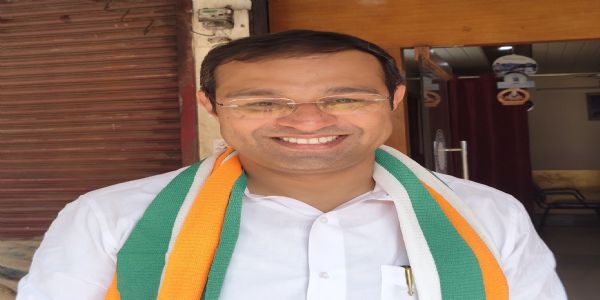
Thiruvananthapuram, 13 September (H.S.): Ganeshotsav, one of India’s widely celebrated religious festivals, combines spiritual devotion with messages of social unity, self-discipline and national consciousness, according to M S Bhunachandran, founder of the Ganeshotsav Trust in Kerala.
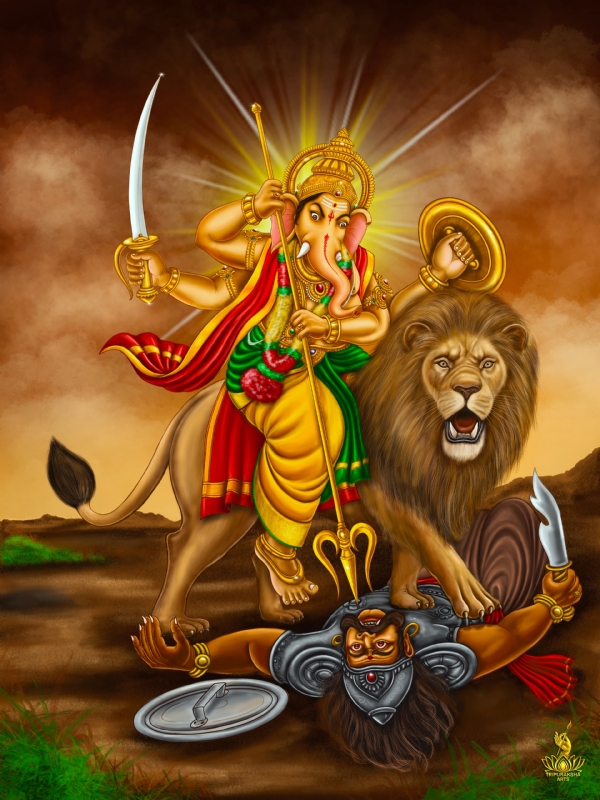
Bhunachandran said the festival encourages devotees to overcome destructive emotions and cultivate wisdom, humility and compassion. Hindu tradition associates Lord Ganesha’s eight forms with the defeat of eight demons representing jealousy, delusion, arrogance, greed, ego, anger, desire and obstruction.
During the festival, devotees install clay idols of Ganesha in homes, temples, institutions and public spaces. The idols are worshipped with prayers and offerings before being taken in processions for immersion in the sea, rivers or other flowing waterbodies.
The immersion ceremony symbolises the deity’s return to nature and the surrender of human suffering and negative emotions. Devotees traditionally offer kozhukatta, unniyappam and laddus during the worship. Acts of charity, including the distribution of food, clothes and books to people in need, are also considered an important part of the observance.
Celebrated during the Hindu month of Bhadrapada, Ganeshotsav has roots in religious tradition. Hindu accounts connect Ganesha worship with King Nala and Damayanti, the Pandavas and Chhatrapati Shivaji.
The festival later became closely linked to India’s freedom movement. Bal Gangadhar Tilak popularised public Ganeshotsav celebrations during British rule, transforming community gatherings into platforms for unity, political awareness and resistance to colonial authority. This development gave the festival a prominent nationalist dimension alongside its spiritual importance.
In Kerala, organised celebrations began about 35 years ago with the formation of the Ganeshotsav Trust under Bhunachandran’s leadership. The annual observance has since expanded to several parts of the state.
Bhunachandran said participation should transcend caste and religious divisions. The festival’s enduring message, he added, is that devotion must inspire generosity, harmony, humility and collective responsibility within the wider society.
---------------
Hindusthan Samachar / Arun Lakshman

18 Aug 2026
ED raids KPSC office, 20 other locations over Karnatak veterinary recruitment scam
ED raids KPSC office, 20 other locations over Karnatak veterinary recruitment scam..