WASHINGTON/TEL AVIV/TEHRAN, 02 August (H.S.): Tensions surrounding the Strait of Hormuz have intensified, raising fears of a broader regional conflict. According to multiple media reports, the United States and Israel are reportedly preparing for another round of military action against Iran following their coordinated operation on February 28. The reports claim that the proposed operation would focus on targeting Iran's energy infrastructure.
Iran has warned that any such attack would trigger a wider conflict extending beyond the Gulf region. Iranian officials have declared that their armed forces are prepared to strike enemy positions if military action is launched against the country. In response to the growing tensions and Iran's warnings, the Israeli military has reportedly strengthened its defensive preparedness.
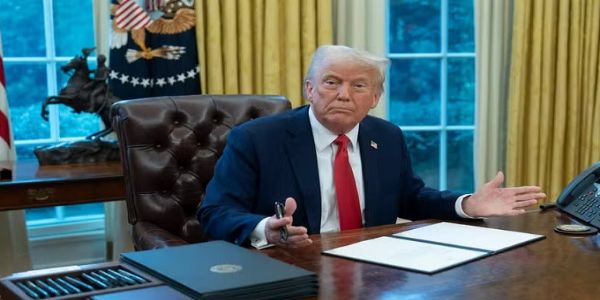
According to reports by CBS News, Axios, Ynet, and Al Jazeera, Saudi Crown Prince Mohammed bin Salman is concerned about the deteriorating regional situation. On Saturday, he reportedly held a conversation with US President Donald Trump and cautioned against launching a renewed military offensive against Iran.
Meanwhile, US embassies have reportedly advised American citizens residing in several Middle Eastern capitals, including Amman, Jerusalem, and Baghdad, to remain prepared for possible evacuation if the security situation deteriorates.
Earlier, President Trump reportedly told a Cabinet meeting on Friday that the United States would not back down and that Iran would have to yield. He also reiterated that previous conflicts in Vietnam, Afghanistan, and Korea had continued for extended periods. According to sources cited in the reports, military action against Iran could begin as early as this weekend.
Amid reports of US and Israeli military preparations, Iranian lawmaker and National Security and Foreign Policy Commission member Ebrahim Rezaei warned that Iran's armed forces are fully prepared to respond to any American attack. He said Iran's retaliation would not remain confined to the Persian Gulf and that enemy positions would be targeted. He also warned that oil and gas facilities in the Gulf region could become targets if hostilities escalate.
Rezaei further stated that Israeli Prime Minister Benjamin Netanyahu and President Trump should not underestimate Iran's capabilities. He dismissed President Trump's earlier remarks about reducing Iran to the Stone Age, asserting that Iran had suffered no such setback and that the country's armed forces remained fully capable and prepared.
Amid the escalating situation, Iranian Foreign Minister Abbas Araghchi reportedly held discussions on Saturday with senior officials from Türkiye, Pakistan, and Saudi Arabia. According to the reports, he urged those countries to convey to the United States that any renewed attack on Iran would have serious consequences.
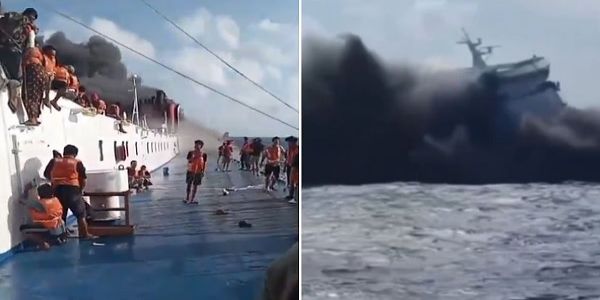
Against the backdrop of rising tensions in the Strait of Hormuz, the British Royal Navy reported that a commercial tanker was attacked on Saturday in the strategic waterway. Another tanker was reportedly targeted but sustained only limited damage after explosions occurred nearby.
The United Kingdom Maritime Trade Operations (UKMTO) stated that an unidentified projectile struck a vessel approximately 11 nautical miles northeast of Lima, Oman, on Friday, damaging its engine room. On Saturday, another tanker reported splashes and explosions in the water about 21 nautical miles northwest of Khasab. Separate reports also indicated that crude oil was leaking from a sanctioned tanker stranded off the coast of Oman.
Meanwhile, Yemen's Iran-backed Houthi movement appeared to soften its position. The Houthis denied allegations that they were collecting tolls from ships passing through the Bab al-Mandeb Strait. Earlier this week, Yemen's Information Minister Moammar al-Eryani had accused the group of attempting to impose charges on maritime traffic in a manner similar to Iran's reported actions in the Strait of Hormuz. The Houthis rejected the allegation, stating that no tolls were being collected from vessels transiting the Bab al-Mandeb. It may be recalled that last month the group had announced a maritime blockade only against Saudi-flagged ships.
Mohammad Bagheri Zolghadr, Secretary of Iran's Supreme National Security Council, warned that if the United States launches another military attack, Tehran would further tighten restrictions in the Strait of Hormuz and could also close other strategic waterways. It may be recalled that following the February 28 attack, Iran announced the closure of the Strait of Hormuz, a vital maritime route through which nearly 20 percent of the world's oil and liquefied natural gas supplies have historically passed.
---------------
Hindusthan Samachar / Jun Sarkar

02 Aug 2026