Chandigarh, 02 August (H.S.): The Punjab Government is set to introduce the Community Bridge Model, a structured 90-day rehabilitation programme designed to ensure continued care for people recovering from substance abuse after they leave de-addiction centres.
The initiative forms part of the state’s ongoing Yudh Nashean Virudh campaign and aims to address the risk of relapse by extending treatment from de-addiction facilities to patients’ homes and communities.
Under the model, patients will first undergo medically supervised detoxification at a government de-addiction centre. Once doctors declare them clinically fit for discharge, their recovery programme will continue at home through regular tele-counselling, mandatory drug tests and active involvement of family members.
The home-based rehabilitation process will begin a day before discharge, when the patient’s family will attend a compulsory psychoeducation session. The session will prepare relatives to support the patient and identify possible warning signs during recovery.
During the first 30 days after discharge, patients will receive intensive tele-counselling through three to four calls every week. Drug tests will also be conducted periodically. Those who fail a test will be reassessed by a psychiatrist and may be advised further treatment.
In the next phase, lasting around one-and-a-half months, counselling calls will gradually be reduced to one or two per week. At the end of three months, the patient’s progress will be reviewed and a final mandatory drug test will be conducted.
The programme includes a three-level intervention mechanism to prevent patients from dropping out. Counsellors will immediately contact those who miss sessions, followed by intervention from supervisors and family members where required. In cases of confirmed relapse or serious safety concerns, patients will be encouraged to return to a de-addiction centre.
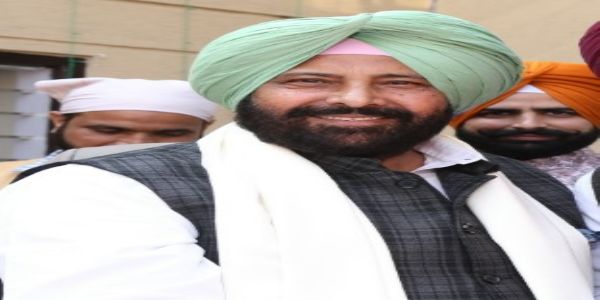
Health and Family Welfare Minister Dr Balbir Singh said the model marks a major shift from short-term detoxification to sustained community-based rehabilitation. He said it would improve long-term recovery outcomes, increase the effectiveness of de-addiction services and allow more patients to access treatment facilities.
The government is currently piloting the programme in Amritsar, Hoshiarpur, Moga and Mohali districts.
Punjab presently has 56 government de-addiction and rehabilitation centres and more than 540 Outpatient Opioid Assisted Treatment clinics. Officials observed that many patients returned home after detoxification without any supervised recovery plan, increasing the possibility of relapse. Prolonged stays of clinically stable patients also reduced the availability of beds for new admissions. The Community Bridge Model has been designed to address both concerns by ensuring continuity of care while improving treatment-centre capacity.
Hindusthan Samachar / GURSHARAN SINGH