Kabul, 13 August (H.S.):
Afghanistan's Taliban government has assured that it will ensure the security of a proposed railway route that could connect Russia with India. Abdul Rahman Habib, spokesperson for Afghanistan's Ministry of Economy, said the country could play a significant role in the project because of its strategic geographical location, while also benefiting from increased employment opportunities.
In an interview with Russia's international news television network Russia Today (RT), Habib said Afghanistan supports projects of this nature. He said the proposed railway could provide an opportunity to expand economic activity and generate employment in the country.
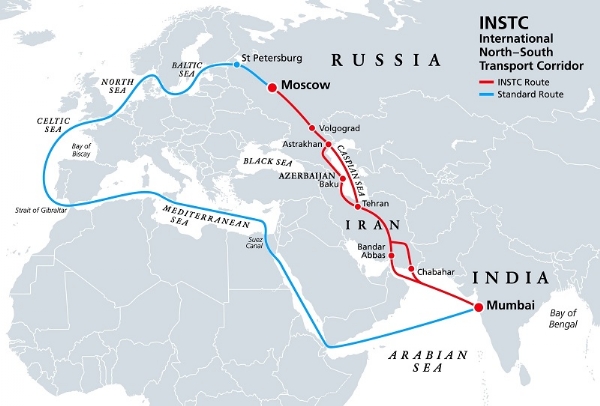
Russian Deputy Prime Minister Marat Khusnullin proposed developing a rail connection to India last week. He said the objective was to reduce potential risks associated with maritime transportation through the Strait of Hormuz and provide Russia with an alternative route to the Indian Ocean.
Khusnullin said several options could be considered for establishing rail connectivity with India, including potential routes through Turkmenistan, Iran, Afghanistan and Pakistan.
Although Afghanistan is rich in natural resources, it is a landlocked country with no direct access to the sea. A rail connection with India and the Indian Ocean could provide Kabul with an opportunity to increase revenue from regional trade and transit. The proposed railway could also boost freight transportation, logistics and cross-border commerce while creating new employment opportunities locally.
Since the Taliban returned to power in 2021, Russia has expanded its economic and security engagement with Afghanistan. The two sides have continued discussions on regional security and economic cooperation.
In May, Russia and the Taliban government reached a military cooperation agreement, which could further strengthen Moscow's strategic role in Central Asia and its security cooperation with Afghanistan.
India and Russia have maintained longstanding strategic and defence ties. India is also a major buyer of Russian crude oil. Amid growing risks to maritime trade through the Strait of Hormuz and the Red Sea, the need for alternative transportation routes between the two countries has gained importance.
India and Russia have set a target of increasing bilateral trade to $100 billion by 2030. Against this backdrop, potential rail connectivity linking Russia, Afghanistan and India could eventually emerge as an important alternative for trade and transportation.
However, several challenges must be addressed before the project can be implemented, including security concerns, infrastructure requirements, financial investment and regional political conditions. The proposal is currently at an early stage.
---------------
Hindusthan Samachar / Jun Sarkar