Nagpur, 13 Aug
(HS): The oldest Indian civilisation in the world survived despite several
aggression, as it encompasses all the living being on the earth, irrespective of
different lifestyles, faiths, language food habits etc. The Vedic literature
does not mention of any caste or religion, as Hindu is not a religion but a
lifestyle, It differentiated people based on their profession and has liberty
to change it by acquiring knowledge.
The Vedas,
Upanishads and other ancient literature were penned down with lot of
experiments by Rishis and Munis and have been proved to be scientific on the
parameters of modern science.
In an effort to
connect modern science with the rich ancient Indian knowledge base. The
Government of India is making a systematic effort to understand and present the
ancient literature before the future generations.
Gyan Bharatam Mission and Funds Allocation
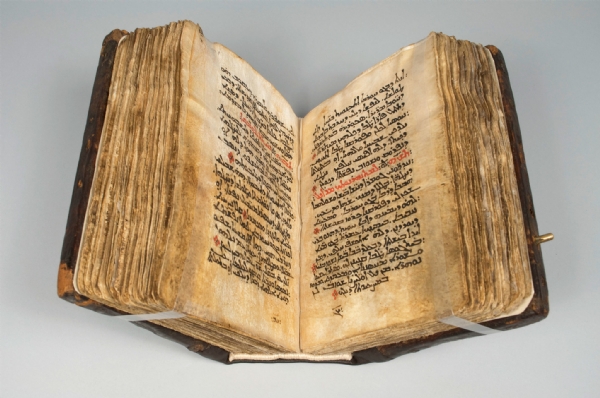
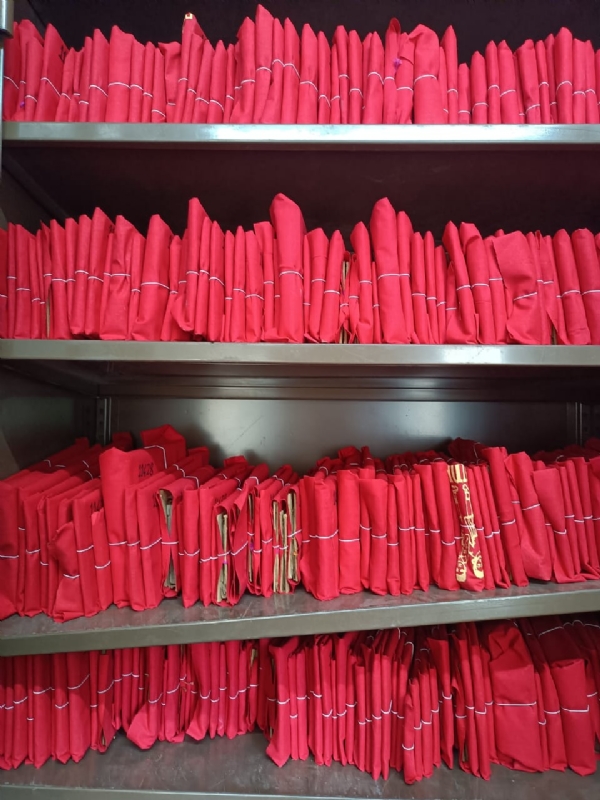
The manuscripts
mostly written in Sanskrit language as it was the language used in that era,
are being preserved, digitised and placed for studies by all. Besides providing
references of ancient scripts for reference in courses in science and technology,
the ancient literature is being provided with a click of a button through
internet.
The initiative
started with an international conference in New Delhi on ‘Reclaiming India’s
Knowledge through Manuscript Heritage’ from September 11 to 13, 2025, under the
‘Gyan Bharatam Mission’. An encouraging 1100 scholars, experts, students and
representatives of institutions of higher learning from across India and abroad
participate.
Documentation of
manuscripts had started from 2004, which gained a boost as the Ministry of
Culture, Government of India allocated Rs 482.85 crore for the purpose.
Over 44.07 lakh
(4.407 million) manuscripts are documented and are being stored under the Kriti
Sampada Digital Repository. Most of them are available with universities and
public libraries.
Public Libraries
The Directorate
of Public Libraries in a meeting on August 12, 2026 has planned to open and
centre for preservation, and digitisation of the manuscripts in Maharashtra
available in public libraries. The digitised ancient Indian knowledge will be
presented to the future generations. The Apex Library at Mumbai, will have the
information about all the manuscripts in Maharashtra, separated in different
categories based on their subjects
Bhadarkar
Prachyavidya Sanshodhan Mandir, Pune and Asiastic Society, Mumbai are involved
in categorisation of the manuscripts. The Higher Education Department has also
constituted an Advisory Committee for the purpose.
Cluster Centres
Gyan Bharatam
Clustor Centre have been created for coordinating with the universities and
educational institutions in the region. Care has been taken to select those who
have knowledge and interest in manuscripts.
Kavikulguru
Kalidas Sanskrit University, Ramtek in Nagpur has been selected as a Cluster
Centre for the Vidarbha and Marathwada regions in Maharashtra.
Rashtrasant Tukadoji
Maharaj Nagpur University, established in 1923, is one of the oldest
universities in India has 14,313 manuscripts preserved in its library. The
oldest manuscripts is of 17th century. The manuscripts are useful
for the students of the Department of Ancient Indian History and Archaeology.
Kavikulguru
Kalidas Sanskrit University (KKSU), established in 1972, has over 3500
manuscripts. The university has wide range of teaching facilities from
astrology to connecting ancient literature with science and technology of modern
science.
The KKSU has
been rightly selected as the Cluster Centre for almost half of the Maharashtra
State, including Maharma Gandhi International Hindi University at Wardha,
Riddhapur University dedicated to teaching Mahanubhav Sect literature. North
Maharashtra University in Jalgaon, Dr Babasaheb Ambedkar Marathwada University,
Chhatrapati Sambhajinagar (Aurangabad), Pathan University etc.
Over 28,000
manuscripts have been identified and are being digitised.
RTM Nagpur
University has prepared three catalogues covering about 7,500 manuscripts.
The manuscripts
are made available to the students, researchers and experts in the field for reading
and references in the library. On demand photo copies of the manuscripts are
also provided.
‘Virasat Aur Vikas’
During the
inauguration of the conference in September 2025, Prime Minister Narendra Modi
had coined a term ‘Virasant Aur Vikas’ for connecting modern science to ancient
Indian Vedic science, which is rich in knowledge in various fields. The term ‘Virasat
Aur Vikas’ means Heritage and Development’ and supported in-depth studies of
ancient India knowledge.
---------------
Hindusthan Samachar / Ajay Vasant Mardikar

12 Aug 2026