Washington, 08 July (H.S.): The United States launched a series of military strikes against Iranian targets on Tuesday, following attacks on three commercial vessels transiting the Strait of Hormuz, marking a sharp escalation in tensions and placing the fragile ceasefire understanding between the two countries under severe strain.
The United States Central Command (CENTCOM) said the operation was carried out in response to what it described as Iranian attacks on commercial shipping in one of the world's most strategically important maritime corridors. According to the US military, the strikes were intended to impose significant costs for targeting civilian-crewed commercial vessels navigating international waters.
US officials stated that Iran's actions constituted an unjustified act of aggression and a violation of the interim ceasefire framework agreed upon by both countries. The military operation was launched only hours after three commercial tankers were reportedly struck by projectiles while sailing through the Strait of Hormuz.
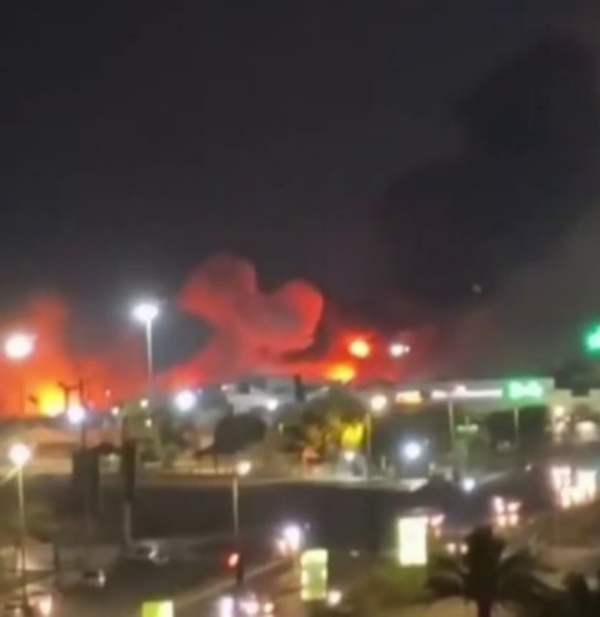
According to multiple international reports, the strikes targeted Iranian military infrastructure, including air defence systems, coastal surveillance installations, surface-to-air missile batteries, anti-ship cruise missile sites, drone launch facilities and port-related assets. Iranian media reported explosions in Bandar Abbas, Sirik and on Qeshm Island, although Iranian authorities have not released an official assessment of the damage.
The latest military action came shortly after Washington revoked a sanctions waiver that had allowed limited Iranian oil exports under the terms of last month's interim memorandum of understanding. The waiver had formed part of broader efforts to reduce hostilities and facilitate negotiations between the two sides.
Iran strongly condemned both the withdrawal of the oil waiver and the subsequent military strikes. Deputy Foreign Minister Kazem Gharibabadi said the United States had violated key provisions of the Islamabad Memorandum of Understanding and warned that Tehran would take decisive actions to safeguard its national interests and national security.
The renewed confrontation has cast fresh uncertainty over ongoing diplomatic efforts aimed at restoring stability in the Gulf region. Negotiations have focused on ensuring the uninterrupted reopening of the Strait of Hormuz, addressing concerns surrounding Iran's nuclear programme and working towards a durable settlement following months of conflict.
The Strait of Hormuz remains one of the world's busiest energy transit routes, carrying a substantial share of global crude oil and liquefied natural gas shipments. Any disruption to maritime traffic through the waterway is closely monitored by governments and financial markets because of its potential impact on global energy supplies and regional security.
Hindusthan Samachar / Jun Sarkar

08 Jul 2026