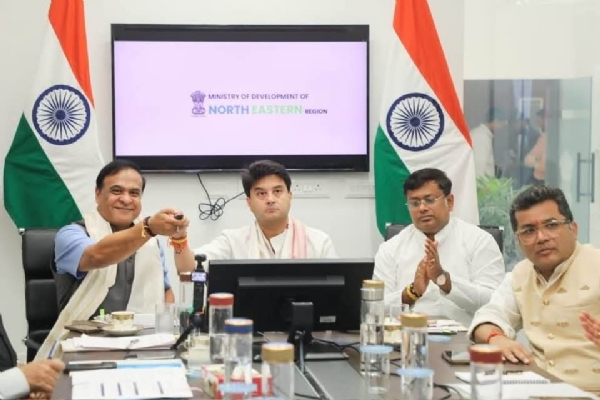
Guwahati, 05 June (HS) : Assam’s centuries-old Muga silk industry is poised for a transformative phase with the launch of Mission Muga Silk “Senehjori”, a ₹411-crore initiative aimed at strengthening production, improving market access, generating large-scale employment and positioning the state’s unique golden silk as a globally recognized luxury textile.
Assam enjoys a unique distinction as the only producer of commercial Muga silk in the world, accounting for nearly 90% of global production. Derived from the semi-domesticated silkworm Antheraea assamensis, Muga silk is renowned for its natural golden sheen, exceptional durability and deep cultural significance in Assamese society. The silk received India’s first Geographical Indication (GI) tag for a silk product in 2007, further enhancing its identity as an exclusive heritage textile.
Employment Generation Across the Value Chain
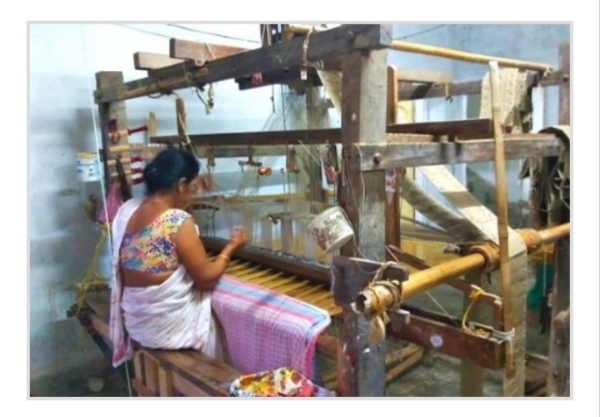
One of the most significant impacts of the Muga silk sector is its contribution to rural employment. Unlike many industries concentrated in urban centres, Muga silk supports livelihoods across multiple stages of production, from host-plant cultivation and silkworm rearing to cocoon processing, reeling, weaving, designing and marketing.
The newly launched Mission Senehjori is expected to directly benefit more than 2.5 lakh to 2.6 lakh weavers, silk rearers, artisans and entrepreneurs across Assam. The project focuses on strengthening employment opportunities in major silk-producing districts such as Jorhat, Sivasagar, Lakhimpur, Dhemaji, Dibrugarh, Tinsukia, Majuli and Sualkuchi.
Experts believe the initiative will create thousands of additional jobs through the establishment of five modern reeling units, a dedicated Muga spun silk mill in Dhemaji and expanded plantation activities. The regeneration of 5,000 hectares of Som and Soalu host plants is expected to generate substantial seasonal and long-term employment, particularly in rural and riverine areas where alternative livelihood options are limited.
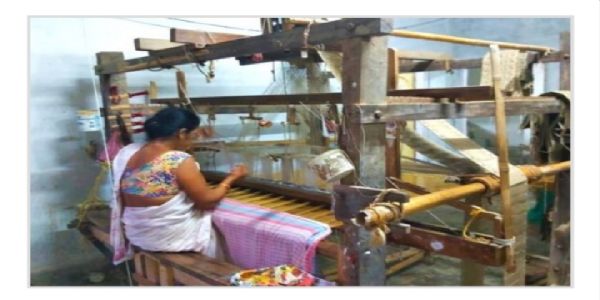
Women are expected to remain the backbone of the industry. A large proportion of Assam’s traditional weaving workforce consists of women who operate looms from their homes or community weaving centres. Increased investment and market access could significantly enhance their income and economic participation.
Strengthening Assam’s Economy
The Muga silk industry occupies a strategic place in Assam’s economy by linking agriculture, handicrafts, textiles and tourism. Every stage of production adds value within the state, ensuring that income circulates through local communities rather than being transferred outside the region.
Mission Senehjori aims to double farmers’ incomes while substantially increasing the commercial value of Muga yarn. The initiative targets a value realization of ₹30,000 to ₹45,000 per kilogram of Muga yarn, reflecting the premium status of the product in luxury textile markets.
The formation of 1,180 Farmer Interest Groups (FIGs) and 30 Farmer Producer Organisations (FPOs) is expected to improve collective bargaining power, streamline supply chains and strengthen market linkages. These institutional mechanisms can help small producers access better prices, credit facilities and technical support.
In addition, the mission seeks to expand Muga silk exports beyond traditional markets. By targeting more than 2,000 kilograms of exports and improving international branding, Assam could witness increased foreign exchange earnings while enhancing the global visibility of its indigenous products.
The project also supports value-added manufacturing, encouraging the production of premium garments, fashion accessories, home décor products and luxury textiles that command significantly higher market prices than raw silk alone.
Global Cultural Exposure and Soft Power
Beyond economics, Muga silk serves as a powerful cultural ambassador for Assam and India. The golden silk has been woven into Assamese identity for centuries and remains an integral part of traditional attire such as the Mekhela Chador, ceremonial garments and cultural celebrations.
As international consumers increasingly seek authentic, sustainable and heritage-based luxury products, Muga silk offers a unique story rooted in biodiversity, craftsmanship and tradition. The introduction of QR-code-based digital traceability under Mission Senehjori will allow buyers worldwide to verify the authenticity and origin of genuine Assam Muga silk, enhancing consumer trust and protecting the GI-tagged product from imitation.
The planned Muga Design Innovation Lab, to be developed in collaboration with premier institutions such as the National Institute of Design (NID) and the National Institute of Fashion Technology (NIFT), is expected to bridge traditional craftsmanship with contemporary global fashion trends. This could open new opportunities in international fashion houses, luxury boutiques and designer collections.
Industry observers note that increased global exposure of Muga silk can boost cultural tourism in Assam, drawing visitors interested in traditional weaving practices, heritage villages and textile experiences. Centres such as Sualkuchi, often called the “Manchester of the East,” could emerge as major cultural and craft tourism destinations.
Preserving Heritage Through Modernization
The significance of Mission Senehjori lies in its attempt to balance tradition with technology. While preserving centuries-old weaving practices, the project introduces modern infrastructure, digital authentication systems, organized producer networks and innovation-driven product development.
For Assam, the initiative represents more than an industrial development programme. It is an effort to safeguard a globally unique heritage resource while creating sustainable livelihoods, boosting exports and strengthening the state's cultural footprint on the world stage.
With Assam maintaining a near-monopoly over the production of the world’s only naturally golden silk, Mission Senehjori has the potential to transform Muga silk from a cherished regional tradition into a globally celebrated symbol of luxury, sustainability and Assamese identity. -----------
Hindusthan Samachar / Sriprakash


05 Jun 2026