Washington DC, 19 June (H.S.):
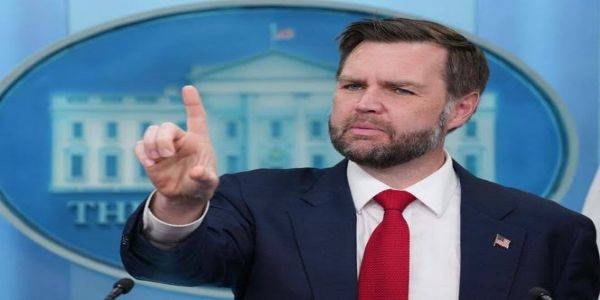
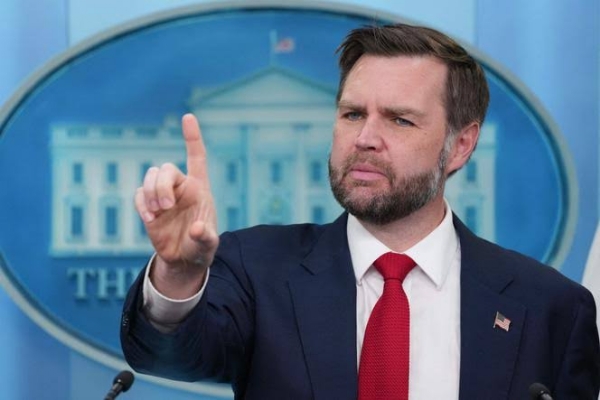
US Vice President JD Vance on Thursday sharply criticised members of Israel's government for opposing the United States' interim agreement with Iran, saying Israeli leaders should recognise Washington's unwavering support instead of attacking their closest ally.
Speaking during a White House briefing, Vance said the United States has remained Israel's strongest international partner throughout the recent conflict with Iran, providing extensive military and diplomatic backing. He argued that criticism of the agreement by some Israeli officials overlooked the scale of American assistance during the war.
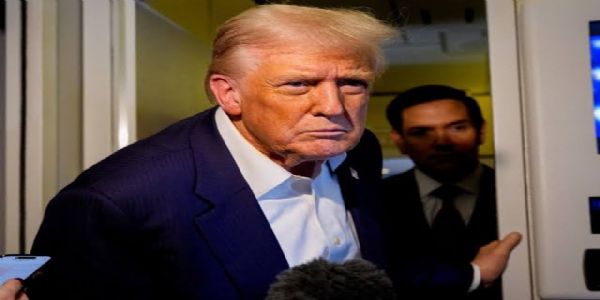
Vance stressed that President Donald Trump has consistently supported Israel and played a key role in protecting its security interests. He warned that Israeli leaders should carefully consider the country's international position before publicly criticising the US administration.
The problem for Israel is not President Trump, Vance said, adding that those who believe otherwise need to wake up and smell the reality of the situation facing their country.
His remarks highlighted growing differences between Washington and sections of Israel's leadership following the ceasefire framework reached with Iran earlier this week. The agreement, brokered after weeks of conflict, is intended to halt hostilities and open the door for broader negotiations on Iran's nuclear programme and regional security.
Although Israeli Prime Minister Benjamin Netanyahu has avoided directly criticising the agreement, several members of his coalition government have expressed strong reservations. National Security Minister Itamar Ben-Gvir said Israel is not obligated to follow the US-backed arrangement and insisted the country would continue acting to safeguard its national security.
Vance defended the Trump administration's approach, noting that the United States supplied a significant share of the defensive military equipment used by Israel during the conflict. He argued that continued cooperation between the two allies remains essential despite policy differences over how to manage relations with Iran.
Tensions between Washington and Jerusalem have become more visible in recent weeks, with President Trump favouring diplomatic efforts to prevent a prolonged regional war while some Israeli officials have advocated maintaining military pressure on Iran.
Following the ceasefire announcement, Netanyahu reaffirmed the importance of the US-Israel partnership and expressed appreciation for American support during the conflict. However, he also said Israel would continue taking the steps it considers necessary to protect its national security, particularly along its northern border.
The exchange underscores the complex balance facing both governments as they seek to preserve their long-standing alliance while navigating differing strategies on regional security and the future of the Iran agreement.
---------------
Hindusthan Samachar / Jun Sarkar

19 Jun 2026