Tehran, 19 June (H.S.):
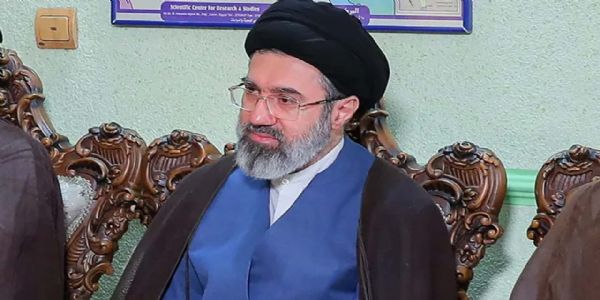
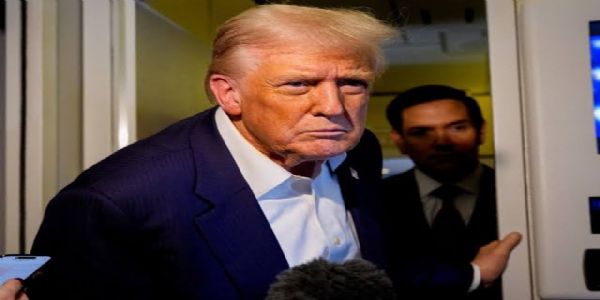
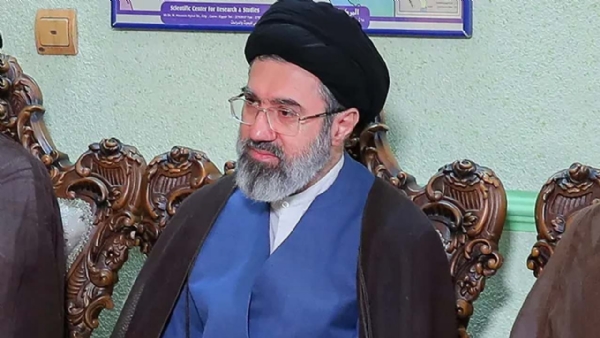
Iran's Supreme Leader Mojtaba Khamenei on Thursday claimed that US President Donald Trump aggressively pursued a peace agreement with Tehran, saying the American leader relied on all kinds of leverage to secure a deal aimed at ending months of military confrontation.
In his first public address since the memorandum of understanding was signed, Khamenei said he had initially opposed the agreement but eventually approved it after receiving assurances from Iranian President Masoud Pezeshkian and the country's Supreme National Security Council that Iran's national interests and regional allies would be protected.
The remarks came a day after Washington and Tehran formally endorsed a framework designed to end the conflict and launch negotiations on broader issues, including regional security, maritime stability and Iran's nuclear programme.
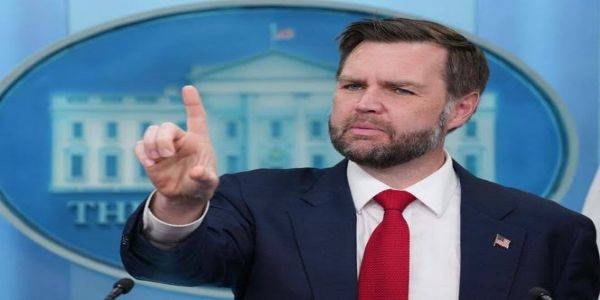
As part of the initial implementation of the agreement, the United States began easing military restrictions around the Strait of Hormuz, one of the world's most important oil shipping routes. US Vice President JD Vance said on Thursday that American naval forces had allowed commercial vessels to resume normal movement through the strategic waterway, marking an early confidence-building measure under the accord.
According to Vance, global oil shipments through the Strait of Hormuz have resumed, with millions of barrels of crude oil passing through the route following the agreement. He said the United States was fulfilling its commitments under the military provisions of the deal while continuing diplomatic engagement with Iran.
The vice president also announced plans to travel to Switzerland for discussions on implementing the agreement, including measures to address Iran's enriched uranium stockpile and ensure the uninterrupted flow of international energy supplies. No official date for the visit has been announced.
Shipping activity has also begun returning to normal. Maritime industry data indicated that several international commercial vessels successfully transited the Strait of Hormuz after months of disruption caused by the conflict. Industry experts described the development as an important step towards restoring stability in one of the world's busiest energy corridors.
Iranian state media reported that operations at the country's southern ports had largely returned to normal, while emphasising that Iranian authorities continue to oversee security in the Strait of Hormuz and coordinate maritime traffic.
Despite the progress, the agreement continues to face political scrutiny in both Washington and the Middle East. While supporters argue that the framework reduces the risk of further conflict and protects global energy markets, critics remain concerned about its long-term impact on regional security and Iran's nuclear ambitions.
Officials from both countries are expected to continue negotiations in the coming weeks as they work towards a broader and more comprehensive peace agreement.
---------------
Hindusthan Samachar / Jun Sarkar
19 Jun 2026