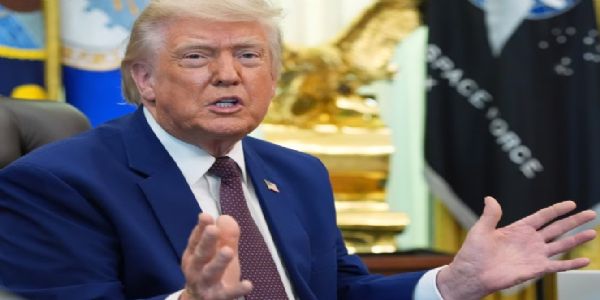
WASHINGTON/TEHRAN, 12 June (HS): U.S. President Donald Trump on Thursday claimed that significant progress had been made toward a peace agreement with Iran and announced the suspension of planned military strikes against the Islamic Republic. However, Iranian officials and state-affiliated media maintained that no final agreement has yet been approved, highlighting continuing uncertainty over efforts to end months of conflict in the Middle East.
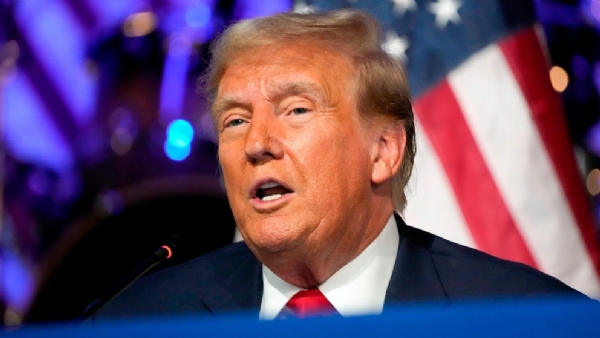
Speaking at the White House and later posting on his Truth Social platform, Trump said discussions with Iran had reached the highest levels of the country's leadership and that a draft framework had received broad approval. He stated that, based on the progress achieved in negotiations, he had cancelled military strikes and bombing operations that had been scheduled against Iran.
According to Trump, the proposed arrangement includes extending the ceasefire, reopening the strategically important Strait of Hormuz to international shipping, and launching a 60-day period of negotiations focused on Iran's nuclear programme. He suggested that a formal agreement could be signed within days, potentially during diplomatic engagements in Europe over the weekend.
The U.S. president also claimed that key elements of a memorandum of understanding had been agreed upon in principle by several countries involved in regional diplomacy, including the United States, Israel, Saudi Arabia, the United Arab Emirates, Qatar, Türkiye, Pakistan, Bahrain, Kuwait, Jordan and Egypt.
Despite the optimistic tone from Washington, Iran offered a far more cautious assessment. Iranian media outlets reported that no final text of an agreement had been approved by Tehran. Sources close to the Iranian negotiating team stated that discussions remain ongoing and that several issues still require resolution before any formal commitment can be made.
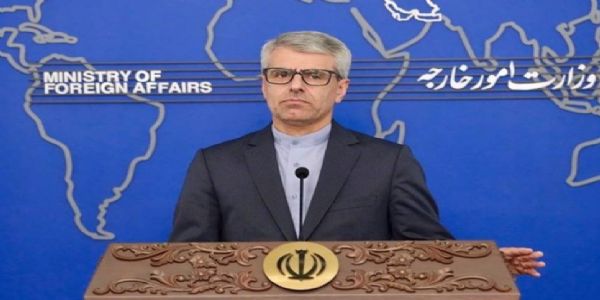
Iranian Foreign Ministry spokesperson Esmail Baghaei said that while much of the draft text had been discussed, a final decision had not yet been reached. He noted that differences remained and emphasized that Iran would not compromise on what it considers its core national interests and red lines.
At the same time, some Iranian reports indicated that recent discussions had narrowed gaps between the two sides and that Tehran could reconsider the latest proposal if certain conditions are met. Officials suggested that negotiations had made progress on issues such as the release of frozen Iranian assets, arrangements concerning navigation through the Strait of Hormuz, and the structure of future nuclear talks.
Behind the scenes, diplomatic efforts reportedly intensified on Wednesday, with mediators from Qatar facilitating discussions between American and Iranian representatives. Sources familiar with the talks said negotiators worked late into the night to bridge remaining differences and develop a mutually acceptable framework.
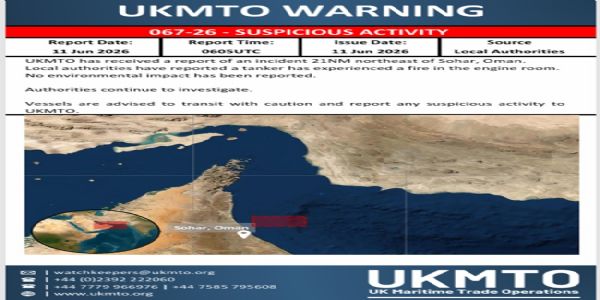
The conflict between the United States and Iran, which erupted earlier this year and destabilized large parts of the Middle East, has raised concerns about regional security, global energy supplies and international shipping routes. The Strait of Hormuz, through which a significant share of the world's oil shipments passes, remains a focal point of the negotiations.
Trump said U.S. naval restrictions in the region would remain in place until a final agreement is signed and implemented. He reiterated that any long-term settlement must include guarantees that Iran will not develop nuclear weapons.
While both sides appear to acknowledge progress in negotiations, the differing public statements from Washington and Tehran underscore that significant diplomatic hurdles remain before a comprehensive agreement can be finalized. The coming days are expected to be crucial in determining whether the latest round of talks can produce a durable breakthrough and reduce tensions across the region.
---------------
Hindusthan Samachar / Jun Sarkar
12 Jun 2026
Iran Accuses US of “State Piracy” After Deadly Attack on Commercial Vessel Carrying Indian Crew
12 Jun 2026