Chennai , 01 June (H.S.):
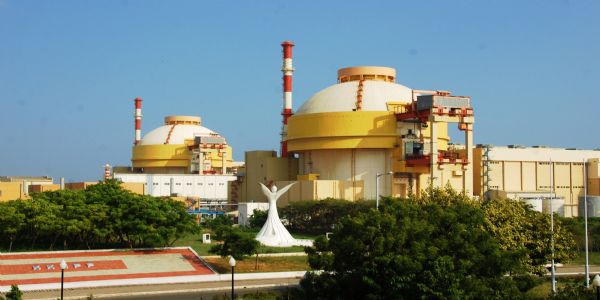
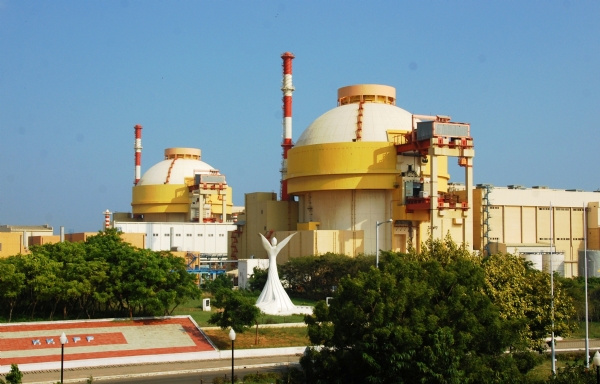
The Koodankulam Nuclear Power Plant (KKNPP) in Tamil Nadu’s Tirunelveli district has emerged as a cornerstone of the state’s energy infrastructure, playing a pivotal role in ensuring a reliable power supply for industries, agriculture, businesses, and households while contributing to India’s clean energy transition.
Developed by the Nuclear Power Corporation of India Limited (NPCIL) in collaboration with Russia’s Atomstroyexport, Koodankulam is the largest nuclear power generation complex in India. The facility currently operates two 1,000-megawatt reactors with a combined installed capacity of 2,000 MW.
A significant portion of the electricity generated is allocated to Tamil Nadu, helping the state meet its growing energy requirements.
The plant’s importance has increased steadily as Tamil Nadu’s power demand continues to rise due to rapid industrial growth, urbanisation, and expanding infrastructure. Unlike solar and wind energy, which are dependent on weather conditions, nuclear power provides uninterrupted base-load electricity around the clock, ensuring greater stability and reliability for the power grid.
Tamil Nadu’s economy is heavily dependent on energy-intensive sectors such as automobile manufacturing, textiles, information technology, electronics, engineering, and heavy industries. The electricity generated by Koodankulam has helped reduce reliance on conventional thermal power plants, lowered pressure on fossil fuel-based generation, and strengthened the state’s ability to meet peak demand periods.
Officials note that Tamil Nadu receives the largest share of power produced at the station, significantly enhancing the state’s energy security. The plant also plays a crucial role in maintaining the stability of the Southern Grid by supplying continuous electricity that is unaffected by seasonal fluctuations.
The significance of Koodankulam is expected to grow substantially in the coming years. Four additional reactors—Units 3, 4, 5, and 6—are currently under various stages of construction. Once completed, the plant’s total installed capacity will increase to 6,000 MW, making it one of the largest nuclear power complexes in Asia.
Experts believe the expansion will considerably boost India’s clean energy capacity and support national efforts to reduce carbon emissions. Since nuclear power generation produces virtually no greenhouse gas emissions during electricity production, it is regarded as an important component of India’s long-term strategy for achieving energy security while addressing climate change challenges.
Beyond power generation, the Koodankulam project has contributed significantly to the socio-economic development of southern Tamil Nadu. Investments in infrastructure, employment creation, growth of ancillary industries, and improved connectivity have transformed the surrounding region over the past decade.
The project has also strengthened India’s indigenous nuclear energy capabilities and reinforced strategic cooperation between India and Russia in the field of civilian nuclear power.
With electricity consumption in Tamil Nadu continuing to grow, energy planners view Koodankulam as a vital long-term asset that will help ensure reliable, affordable, and environmentally sustainable power for decades to come. As additional reactors become operational, the nuclear power station is expected to play an even greater role in supporting the state’s economic growth, industrial competitiveness, and clean energy ambitions.
---------------
Hindusthan Samachar / Arun Lakshman

01 Jun 2026
Kerala students to take cyber safety pledge today as schools reopen
Kerala students to take cyber safety pledge today as schools reopen..