Washington, 07 May (H.S.): US President Donald Trump has stated that a potential agreement with Iran is “very possible” following a fresh round of indirect negotiations mediated by Pakistan, even as Washington maintains a hard line through military and economic pressure.
Trump’s Stance on Iran Talks
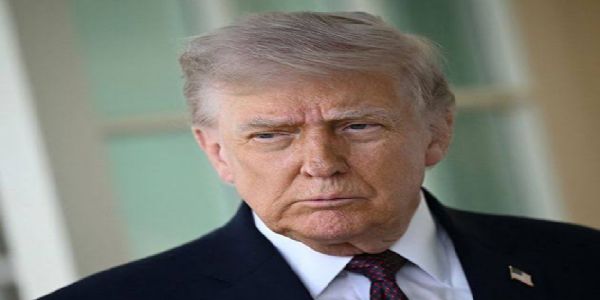
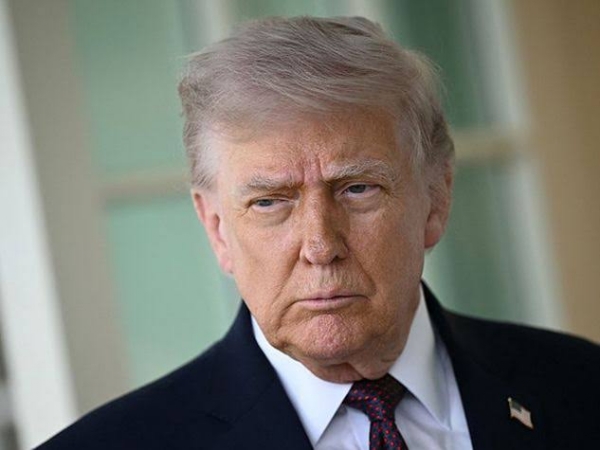
In remarks to reporters on Wednesday, Trump said that Washington and Tehran had “very good talks over the last 24 hours,” indicating that both sides are exploring a framework to end hostilities in the Persian Gulf. Speaking from the Oval Office, he emphasized that a deal would only be possible if Iran “agrees to give what has been agreed to,” warning that US airstrikes would resume “at a much higher level and intensity” if negotiations collapse.
The president’s tone echoes earlier veiled ultimatums, but his latest comments suggest a strategic recalibration aimed at ending a conflict that has rattled global energy markets and strained European and Gulf allies. Trump has repeatedly framed the talks as a test of Iran’s willingness to abandon what he describes as “nuclear blackmail” and accept stringent US‑led verification measures.
Despite the hopeful rhetoric, the US naval blockade of Iranian ports remains in place, with American warships enforcing a de facto halt to Tehran’s oil exports while Washington pressures European allies to align with sanctions. The Pentagon has confirmed that US Navy aircraft disabled the rudder of an Iranian‑linked oil tanker attempting to breach the blockade, underscoring Washington’s readiness to use force to maintain leverage.
Trump has also paused his short‑lived “Project Freedom” operation aimed at reopening the Strait of Hormuz, citing the prospect of a negotiated settlement. However he has made clear that any resumption of unrestricted shipping through the strategic waterway depends on Iran dropping its chokehold on regional trade and accepting a US‑backed security framework.
Iranian officials have been cautious in their public response. Foreign ministry spokesman Esmaeil Baqaei told local media that the latest US proposal remains under review, with Tehran preparing to convey its position to Islamabad, the primary mediator. Iran’s parliament speaker, Mohammad Bagher Ghalibaf, warned that Washington seeks to exploit the blockade and economic sanctions to force Tehran into what he called “surrender,” accusing the US of deploying “media manipulation” to divide Iranian society.
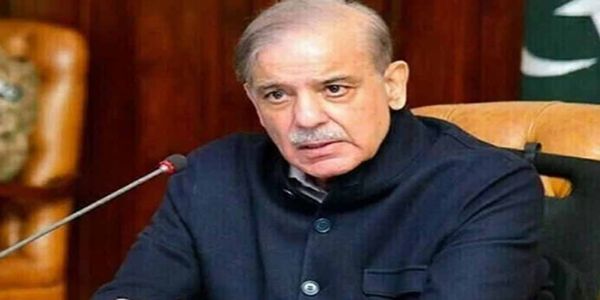
Pakistan’s Prime Minister Shehbaz Sharif has expressed cautious optimism, stating that the current momentum could produce “a lasting agreement that secures durable peace and stability for the region.” Pakistani diplomats have been shuttling between Washington and Tehran while coordinating with Gulf partners, China, and the United Nations to avoid a wider regional conflict.
The talks have also drawn in other major powers. Iran’s top diplomat Abbas Araghchi met Chinese counterpart Wang Yi in Beijing, where the two reviewed the ongoing negotiations and discussed a post‑war security architecture in the Persian Gulf. Wang reiterated Beijing’s call for an immediate end to hostilities and for both sides to reopen the Strait of Hormuz “as soon as possible,” reflecting China’s heavy dependence on steady Gulf oil flows.
On the financial front, investors have reacted positively to Trump’s more conciliatory tone and the temporary pause of military operations around Hormuz. International crude benchmarks Brent and West Texas Intermediate both fell below 100 dollars a barrel as markets bet on a de‑escalation, while global equity indices rebounded on the prospect of lower energy‑related risks.
At home, Trump appears to be balancing his traditional “maximum pressure” strategy with the need to show a tangible foreign‑policy breakthrough before the 2026 midterm elections. His administration has already faced criticism for the economic toll of prolonged conflict, including higher fuel prices and disruptions to US trade with Gulf partners.
Recent polling from major US outlets indicates growing unease among independent and even some former Republican voters over the president’s handling of foreign crises, increasing the political incentive for a deal that could be presented as a win without appearing to concede to Tehran.
As of late Wednesday, a formal agreement remains elusive, but senior officials on both sides have privately told international media that a one‑page memorandum of understanding to end hostilities and set the stage for more detailed nuclear negotiations is under active discussion. Whether Trump and Iran’s leadership can bridge remaining gaps over verification, sanctions relief, and regional security arrangements will determine whether his vow of “very possible” progress translates into a durable peace or another cycle of escalation.
Hindusthan Samachar / Jun Sarkar