New Delhi, 03 May (H.S.):
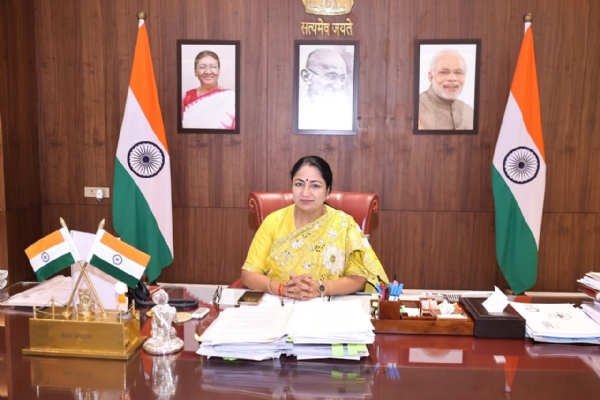
Chief Minister Rekha Gupta has announced that the Delhi government is introducing a new, time‑bound, and structured system for the disposal of traffic challans, aimed at increasing accountability and improving road safety. She said that henceforth, there will be no tolerance for carelessness and rule‑breaking on the city’s roads, and avoiding traffic challans will no longer be possible. Under the new framework, citizens will be required to resolve challans within a fixed period, marking a significant step toward greater discipline, enhanced road safety, and transparent digital governance.
According to the revised rules, challans cannot be directly challenged in court without first exhausting the administrative redressal process.
In a press release issued on Sunday, the Delhi government stated that it is preparing to implement amendments to the Central Motor Vehicles Rules, 1989, notified by the Central government. The entire challan procedure will now be made tighter, more transparent, and fully digital. Under the new system, any person who commits five or more traffic violations within a year will be classified as a serious offender.
The amended rules specify that if an individual accrues five or more traffic violations in a 12‑month period, this will serve as grounds for the suspension or disqualification of their driving licence.
The Chief Minister explained that the challan‑issuance process will now be fully modernised. Police officers or authorised personnel will be able to issue challans in both physical and electronic formats. In addition, electronic surveillance systems, including cameras and digital monitoring, will be able to generate challans automatically. For those whose challans are issued and whose mobile numbers are on record with the department, e‑challans will be sent within three days and physical notices within 15 days. All challan records will be logged serially on a central online portal, ensuring complete transparency.
The government has advised all vehicle owners whose mobile numbers and residential addresses are not updated in the vehicle registration and driving‑licence databases to rectify their details immediately, lest they face difficulties in receiving notices and challans.
The Chief Minister said that, after receiving a challan, individuals will have 45 days to either pay the fine or challenge it before a grievance‑redressal officer through the online portal, submitting documentary evidence in support. If no action is taken within 45 days, the challan will be deemed accepted, and the person will be required to pay the fine within the next 30 days.
If a challenge is rejected by the authority, the individual will have two options: either pay the challan within 30 days or deposit 50 per cent of the challan amount and take the matter to court. If the person fails to act within the stipulated period, the challan will again be treated as accepted, and the full amount will have to be paid within 15 days thereafter. All payments can be made through electronic channels.
The grievance‑redressal officer will be mandated to upload their decision on the portal within 30 days of the hearing.
Rekha Gupta further clarified that, beyond the deadline, daily electronic reminders will be sent through SMS, email, or other digital means. If challans remain unpaid, the concerned individual will be barred from accessing all vehicle‑related services, including the payment of road tax and the renewal or issuance of driving licences and vehicle registrations.
The vehicle will be tagged as “Not to be Transacted” on the official portal, effectively blocking any further transactions or registrations until the dues are cleared.
The Chief Minister added that, where necessary, and under court orders, police or authorised officials may also impound the vehicle of a repeat offender.
Moreover, all challans will now be issued in the name of the registered vehicle owner, and the person will be notified of the offence via SMS, email, or other official communication channels. She stressed that the new system is completely digital, time‑bound, and accountability‑driven, and will not only ensure better compliance with traffic rules but also help reduce road accidents. She appealed to Delhi residents to follow traffic norms, resolve challans promptly, and become safe and responsible citizens.
---------------
Hindusthan Samachar / Jun Sarkar
03 May 2026
IUML writes to PM seeking centre to bear ₹10,000 additional Hajj cost
IUML writes to PM seeking centre to bear ₹10,000 additional Hajj cost..
03 May 2026