Beirut, 03 May (H.S.): Amid an officially declared military truce in place since April 16, Israel has intensified its attacks on Lebanon, launching a fresh wave of airstrikes in the south. In the last 24 hours alone, Israeli forces have reportedly conducted around 50 air raids in southern Lebanon, killing at least 41 people. Since the start of the conflict, Israeli strikes in Lebanon have claimed more than 2,000 lives, according to local reports. Israeli drones currently continue to hover over the Lebanese skies, keeping the whole country on high alert.
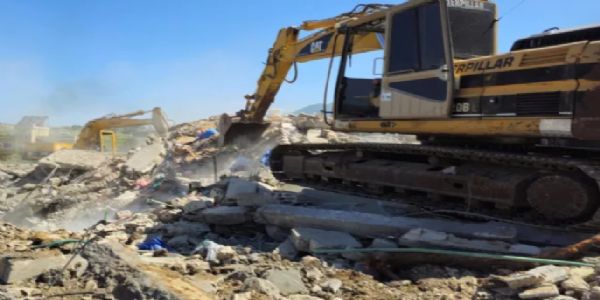
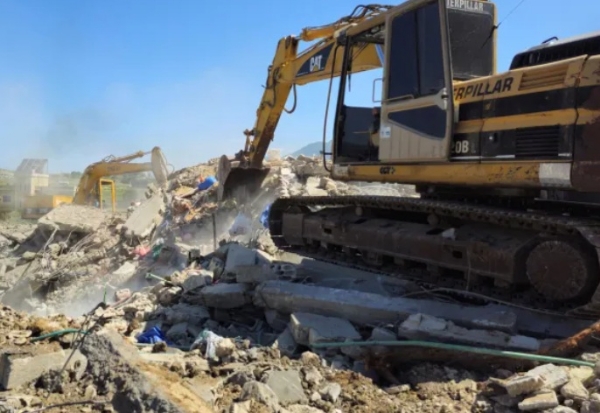
According to Al Jazeera, Israeli military activity in southern Lebanon has sharply escalated. Since Saturday evening, Israeli warplanes have been bombing large parts of the region, with powerful explosions reported in several towns on Sunday morning. The situation remains extremely tense. Drones are now flying over southern Lebanon, and heavy bombing has caused widespread destruction in the town of Chiyah. A strong blast also hit the town of Ar‑Rayhan in the Al‑Tuffah district. Amid the worsening conditions, residents of southern Lebanon are fleeing their homes with children and other family members, seeking safer areas. The entire southern region has been under bombardment for the past 24 hours.
Lebanon and Israel have a long‑standing history of conflict. In 1948, Lebanon joined other Arab states in opposing the creation of the State of Israel. Since then, the two countries have never concluded a formal peace agreement. In the 1970s, the Palestine Liberation Organization (PLO) used southern Lebanon as a base to launch attacks on Israel. In response, Israel launched Operation Litani in 1978 and invaded southern Lebanon.
The first Lebanon War began in 1982, when Israel launched a large‑scale invasion to fully expel the PLO from Lebanon. Israeli troops advanced as far as Beirut. During this period, the Iran‑backed militant group Hezbollah emerged as a major force opposing Israel. In 2000, Israel withdrew its forces from the occupied areas of southern Lebanon, but tensions persisted over disputed territories such as Shebaa Farms.
In 2006, Hezbollah kidnapped two Israeli soldiers, triggering a 34‑day war. The conflict ended with a ceasefire under UN Security Council Resolution 1701. In October 2023, Hezbollah began firing rockets into northern Israel in support of Hamas, prompting Israel to intensify airstrikes and limited ground operations inside Lebanon.
By late 2024, Israel had launched large‑scale attacks on Hezbollah positions in southern Lebanon. Earlier this year, in April, a short‑lived ceasefire was brokered between Israel and Lebanon under U.S. mediation. Israel continues to regard Hezbollah’s presence in southern Lebanon as an existential threat and seeks its full disarmament.
Israeli forces are therefore maintaining a sustained campaign of attacks on Hezbollah targets in the region.
---------------
Hindusthan Samachar / Jun Sarkar