Kampala (Uganda), 28 May (H.S.): Uganda ordered the immediate and temporary closure of its border with the Democratic Republic of Congo on Wednesday, a bold public-health measure taken as suspected cases of a rare Ebola strain surge across the eastern Congolese border and confirmed infections take root within Ugandan soil.
The decision, enacted with immediate effect, comes after Ugandan health workers were exposed to the Bundibugyo virus by Congolese patients who crossed into Uganda before eastern Congo officially declared the outbreak on May 15 . The move defies guidance from the World Health Organization, which has discouraged border closures despite acknowledging that neighboring countries face high contagion risk.
Dr. Diana Atwine, permanent secretary at Uganda's Ministry of Health, announced that border crossings will now be authorized only for emergency cases—including outbreak response operations, humanitarian missions, cargo transport, and security-related movements. Anyone entering Uganda from Congo under emergency circumstances will face mandatory isolation for 21 days, the incubation period for Ebola.
The border closure was decided by a local Ugandan task force after health workers contracted the virus from Congolese patients who had entered the country prior to the outbreak declaration.
Uganda has now confirmed seven Ebola cases, including the country's first death—a 59-year-old Congolese man who died in Kampala on May 14, three days after admission.
Bundibugyo: A Rare Strain With No Approved Vaccines or Treatments
The outbreak is caused by the Bundibugyo virus, a rare Ebola subtype first identified in Uganda's Bundibugyo district in 2007–2008, when it infected 149 people and killed 37 . Unlike more common Ebola strains, Bundibugyo has no approved medicines or vaccines, making containment significantly more challenging .
The virus spreads through close contact with bodily fluids of sick or deceased patients, with healthcare workers and family caregivers facing the highest infection risk . The disease typically manifests as hemorrhagic fever, and tracing and isolating contacts remains critical to stopping transmission .
Congo Struggles to Contain Outbreak as Cases Approach 1,000
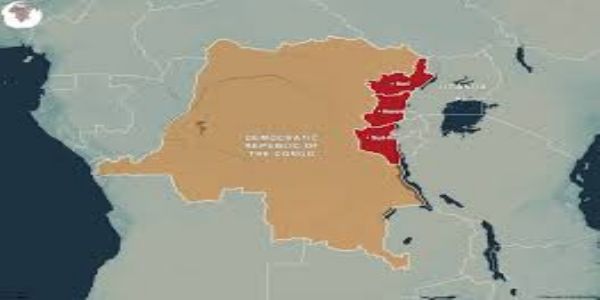
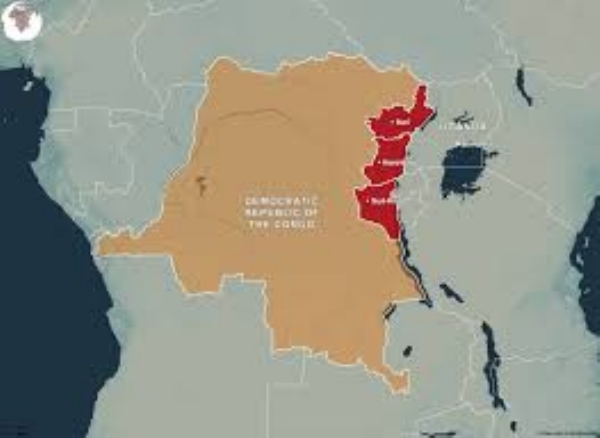
In eastern Congo, suspected cases are nearing 1,000, with at least 220 suspected deaths . The Congolese health ministry confirmed 101 cases on Tuesday and is tracking over 3,000 possible contacts . As of May 21, the WHO reported 746 suspected cases—including 176 deaths—and 85 laboratory-confirmed cases in the DRC .
On Wednesday, Congolese authorities announced that the first person to recover from the Bundibugyo virus was discharged from a treatment center in Rwampara, one of the towns in eastern Congo at the outbreak's epicenter .
The WHO declared the outbreak a Public Health Emergency of International Concern (PHEIC) on May 16, 2026 . However, Congolese health authorities are struggling to contain the outbreak, which the WHO says is outpacing them due to delayed laboratory testing, armed-group threats, massive displacement, and poor infrastructure .
WHO Warns Border Closures Could Backfire
The UN health agency has explicitly discouraged border closures with Congo, warning that such measures push the movement of people and goods to informal border crossings that are not monitored, thus increasing the chances of the spread of disease . The Uganda-Congo border stretches several hundred miles and is crossed by numerous footpaths beyond formal posts, with many people traveling daily for trade or family visits.
WHO Director-General Tedros Adhanom Ghebreyesus called Wednesday for a ceasefire in eastern Congo to allow safe access for responders, stating on social media that attacks on health facilities make tracking cases and their contacts nearly impossible .
Health Workers Underprepared, Clinics Attacked
Responders in Congo report being underprepared and under-protected, while conflict-traumatized residents—long wary of outsiders—have attacked clinics and hurled stones and abuse at volunteers raising awareness about the virus . Aid groups fighting the outbreak say they lack essential equipment, including face shields, protective suits, testing kits, and body bags needed for safe burials .
Aid cuts last year by the United States and other wealthy nations have devastated eastern Congo's response capacity, compounding the region's unique challenges .
While Uganda's Ebola case load is not spiking, the number of locals exposed via health workers has been rising. They have families, and so the number has been increasing, Dr. Atwine said of the infected health workers .
Atwine also expressed dismay at some Ugandans forming crowds to celebrate Arsenal's British Premier League championship, urging people to remain vigilant, avoid shaking hands, and use sanitizer.
International Response: U.S. Plans Ebola Treatment Facility in Kenya
The Trump administration announced Wednesday that it plans to send Americans exposed to Ebola to a new facility in Kenya instead of flying them to the United States . The CDC has flagged the outbreak, noting that as of May 16, 246 suspected cases and 80 deaths had been reported in the DRC.
Infected individuals or those who have been in contact should not undertake international travel unless it's a medical evacuation, the WHO has advised.
Congo's Ebola History, Regional Risk
Congo has experienced 17 Ebola outbreaks, the most of any country . Eight countries in the region are now considered at high risk of contagion, and the WHO African Region continues monitoring cross-border transmission closely.
Hindusthan Samachar / Jun Sarkar