Tehran/Washington, May 28 (H.S.): Tensions around the Strait of Hormuz have sharply escalated amid ongoing peace negotiations between Iran and the United States, pushing the situation into a serious phase. Reports claim that during the night of May 27–28, the naval wing of the Islamic Revolutionary Guard Corps (IRGC) opened fire on an American tanker attempting to pass through the Strait of Hormuz after allegedly switching off its radar systems.
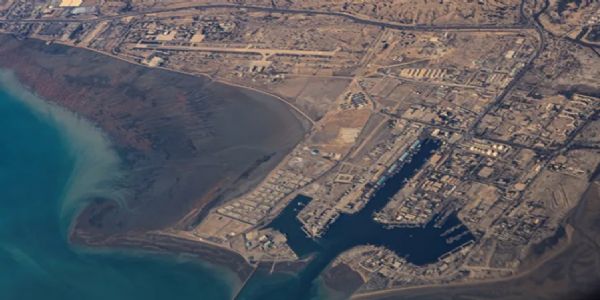
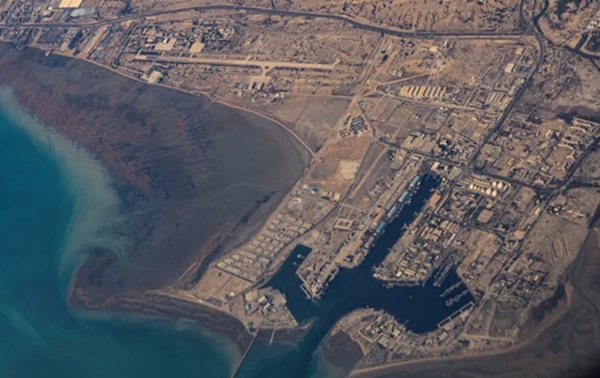
In response, the United States reportedly carried out firing operations near Iran’s Bandar Abbas region. Bandar Abbas is southern Iran’s principal port city and is strategically located along the Strait of Hormuz.
According to reports by Al Jazeera, Tasnim, ABC News, and CBS News, Iran has not yet issued any official statement regarding the explosions near Bandar Abbas. U.S. officials said the developments pose a challenge to the temporary ceasefire currently in place between the two countries. Officials described the strikes as defensive actions.
American authorities stated that four Iranian drones were shot down during the operation. They further claimed that an underground control station in the port city of Bandar Abbas was targeted, where preparations were reportedly underway to launch a fifth drone.
These attacks came just two days after what the United States described as retaliatory self-defence strikes in southern Iran. Two days earlier, missile launch sites and Iranian boats had reportedly been targeted. At present, the Strait of Hormuz has effectively turned into a conflict zone. Explosions near Bandar Abbas port have triggered panic in the area.
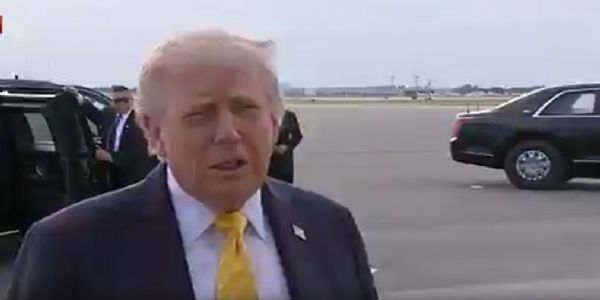
Meanwhile, after returning to the Oval Office, President Donald Trump convened a Cabinet meeting in which the issue of negotiations with Iran reportedly dominated discussions. Trump is facing mounting pressure from both Republicans and Democrats to bring the conflict to an end.
The President said that he wants a “great agreement,” adding that he would not accept any deal that is unsatisfactory or fails to protect American interests.
It may be recalled that President Donald Trump had announced large-scale military action against Iran on February 28. Following that announcement, the United States and Israel jointly carried out extensive strikes targeting military, government, and infrastructure facilities. A two-week ceasefire was subsequently declared.
Initial talks between the United States and Iran held in Pakistan in April failed to produce a peace agreement. Later, Trump announced an indefinite extension of the ceasefire while maintaining the American blockade until negotiations are fully concluded.
---------------
Hindusthan Samachar / Jun Sarkar