By, S P Singh
On 27 May 1971, the quiet villages of Bagbati Union near Sirajganj witnessed one of the darkest episodes of the Bangladesh Liberation War. In the early hours of the morning, armed forces of the Pakistan Army, aided by Al-Badr militias, Razakars, and local collaborators linked to the so-called Peace Committees, descended upon defenseless Bengali Hindu communities. What followed was not merely an act of wartime brutality, but a calculated campaign of ethnic and religious extermination.
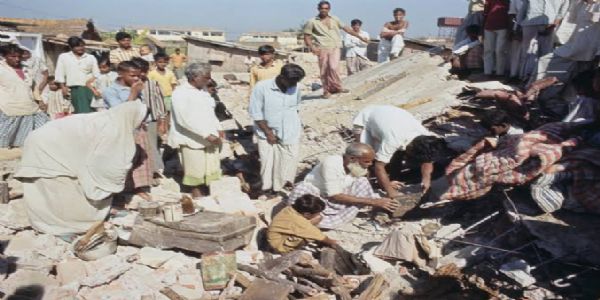
More than 200 unarmed civilians, men, women, and children, were reportedly killed in indiscriminate firing, looting, and arson. Homes were set ablaze, families were torn apart, and entire neighborhoods were reduced to ashes. Survivors later recounted how the attackers surrounded villages before opening fire, ensuring that escape was nearly impossible. The massacre bore all the hallmarks of systematic persecution rather than spontaneous violence.
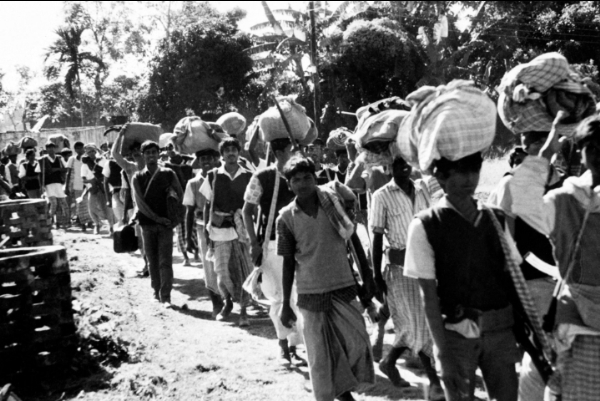
The tragedy of Bagbati must be understood within the broader context of Operation Searchlight, launched by the Pakistani military in March 1971 to suppress the Bengali nationalist movement in East Pakistan. While the campaign targeted political activists, intellectuals, and freedom fighters, Bengali Hindus became particular victims because of their ethnic and religious identity. Across East Pakistan, thousands of Hindu families were hunted, displaced, tortured, or murdered in what many historians and human rights scholars describe as genocidal violence.
Among the most horrifying aspects of the Bagbati massacre was the suffering inflicted upon women. Accounts from survivors and historical documentation indicate that many women were subjected to sexual violence, a weapon widely used during the conflict to terrorize communities and destroy social structures. These crimes left scars that extended far beyond the battlefield, haunting generations long after independence was achieved.
The aftermath of the massacre revealed the full depth of human devastation. Survivors were often forced to bury decomposing bodies in hurried mass graves or dispose of them in wells, without the dignity of proper funerals or religious rites. Fear and trauma silenced many witnesses for years. In countless cases, families never recovered the remains of loved ones.
Yet, despite its magnitude, the Bagbati massacre remains relatively absent from global discussions on twentieth-century atrocities. The events of 1971 in Bangladesh are still insufficiently recognized in international historical consciousness, even though evidence points to widespread and systematic targeting of civilians, particularly Bengali Hindus. Remembering Bagbati is therefore not only about honoring the dead; it is also about resisting historical amnesia.
Today, memorial gatherings and commemorative events held in Bagbati stand as acts of remembrance and resistance. They remind newer generations that the struggle for Bangladesh’s independence was paid for with immense human suffering. These memorials also serve a larger purpose: they preserve historical truth against denial, distortion, or political convenience.
The Bagbati massacre is not merely a local tragedy from a distant war. It is a stark reminder of what happens when hatred, communal division, and state-backed violence converge. In an era when ethnic and religious intolerance continue to threaten societies across the world, the lessons of Bagbati remain painfully relevant.
History cannot restore the lives that were lost on that May morning in 1971. But history can ensure that the victims are neither forgotten nor erased. The memory of Bagbati deserves recognition not only within Bangladesh, but in the global conscience as a symbol of resilience, suffering, and the enduring demand for justice.
Hindusthan Samachar / Satya Prakash Singh
20 May 2026
_202605161337387909.jpg)