




Jerusalem, 25 May (H.S.):
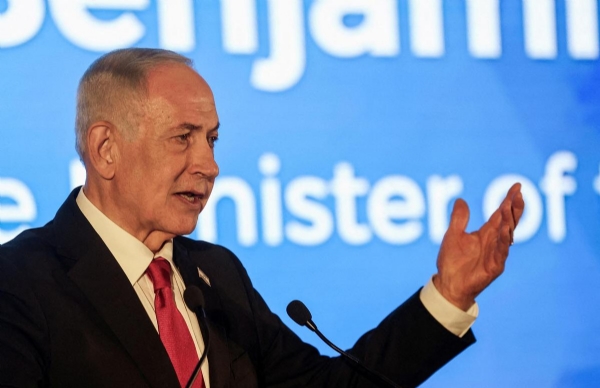
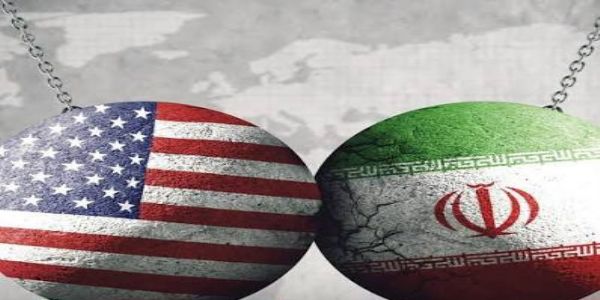
Israeli Prime Minister Benjamin Netanyahu has drawn a hard‑line red‑line on any eventual nuclear agreement between the United States and Iran, declaring that a final deal must fully eliminate what he repeatedly calls the “nuclear danger” emanating from Tehran.
In a statement issued on Sunday, Netanyahu said he and U.S. President Donald Trump had agreed that any accord must require Iran to dismantle its nuclear‑enrichment infrastructure and remove all enriched nuclear material from its territory.
Netanyahu framed the demand as non‑negotiable, insisting that Iran must not be allowed to retain even a latent nuclear‑weapon capability. “President Trump and I agreed that any final agreement with Iran must eliminate the nuclear danger entirely. That means dismantling Iran’s nuclear enrichment sites and removing its enriched nuclear material from its territory,” he wrote in a Telegram post and official statement, echoing earlier remarks from his office.
He added that his policy, as well as Trump’s, remains unchanged: “Iran will not obtain nuclear weapons.”
In prior speeches and public remarks over the past months, Netanyahu has repeatedly pushed Washington to insist on zero enrichment, removal of all enriched uranium, and the destruction of centrifuge infrastructure, rather than simply freezing or rolling back Iran’s programme.
Israeli officials have argued that only the physical dismantling of facilities and the removal of materials from the country can prevent Iran from rapidly “breakout back” to a bomb if political conditions change.
The conversation between Netanyahu and Trump also touched on a broader security equation in the Middle East, including a memorandum of understanding aimed at reopening the Strait of Hormuz, a strategic chokepoint that has been effectively closed since the U.S.‑led military campaign against Iran began in February.
Netanyahu said he expressed appreciation for Trump’s “unwavering commitment” to Israel’s security, referencing joint operations under code names such as “Operation Roaring Lion” and “Epic Fury,” in which American and Israeli forces reportedly coordinated strikes on Iranian targets.
Trump, in his own public comments last week, has portrayed the U.S.‑Iran talks as “largely negotiated,” flagging that Washington is seeking a deal that halts Iran’s push toward nuclear weapons while securing the reopening of key maritime routes.
Even as he has left the door open for a diplomatic outcome, Trump has also warned that failure to agree could trigger further military action—an ambiguity that Netanyahu has actively sought to harden into a more explicit threat.
Beyond the nuclear dossier, Netanyahu underscored that Trump reaffirmed Israel’s right to defend itself on all fronts, explicitly citing Lebanon. That formulation underscores Israeli concerns about Iranian‑backed Hezbollah’s arsenal and the possibility of renewed cross‑border escalation if a deal is struck in Tehran without iron‑clad security guarantees from Washington.
Netanyahu has long argued that any nuclear agreement must be paired with constraints on Iran’s ballistic‑missile programme and its regional proxy networks, positions that have fuelled friction at times with U.S. negotiators who have favoured a more limited, nuclear‑focused accord. His latest statement, however, suggests that on the core question of Iran’s nuclear infrastructure, he believes he has Trump’s backing.
The Netanyahu‑Trump alignment on dismantling Iran’s enrichment capacity sharply raises the bar for any potential deal, moving far beyond the parameters of the 2015 Joint Comprehensive Plan of Action, which allowed Iran to retain limited enrichment under strict monitoring.
Iranian officials have consistently rejected demands for zero enrichment as a violation of their rights under the Nuclear Non‑Proliferation Treaty, and analysts warn that such maximalist conditions could make a final agreement more elusive, even as both Washington and Tel Aviv portray them as a last‑best chance to avert further war.
Hindusthan Samachar / Jun Sarkar

24 May 2026