Washington, 21 May (H.S.):
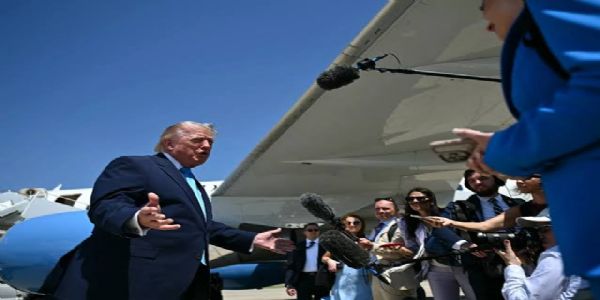
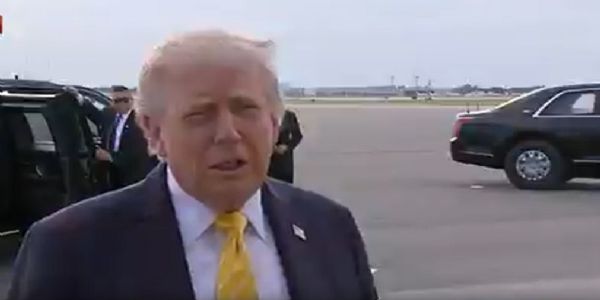
US President Donald Trump on Wednesday described the indictment of former Cuban leader Raul Castro as a “very big moment” in US-Cuba relations, while simultaneously downplaying the possibility of further escalation against the communist island nation.
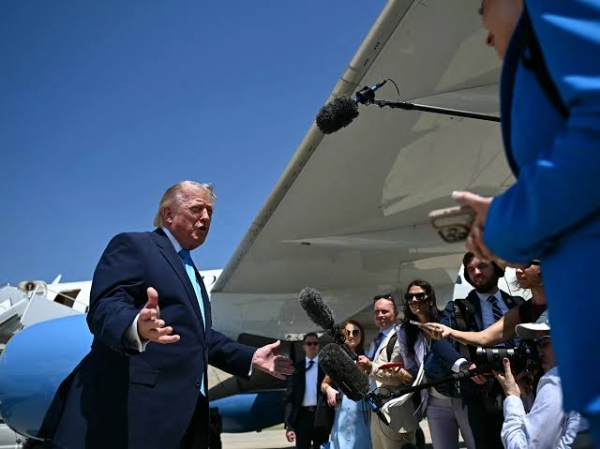
Speaking to reporters at the White House, Trump said the United States did not currently see the need for aggressive action against Cuba despite growing speculation over Washington’s future approach toward Havana.
“I think it was a very big moment,” Trump said while responding to questions regarding the criminal charges filed against the 94-year-old former Cuban president. “There won’t be escalation. I don’t think there needs to be. The place is falling apart. It’s a mess, and they’ve sort of lost control.”
The remarks came shortly after US authorities announced charges against Raul Castro in connection with the 1996 downing of two civilian aircraft operated by the Miami-based humanitarian group Brothers to the Rescue. The incident, which resulted in the deaths of four people, has long remained a major point of tension between Washington and Havana.
The indictment marks one of the most significant legal actions ever initiated by the United States against a former Cuban leader and is expected to deepen diplomatic strains between the two countries.
Although Trump praised the move, his comments suggested that the administration was seeking to avoid a broader geopolitical confrontation in the Caribbean at a time when Washington is already managing multiple international crises, including tensions in the Middle East and growing competition with China and Russia.
The US-Cuba relationship has remained volatile for decades, shaped by economic sanctions, political disputes, migration crises and ideological rivalry dating back to the Cold War era. Washington has maintained a strict economic embargo on Cuba for more than six decades, while successive US administrations have alternated between engagement and pressure tactics.
Trump’s latest comments also come amid renewed international scrutiny of Cuba’s economic and political conditions. The island nation continues to face severe shortages of food, fuel and medicines, alongside recurring power outages and rising public dissatisfaction driven by inflation and economic decline.
Analysts believe the indictment could further isolate Cuba diplomatically, though it is unlikely to immediately alter the balance of power within the country. Raul Castro formally stepped down from leadership roles in recent years, transferring authority to a younger generation of Communist Party officials, but he remains one of the most influential figures in modern Cuban history.
The White House has not announced additional sanctions or military measures related to the indictment. However, political observers say the development may strengthen pressure from anti-Castro groups within the United States, particularly among Cuban-American communities in Florida, who have long demanded tougher action against Havana.
Cuban authorities have not yet issued a detailed response to Trump’s latest remarks, though Havana has historically rejected US legal actions and sanctions as politically motivated interference in its internal affairs.
Despite the heated rhetoric surrounding the indictment, Trump’s remarks appeared aimed at signaling restraint rather than confrontation, emphasizing that Washington currently sees no immediate necessity for direct escalation against Cuba.
---------------
Hindusthan Samachar / Jun Sarkar