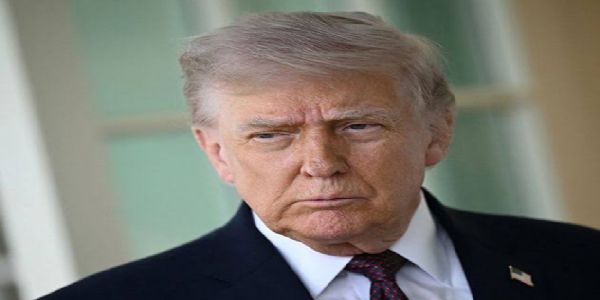
Washington/Boston, 01 May (H.S.): A federal judge in Boston has issued a preliminary injunction against key immigration policies favored by US President Donald Trump, ruling that rules designed to obstruct the processing of green‑card and work‑authorization applications from nationals of 39 travel‑banned countries are discriminatory and unlawful.
On Thursday, US District Judge Julia Kobick determined that the Department of Homeland Security’s decision to treat the nationality of applicants from Trump‑designated travel‑ban states as a “significant negative factor” likely violates the Immigration and Nationality Act’s prohibition on nationality‑based discrimination.
She also found that the subsequent halt on reviewing asylum and naturalization applications was inconsistent with congressional commands that the agency decide such cases and that the freeze on green‑card and work‑permit applications violated existing procedural regulations.
The challenged policies were instituted under Trump’s second term as part of a broader drive to tighten vetting and security screening for migrants from countries he has publicly labeled high‑risk, including Iran, Syria, Venezuela and Haiti.
Trump’s administration has repeatedly framed these easures as necessary for national‑security reasons, arguing that enhanced scrutiny is required before granting work authorization or permanent‑resident status.
Practical impact on migrants
Kobick’s order temporarily blocks the US Citizenship and Immigration Services (USCIS) from enforcing the contested policies against 22 named plaintiffs who have submitted detailed affidavits showing prolonged delays, financial hardship, and uncertain legal status. The judge directed the parties to negotiate whether the injunction should extend to all roughly 200 plaintiffs in the lawsuit, which includes refugees, asylum seekers, and lawful permanent‑resident applicants from 20 affected countries.
Trump‑appointed and Biden‑appointed officials alike have clashed over the balance between executive‑branch security powers and statutory limits on immigration.
Critics of the president’s approach, including migrant‑advocacy groups and legal‑aid organizations, argue that national‑origin‑based presumptions inherently violate equal‑protection principles and federal statutes, while the administration maintains that Congress has implicitly authorized such heightened scrutiny.
The ruling comes amid a broader pattern of courts checking Trump’s expansion of executive authority, from foreign‑aid freezes and mass firings to sweeping tariffs and military‑deployment orders.
In 2026 alone, Trump has signed around 30 executive orders, underscoring his continued use of unilateral tools on immigration, trade, and national‑security matters.
---------------
Hindusthan Samachar / Jun Sarkar


01 May 2026