New Delhi, 09 April (H.S.):
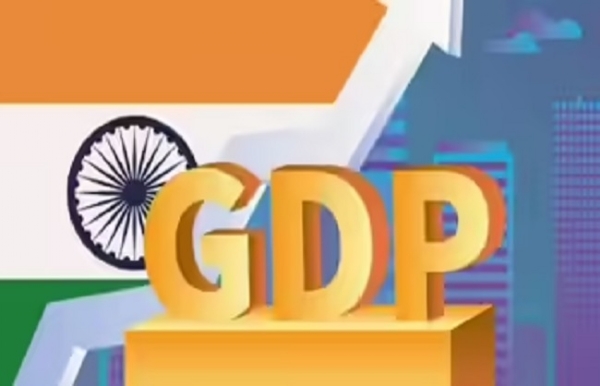
The World Bank has revised its GDP growth projection for India upward to 6.6% for fiscal year 2026–27, up from an earlier estimate of 6.3%, underscoring the institution’s belief in India’s resilience despite intensifying global uncertainties, particularly the ongoing West Asia crisis. The latest forecast features in the bank’s April 2026 South Asia Economic Update, which highlights India as the region’s primary growth engine even as broader regional momentum shows signs of cooling.
According to the World Bank, India’s economy is expected to expand at 7.6% in FY 2025–26, up from 7.1% in FY 2024–25, driven by robust domestic demand and a resilient export outlook. The institution argues that sustained consumer spending, supported by policy‑driven initiatives including cuts in Goods and Services Tax (GST) rates, will boost private consumption in the early months of FY 2026‑27.
However, the report also warns that disruptions stemming from the West Asia conflict and elevated energy prices could weigh on inflation and gradually slow the pace of growth thereafter.
The bank’s April update notes that South Asia as a whole will see a slowdown in underlying growth this year, but India will continue to outpace the region, anchored by strong internal demand, manufacturing‑linked investment, and an improving trade‑performance backdrop.
India’s central bank, the Reserve Bank of India (RBI), has taken a marginally more optimistic stance in its own assessment. In its first Monetary Policy Committee (MPC) review of FY 2026‑27, the RBI retained its projection for real GDP growth at 6.9% for the current fiscal, slightly above the World Bank’s 6.6% estimate.
Analysts observe that both institutions attribute the upward revision in India’s growth outlook primarily to strong household demand and a relatively healthier export performance compared with many other emerging‑market economies exposed to volatile trade and energy markets. Still, the RBI’s higher number reflects a more benign assumption on the fiscal and external balance than the World Bank, which explicitly flags the Middle East‑linked energy‑market volatility as a key downside risk.
The World Bank’s decision to raise India’s FY 2026‑27 growth forecast signals that global institutions continue to view the country as a relative bright spot in an otherwise uncertain global environment. Even as conflicts in West Asia, fluctuating oil prices, and tighter financing conditions weigh on other emerging economies, India’s expanding middle‑class‑driven consumption, infrastructure‑focused capex, and digital‑ and services‑led exports provide a buffer against external shocks.
At the same time, the bank’s caveats about GST‑related demand spikes and Middle East‑induced disruption suggest policymakers will need to remain vigilant on inflation, fiscal discipline, and energy‑security strategies. For markets, the upward revision offers a reassurance that India’s growth trajectory remains on a solid footing, even if the pace of expansion moderates slightly from the heady rates of the past two fiscal years.
---------------
Hindusthan Samachar / Jun Sarkar
09 Apr 2026
Om Power Transmission IPO Opens for Subscription at ₹166-175; Tentative Listing on April 17

09 Apr 2026
Spot Silver Soars Over ₹10,000/kg Across India; Futures Tumble Amid Ceasefire Uncertainty

09 Apr 2026