Beirut, 09 April (H.S.): Headline:
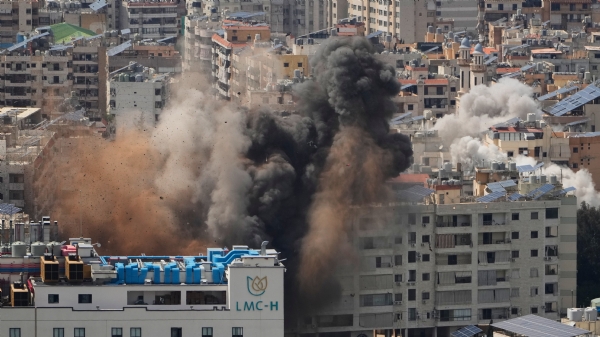
At least 182 people have been killed and more than 890 wounded in a massive wave of Israeli airstrikes across Lebanon, including a direct assault on central Beirut, underscoring how the newly brokered US‑Iran ceasefire has done little to shield the country from escalating violence.
The strikes, delivered in rapid succession over roughly ten minutes, have turned what many Lebanese hoped would be the beginning of a de‑escalation into one of the deadliest single days of the renewed Israel‑Hezbollah war.
Lebanon’s Ministry of Health reported that the casualties included men, women, and children struck in residential neighborhoods, commercial strips, and displacement hubs in Beirut, the southern suburbs, parts of southern Lebanon, and the eastern Bekaa Valley.
Witnesses in downtown Beirut described columns of black smoke rising from the central Corniche al‑Mazraa district, where apartment blocks, shops, and streets were reduced to rubble and vehicles were left charred.
Israeli officials said they had hit more than 100 Hezbollah “military” targets, including missile launchers, command nodes, and intelligence infrastructure, while accusing fighters of operating in mixed, non‑Shiite areas.
Local officials and residents in the affected districts, however, insisted there were no visible military installations in the immediate vicinity, framing the strikes as disproportionately destructive to civilian life.
Many of those killed and wounded were among the internally displaced, who had already fled from southern and eastern Lebanon to the comparative safety of Beirut and coastal cities such as Sidon.
A government‑appointed health official told reporters that roughly half of Lebanon’s displaced population is now concentrated in Beirut, increasing the risk that any future Israeli campaign will inflict even graver humanitarian costs.
In displacement camps along Beirut’s waterfront, families voiced a mix of exhaustion and despair. Some who had begun packing to return to their homes earlier in the day now feared a return to serial flight, with one resident describing life in tents—without proper showers or stable shelter—as unsustainable.
As of late April 8, more than 1 million people in Lebanon had been displaced by the war, according to UN and Lebanese officials.
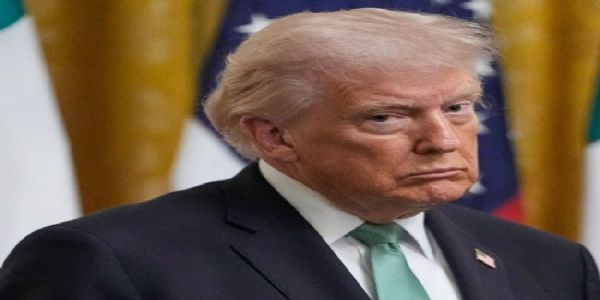
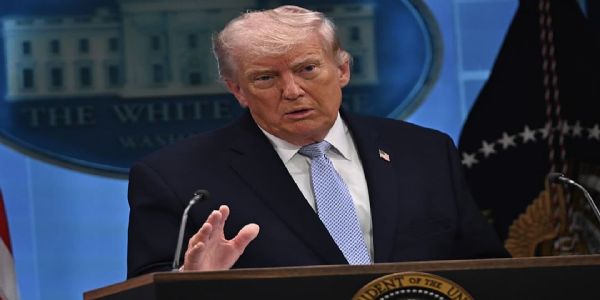
The strikes came hours after the United States and Iran announced a two‑week ceasefire meant to pause hostilities following weeks of direct conflict between the two countries. US President Donald Trump later told PBS NewsHour that Lebanon and the war with Hezbollah were not included in the agreement, citing the group’s role in cross‑border attacks.
“Due to Hezbollah, they were not part of the agreement,” Trump said, calling the Lebanon conflict a “separate skirmish” that Washington would nevertheless seek to manage.
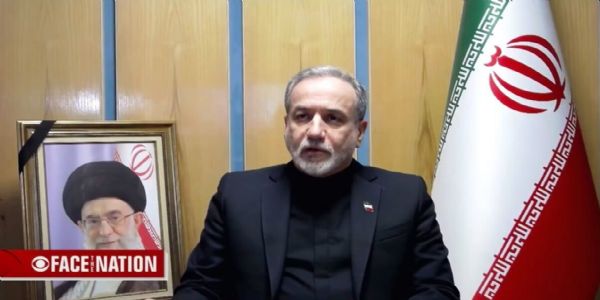
Iran and the Islamic Republic’s key regional partner, Pakistan, assert that the ceasefire does extend to Lebanon, and that Israel’s continued bombardment breaches the understanding. Tehran has warned that if Israel does not halt its strikes on Lebanon, it may suspend or terminate the broader ceasefire, risking a return to full‑scale regional hostilities.
In response to the Israeli attacks, Iranian authorities announced that they were halting oil tanker traffic through the Strait of Hormuz, a critical global energy chokepoint. State‑linked media reported that just a small number of vessels had traversed the strait after the truce formally began, underscoring the fragility of the arrangement.
The move has already triggered fresh anxiety among oil‑market analysts about the potential for renewed price spikes and supply disruptions.
Israeli officials frame the strikes as a defensive necessity, arguing that Hezbollah’s rocket and missile barrages into northern Israel have forced a sustained campaign to degrade the group’s capabilities.
Israeli Defense Minister Israel Katz said Wednesday’s operation was the largest blow against Hezbollah since the 2024 attack that destroyed Hezbollah’s pager network—a strike widely attributed to Israeli intelligence.
Lebanese leaders from across the political spectrum condemned the attacks as a flagrant violation of international humanitarian law.
Prime Minister Nawaf Salam accused Israel of escalating at the very moment Beirut sought negotiations to end hostilities, while President Joseph Aoun denounced the strikes as “barbaric.”
The Ministry of Social Affairs warned that targeting the heart of Beirut represented a dangerous new threshold, given the dense concentration of displaced civilians in the capital.
Lebanese officials reiterated a standing offer to enter direct or indirect negotiations with Israel to secure a broader ceasefire, but Israeli authorities have given no indication they are ready to engage in such talks on Lebanon‑specific terms.
The apparent mismatch between Washington’s narrow definition of the ceasefire and Iran’s broader interpretation now lies at the core of the diplomatic crisis.
If Israel continues striking Lebanon while the US insists the truce does not cover Hezbollah, Tehran may treat the situation as a pretext to resume attacks on US or Israeli interests, potentially unraveling the agreement altogether.
For Lebanon, the outlook remains bleak: a country already reeling from economic collapse and multiple rounds of conflict now faces the prospect of prolonged bombardment and a shattered ceasefire, even as civilians in Beirut and the south struggle to find safe ground.
Hindusthan Samachar / Jun Sarkar