Islamabad, 08 April (H.S.):
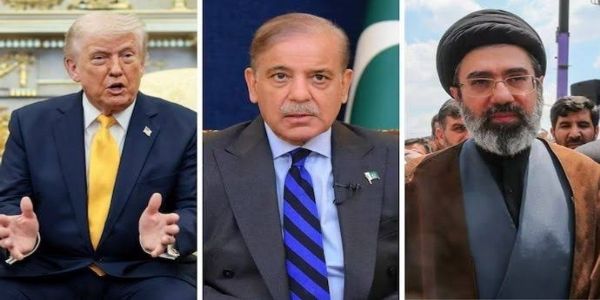
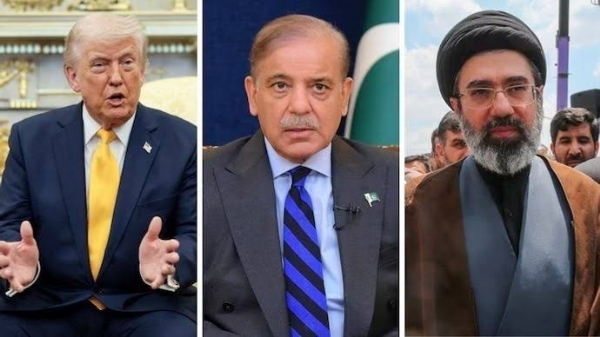
Pakistan Prime Minister Shehbaz Sharif emerged as a pivotal mediator on Tuesday, announcing an immediate ceasefire between the United States and Iran, along with their allies, extending to conflict zones like Lebanon. In a landmark diplomatic move, Sharif invited delegations from Washington and Tehran to Islamabad on Friday, April 10, for high-stakes negotiations aimed at forging a lasting peace accord.
Sharif's announcement, posted on his official social media account late Monday, hailed the truce as a sagacious gesture from both sides. With the greatest humility, I am pleased to announce that the Islamic Republic of Iran and the United States of America, along with their allies, have agreed to an immediate ceasefire everywhere including Lebanon and elsewhere, EFFECTIVE IMMEDIATELY, he stated. He extended deepest gratitude to the leadership of both nations, praising their remarkable wisdom and understanding in prioritizing peace.
Pakistan's role as a neutral broker underscores its growing influence in regional diplomacy. Long-standing ties with Iran—sharing a 959-kilometer border—and warming relations with the US under the Sharif government positioned Islamabad ideally for shuttle diplomacy.
Sources familiar with the backchannel talks, including statements from Pakistan's Foreign Office, confirm that Islamabad facilitated secret communications over the past week, bridging gaps amid escalating tensions.
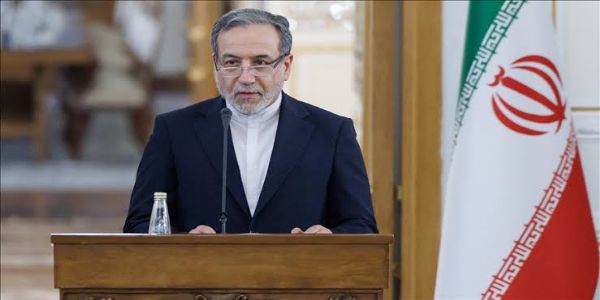
Iran's Supreme National Security Council swiftly endorsed the two-week pause, but with a stern caveat. It is emphasised that this does not signify the termination of the war, the council declared in a formal communiqué. Our hands remain upon the trigger, and should the slightest error be committed by the enemy, it shall be met with full force.
The Iranian side agreed to COMPLETE, IMMEDIATE, and SAFE OPENING of the Strait of Hormuz—a vital chokepoint for 20% of global oil trade—in exchange for halting US strikes.
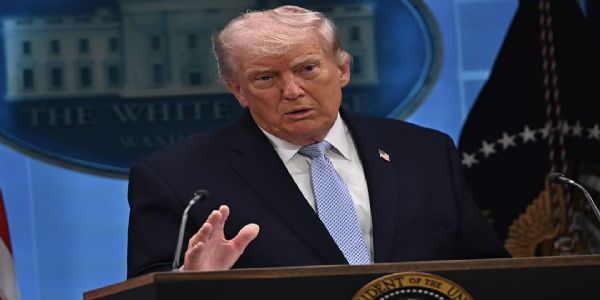
US President Donald Trump corroborated the deal in his own statement, crediting Sharif's personal intervention. Trump revealed he had held off the destructive force being sent to Iran tonight at Pakistan's behest, averting what he had earlier termed an existential threat to Iranian infrastructure.
This followed Trump's Tuesday ultimatum: A whole civilisation will die tonight, never to be brought back again, if Hormuz remained closed. The ceasefire triggered an immediate 8-10% plunge in global oil prices, easing pressures on energy-importing nations like Pakistan, which relies on affordable crude for its economy.
The Islamabad Talks, as Sharif dubbed them, mark a rare convergence of adversaries. Delegations are expected to address Iran's 10-point ceasefire demands, including curbs on uranium enrichment and US guarantees against future strikes.
Pakistani officials, speaking anonymously to Reuters and BBC, expressed optimism: Both parties have shown constructive engagement; we hope for sustainable peace and more good news soon.
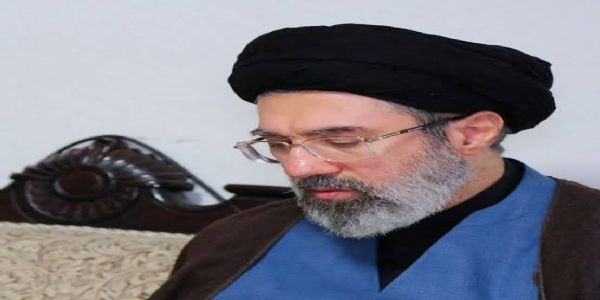
Critics, however, urge caution. Iranian hardliners, led by Mojtaba Khamenei, echoed the council's warning that the truce is tactical, not terminal.
US Democrats and some Republican allies condemned Trump's rhetoric as reckless, while global markets remain volatile. Pakistan's invitation extends to allies on both sides, potentially drawing in Saudi Arabia, Israel, and Gulf states.
As preparations intensify in Islamabad bolstered by tightened security and diplomatic protocols Sharif's gambit could redefine South Asian geopolitics.
Hindusthan Samachar / Jun Sarkar