Tehran, 08 April (H.S.):
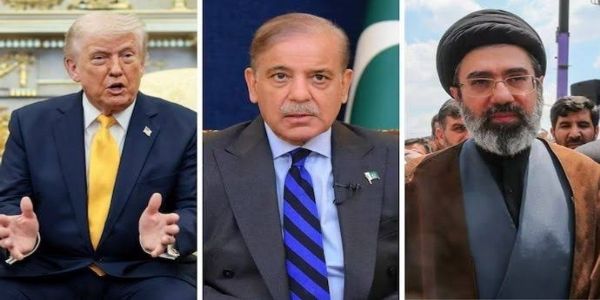
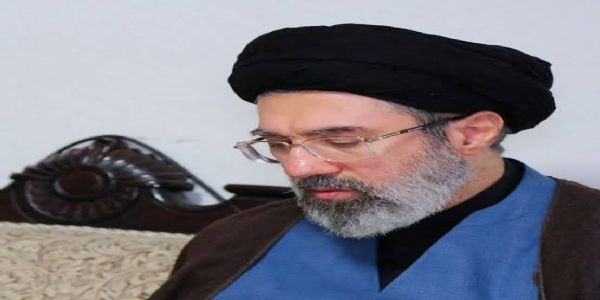
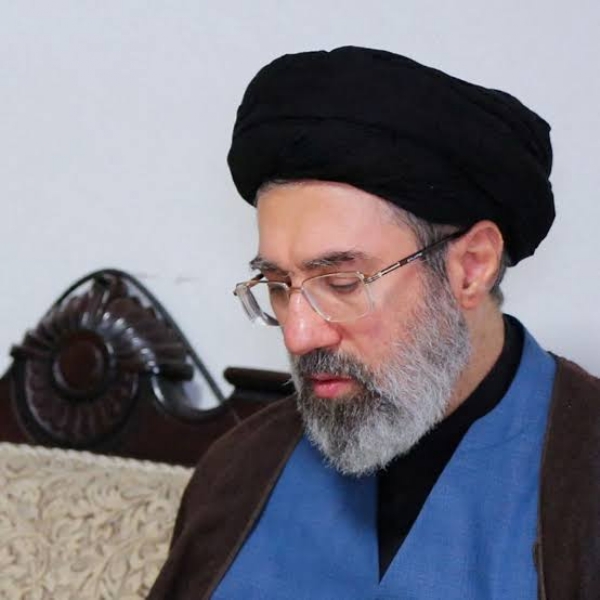
Iran's newly ascended Supreme Leader Mojtaba Khamenei has directed all military branches to halt fire under a fragile two-week ceasefire with the United States, while issuing a stark warning that the conflict remains far from resolved.
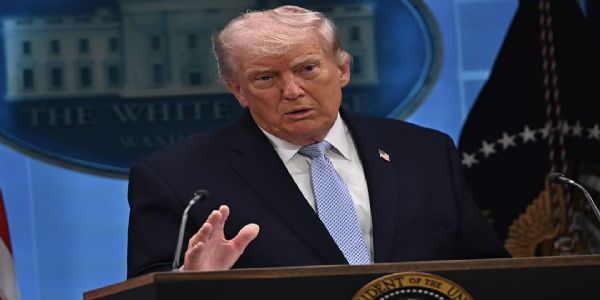
In a statement broadcast on state-run Islamic Republic of Iran Broadcasting (IRIB), Khamenei emphasized strict adherence to his orders, declaring, This is not the end of the war but all military branches should follow the Supreme Leader's order and cease their fire. This comes after U.S. President Donald Trump announced a temporary pause in strikes, contingent on Iran's agreement to reopen the Strait of Hormuz, following 39 days of intense hostilities that began with a U.S.-Israeli joint operation on February 28, which claimed the life of Khamenei's father, Ayatollah Ali Khamenei.
Ceasefire Terms and Strategic Posturing
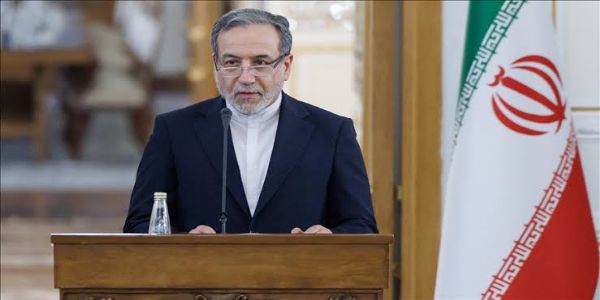
Iran's Supreme National Security Council reinforced Khamenei's position, stating that the truce does not signal war's termination and that Tehran retains hands upon the trigger for any provocations by the U.S. or Israel. The council highlighted near-achievement of wartime objectives, crediting Iranian forces for rendering the enemy historically helpless, and confirmed upcoming talks in Islamabad on Friday, April 10.
Mojtaba Khamenei, who assumed leadership amid personal tragedies—including the deaths of his father, mother, wife, and a son—revised a U.S. 15-point ceasefire proposal into a 10-point counteroffer. Key demands include coordinated Hormuz passage under Iranian oversight, U.S. troop withdrawals from regional bases, full sanctions relief, reparations, asset releases, and a binding UN Security Council resolution.
Background on Mojtaba Khamenei's Rise and Influence
Long viewed as a hardliner, Mojtaba Khamenei played a pivotal role in suppressing the 2009 Green Movement protests using IRGC forces and Basij militias, enforcing regime ideology through brutal tactics. His ascension reflects Iran's shift to an offensive asymmetric doctrine, leveraging missiles, drones, proxies like Hezbollah and Yemen's Houthis, and Hormuz leverage to sustain pressure despite battlefield setbacks.
Analysts caution that Khamenei's overtures may embody a hudnaa tactical truce for regrouping rather than genuine de-escalation, given his commitment to regional ambitions and rejection of ultimatums. Pakistan-mediated diplomacy, including the ceasefire channel, underscores Islamabad's intermediary role, though Tehran demands permanent war termination .
Oil prices have plunged on the news, signaling market relief, while global stakeholders monitor for breaches.
Hindusthan Samachar / Jun Sarkar