New Delhi, 26 April (H.S.):
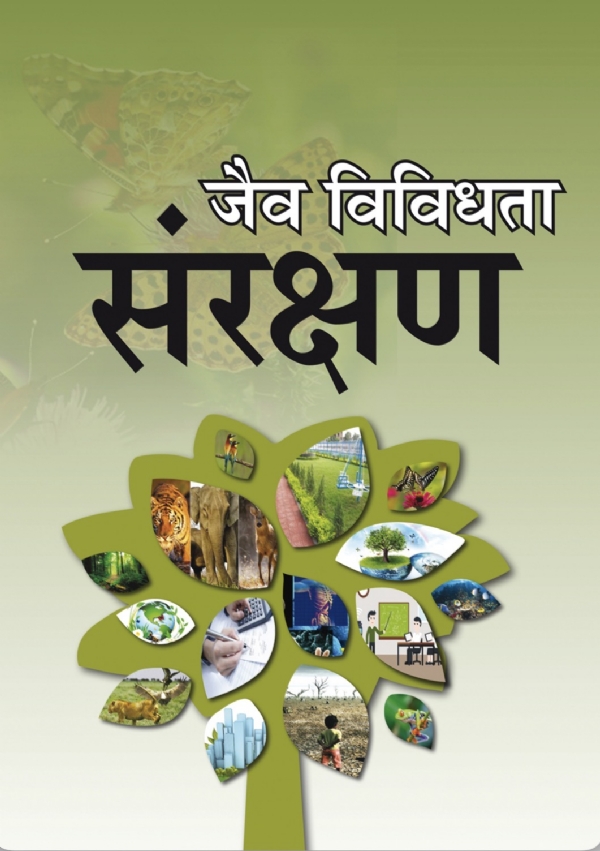
India has launched a five‑year project to strengthen on‑the‑ground biodiversity conservation and integrate it into local development plans, with pilot work in Tamil Nadu and Meghalaya. The initiative, led by the Union Ministry of Environment, Forest and Climate Change (MoEFCC) and the National Biodiversity Authority (NBA), aims to empower local communities and village panchayats while also creating sustainable livelihood opportunities.
The project is titled “Strengthening Institutional Capacities for Securing Biodiversity Conservation Commitments” and will run from 2025 to 2030. It is being implemented with financial support of 4.88 million US dollars from the Global Environment Facility (GEF) and the United Nations Development Programme (UNDP).
Two ecologically significant landscapes have been selected as pilot sites:
Tamil Nadu: The Sathyamangalam landscape, located at the meeting point of the Western and Eastern Ghats, includes the Mudumalai Tiger Reserve and the Sathyamangalam Tiger Reserve. The project will involve communities living near these forests to mainstream biodiversity conservation into Gram Panchayat Development Plans (GPDPs).
Meghalaya: In the Garo Hills region, the project will focus on the Nokrek Biosphere Reserve, Balpakram National Park, and the Siju Wildlife Sanctuary. Here, it will support community‑level conservation through local institutions and traditional knowledge.
The main goal is to mainstream biodiversity in local development plans and strengthen Panchayati Raj Institutions (PRIs) and Biodiversity Management Committees (BMCs). The project will create multi‑stakeholder platforms that bring together forest departments, revenue departments, elected representatives, and civil‑society groups to design community‑owned conservation plans.
It also aims to design innovative financing mechanisms, such as benefit‑sharing arrangements, corporate social responsibility (CSR) partnerships, and green micro‑enterprises, so that conservation can support long‑term livelihoods for local people.
Focus on knowledge, capacity, and inclusion
A major component of the project is knowledge management and capacity building. Successful models and innovations developed in Tamil Nadu and Meghalaya will be documented and shared for replication across the country.
Special emphasis is being placed on the participation and empowerment of women, Scheduled Castes, and tribal communities, ensuring that vulnerable groups are included in decision‑making and benefit‑sharing.
Linking to national and global goals
The initiative follows a “bottom‑up” governance approach, with panchayats at the centre. It is aligned with India’s Updated National Biodiversity Strategy and Action Plan (NBSAP 2024–2030), the Kunming‑Montreal Global Biodiversity Framework (including the 30×30 target), India’s Nationally Determined Contributions (NDCs) under the Paris Agreement, and the state‑level visions of Tamil Nadu and Meghalaya for 2030.
By combining grassroots participation, institutional strengthening, and innovative finance, the project seeks to make biodiversity conservation a core part of local development while safeguarding India’s rich natural heritage.
---------------
Hindusthan Samachar / Jun Sarkar


26 Apr 2026