New Delhi, 23 April (H.S.):
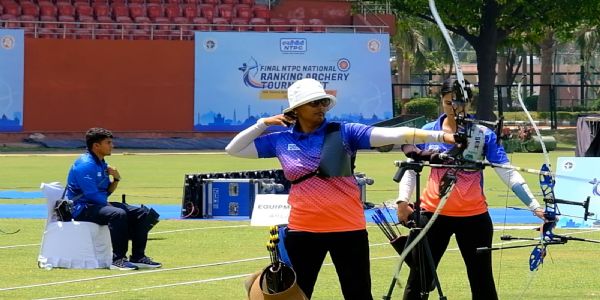
As India prepares to host the 2030 Commonwealth Games in Ahmedabad, Gujarat, top Indian archers Deeksha Kumari and Tarundeep Rai are voicing guarded optimism that archery will return to the multilateral event after a long absence. The duo sees the centenary‑edition Games as a potential catalyst for the re‑emergence and wider popularisation of the sport across the country.
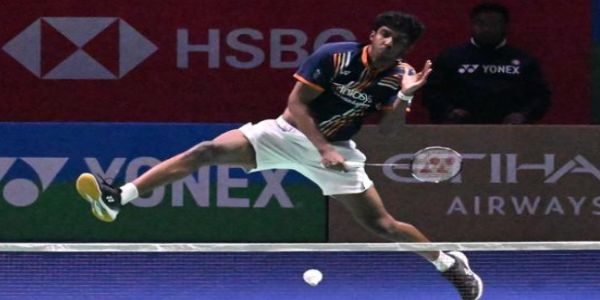
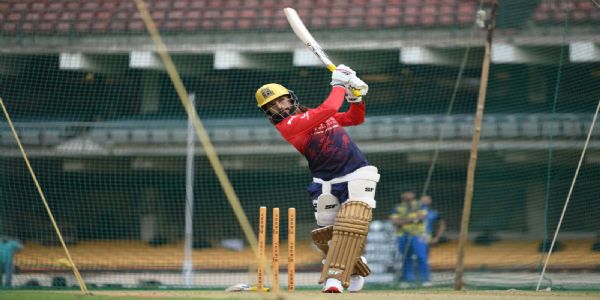
India is set to stage the 2030 Commonwealth Games on a far grander scale than the compact 2026 edition in Glasgow, which will feature only 10 sports and six para sports. In contrast, the 2030 programme is expected to include 15–17 disciplines, with shooting, wrestling, badminton and archery among the events India is keen to see reinstated after their exclusion from the Glasgow Games.
Deeksha Kumari, who clinched a historic gold in the women’s recurve individual event at the 2010 Delhi Commonwealth Games at the age of 16, recalled the landmark impact of that victory. Speaking via a SAI‑media report, she said the 2010 Games were a turning point in her career and in the recognition of archery itself in India. “At 16, I became a champion in a sport that was not very popular at the time,” she said.
“The win put archery on the national map, and many people discovered the sport through it. The visibility also helped raise awareness about other disciplines, as fans saw athletes up close.”
Deeksha added that she believes India’s 2030 Games, to be hosted in Ahmedabad, will be even larger and more impactful than the 2010 edition. She noted that Indian archers have not been able to compete at the Commonwealth level since their event was dropped and expressed hope that the 2030 schedule will include archery to give current and future talents a major international stage.
Three‑time Olympian Tarundeep Rai echoed this sentiment, describing the 2010 Commonwealth Games as a “special moment” that triggered a transformation in Indian archery. He highlighted the growth in infrastructure, technical training and the number of active archers, which has soared from roughly 400 in 2010 to over 30,000 today. “Now there are around 100 archers who, on any given day, can stake a claim to place in the national team,” he said, underlining the depth of the talent pool built over the past decade and a half.
Tarundip expressed pride at India hosting the 2030 Games and argued that regular, large‑scale events every five to ten years could reshape the country’s sporting ecosystem. “If India keeps hosting world‑class competitions, it will open doors for new talent and motivate more children to treat sports as a viable career,” he said. For archery, in particular, he hopes the 2030 Games will serve as a high‑visibility platform to reintroduce the discipline to mainstream audiences and attract sustained media coverage and investment.
With the formal sports programme for Amdavad 2030 yet to be finalised, the mood among archers is one of cautious anticipation. If archery joins the list alongside shooting, wrestling, badminton and cricket‑T20, India’s 2030 hosting could become a defining moment not only for the nation’s sporting calendar but also for the long‑term revival and institutionalisation of one of its most technically demanding Olympic disciplines.
---------------
Hindusthan Samachar / Jun Sarkar