Tehran, 23 April (H.S.):
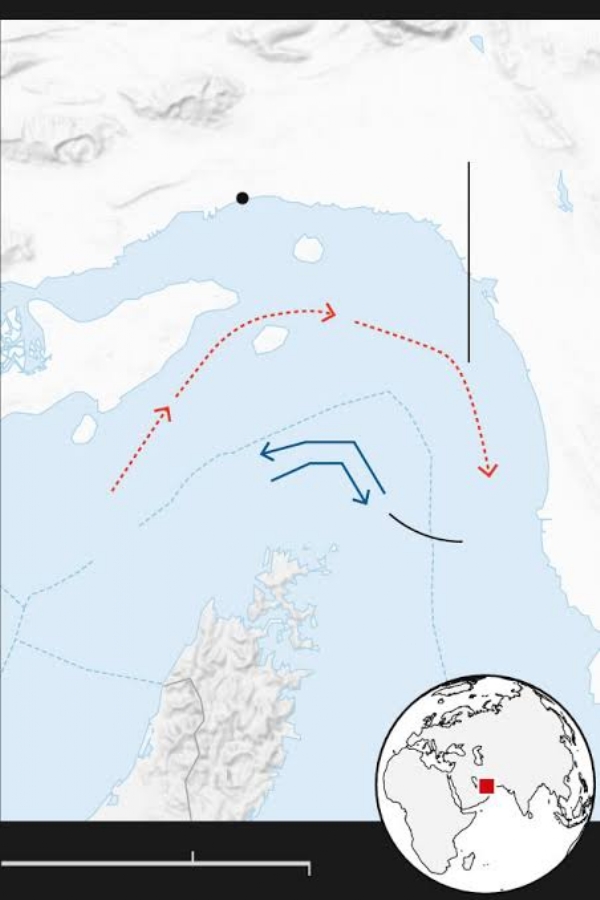
Iran has firmly rejected reopening the Strait of Hormuz, on Wednesday citing the ongoing U.S. naval blockade of its ports as a direct breach of the fragile ceasefire between the two nations. This critical chokepoint, through which one-fifth of global oil flows in peacetime, remains a flashpoint amid escalating maritime confrontations.
Iran's Islamic Revolutionary Guard Corps (IRGC) announced the seizure of two container ships—the Panama-flagged MSC Francesca and the Liberia-flagged Epaminondas—after they allegedly violated warnings in the strait.
A third vessel, the Panama-flagged Euphoria, sustained bridge damage from IRGC gunfire, according to UK-based maritime trackers, underscoring the perilous volatility in these waters. These actions followed U.S. interceptions of Iranian-linked ships, with both sides accusing the other of ceasefire violations.
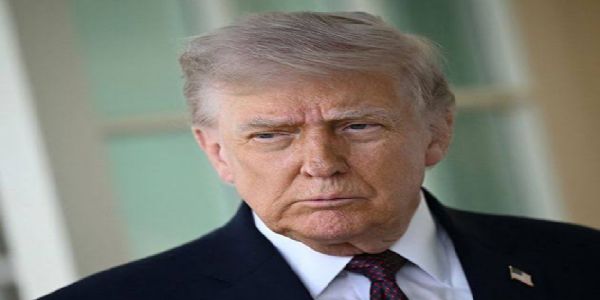
President Donald Trump extended the truce initially brokered by Pakistan—on Tuesday at mediators' behest, yet Iranian officials, including Parliament Speaker Mohammad Bagher Ghalibaf, decried the blockade as undermining any true peace.
Talks in Islamabad have stalled over Hormuz control, Iran's nuclear ambitions, and regional ceasefires, with a second round potentially looming by week's end per U.S. sources.
Foreign Ministry spokesman Esmaeil Baqaei acknowledged Pakistan's mediation but offered no concessions.
The standoff stems from a U.S.-Israeli offensive seven weeks ago that prompted Iran to shutter the strait, retaliating against strikes on its infrastructure.
Amid domestic protests crushed brutally and IRGC consolidation of power, Tehran demands asset releases and war reparations in negotiations. Gulf states, battered by economic fallout, now push for curbs on Iran's nuclear program and Hormuz dominance.
---------------
Hindusthan Samachar / Jun Sarkar

23 Apr 2026