Tehran, 20 April (H.S.):
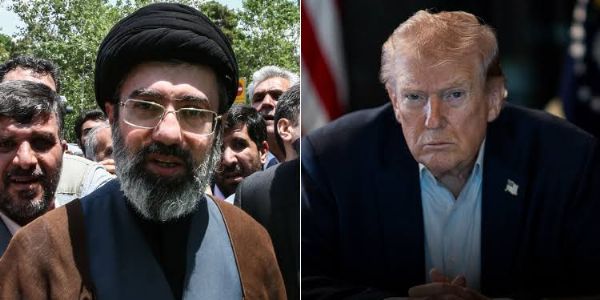
Iran has formally rejected a second round of direct talks with the United States, accusing Washington of unreasonable demands, “blame‑game” rhetoric and unilaterally reshaping the terms of a fragile ceasefire just days before the two‑week truce in the Middle East is set to expire. The repudiation inflames already‑tense relations between Tehran and Washington, as US President Donald Trump simultaneously renews his threat of large‑scale strikes on Iranian infrastructure unless Tehran accepts what he describes as a “fair and reasonable” peace deal.
Iran’s foreign‑policy establishment has categorically dismissed reports of a second round of negotiations taking place in Islamabad, branding such claims as “false” and orchestrated to pressure Tehran politically. The semi‑official Islamic Republic News Agency (IRNA) stated that the United States has imposed “excessive demands” and shifted its negotiating positions repeatedly, while also violating the ceasefire framework through what Tehran calls a de facto naval blockade of Iranian ports.
According to IRNA, America’s “unreasonable and unrealistic expectations,” combined with persistent threats to Iran’s physical infrastructure, have made “constructive talks” virtually impossible. Iranian officials have also accused Washington of peddling a narrative about Iran’s alleged participation in a second round of negotiations simply to cast Tehran as intransigent ahead of the ceasefire’s April 22 deadline.
The US‑imposed blockade of Iranian maritime chokepoints has emerged as one of the most contentious issues in the current standoff. Washington has justified the restrictions as a measure to choke off Iranian weapons shipments and prevent further destabilisation in the region, but Tehran characterises them as violations of the ceasefire understanding and unlawful coercion.
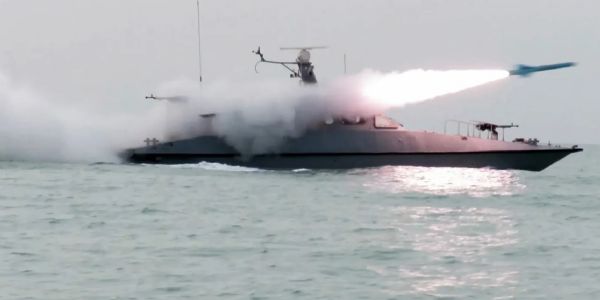
Tensions escalated further when an American destroyer opened fire on and seized an Iranian‑flagged vessel attempting to evade the blockade. Iran has warned that it will retaliate for what it views as a direct assault on its sovereignty, and Tehran’s media apparatus has repeatedly juxtaposed images of heavily armed US warships with rhetoric framed around “national humiliation” and “resistance.”
Iranian state outlets such as Fars and Tasnim have cited “anonymous senior officials” saying that the “overall atmosphere cannot be assessed as very positive,” and that any meaningful resumption of negotiations is contingent on the lifting of the US‑imposed naval restrictions.
Iran and the United States, alongside Israel, are now only two days away from the scheduled end of the two‑week ceasefire that temporarily halted the broader Middle East war. The truce was first brokered in late February 2026, following a surprise US‑Israeli strike on Iranian facilities on February 28 that triggered a rapid spiral of retaliatory attacks across the region.
President Trump has publicly accused Iran of violating the ceasefire by allegedly firing on shipping near the Strait of Hormuz, a vital artery for global oil and gas flows. In a recent statement, he insisted that Washington remains committed to a negotiated settlement but warned that failure to reach a deal would invite devastating strikes on Iranian bridges, power plants and other critical infrastructure.
Speaking to a US news outlet, Trump claimed that the “basic concept” of the deal is already in place and that he sees “a very good chance” of finalising it in Islamabad. However, the White House’s insistence that envoys headed by Vice President JD Vance, special envoy Steve Witkoff and senior adviser Jared Kushner will proceed to Pakistan appears to have deepened Tehran’s scepticism that Washington is negotiating in good faith.
Trump’s unusually aggressive rhetoric has become a defining feature of the current phase of US‑Iran diplomacy. On his social‑media platform, he has reiterated that he will “knock out” key elements of Iran’s civilian infrastructure unless Tehran accepts his terms, framing the threat as a necessary lever to force a capitulation on what Washington calls Tehran’s “destabilising” regional activities.
International reactions to this rhetoric have been mixed. Some European allies have quietly urged Washington to temper its language, warning that overt threats of mass infrastructure damage could further entrench hard‑line positions in Tehran and harden public opinion against any negotiated settlement. At the same time, dovish voices within the US foreign‑policy establishment have privately conceded that Trump’s blend of pressure and diplomacy may be the only way to extract concessions from a regime that views any retreat as a sign of weakness.
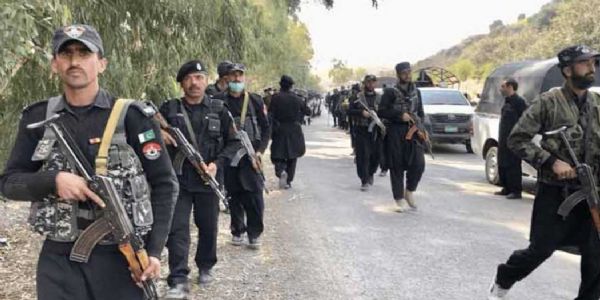
The choice of Islamabad as the proposed venue for a second round of talks has added a new layer of complexity to the crisis. Pakistan’s leadership, led by General Asim Munir, has been quietly navigating pressure from Washington, Tehran, and regional heavyweights such as Saudi Arabia and the United Arab Emirates, all of which have a vested interest in preventing a prolonged war in the Middle East.
Reports suggest that Trump’s overture to Pakistan is part of a broader bid to portray the upcoming round as a “neutral” mediation, even as critics argue that Washington’s control over the agenda and military posture at sea severely undermines Islamabad’s role as an impartial broker. For Tehran, the prospect of engaging in what it perceives as a US‑centric process, with American officials and their allies largely dictating the terms, only reinforces its declared unwillingness to participate.
With the April 22 expiry of the ceasefire looming, the Middle East stands at a precarious juncture. On one side is a US‑led coalition that views the current ceasefire as a lever to force comprehensive Iranian concessions on its nuclear programme, regional proxies and missile capabilities. On the other is a leadership in Tehran that sees the same process as an attempt to engineer “regime change” under the guise of diplomacy.
Iran’s decision to publicly shun a second round of talks in Islamabad underscores how deeply mutual distrust runs between the two capitals. If no last‑minute breakthrough emerges, the region could face a renewed escalation that would not only risk the lives of civilians and combatants but also destabilise global energy markets and further strain already fragile diplomatic channels.
For now, the words “no more Mr Nice Guy” increasingly ring less like posturing and more like a foretaste of the high‑stakes brinkmanship that could define the next chapter of the US‑Iran confrontation in the Middle East.
---------------
Hindusthan Samachar / Jun Sarkar