Kathmandu, 02 April (H.S.):
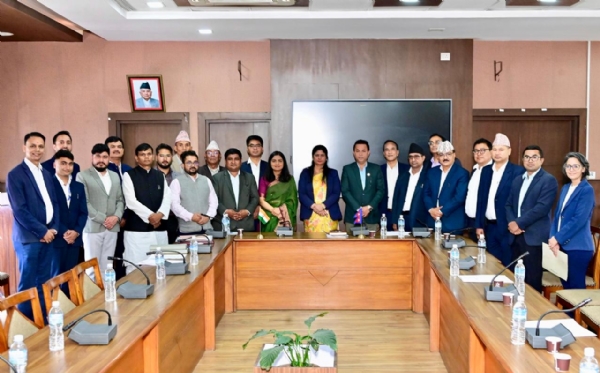
India and Nepal signed memoranda of understanding (MoUs) on Thursday for seven community development projects in the fields of education, health and agriculture, funded through grants from the Government of India. The total estimated cost of these projects is approximately ₹47.3 crore.
The agreements were signed between the Embassy of India in Kathmandu, the Ministry of General Administration of Nepal and various project‑implementing agencies of the Government of Nepal.
The projects include:
-Construction of a cold storage facility in Madhyabindu Municipality, Nawalpur District
-Construction of a cold storage facility in Lalgaurans Municipality, Tehrathum District
-Construction of a school building, hostel and canteen for Janbal Secondary School in Gharpajong Rural Municipality, Mustang District
-Construction of the building for Shree Kalika Primary School in Gauriganga Municipality, Kailali District
-Construction of a birthing centre in Paroha Municipality, Rautahat District
-Construction of the building for Shree Kasturi Secondary School in Tripurasundari Municipality, Dolpa District
-Construction of the building for Shree Jankalyan Secondary School in Khajura Rural Municipality, Banke District
These projects will be implemented through Nepal’s local bodies—the municipalities and rural municipalities. The Embassy noted that since 2003, the Government of India has initiated a total of 598 projects in Nepal, including the seven newly signed initiatives. Of these, 506 projects in areas such as health, education, agriculture, drinking water, connectivity, sanitation and public utilities have been completed, while the remaining are at various stages of implementation.
Under the close‑neighbour partnership between India and Nepal, multifaceted cooperation continues to strengthen. The Embassy stressed that these projects would not only bolster local infrastructure but also stimulate development and economic activities.
The Nepali side believes that initiatives such as cold‑storage construction will bring direct benefits to farmers in the agriculture sector, while the establishment of schools and health centres will significantly improve access to education and healthcare services in rural areas.
This latest round of projects is seen as an important step in reinforcing Nepal’s development agenda and deepening bilateral cooperation between the two countries.
---------------
Hindusthan Samachar / Jun Sarkar
02 Apr 2026