Washington, 18 April (H.S.):
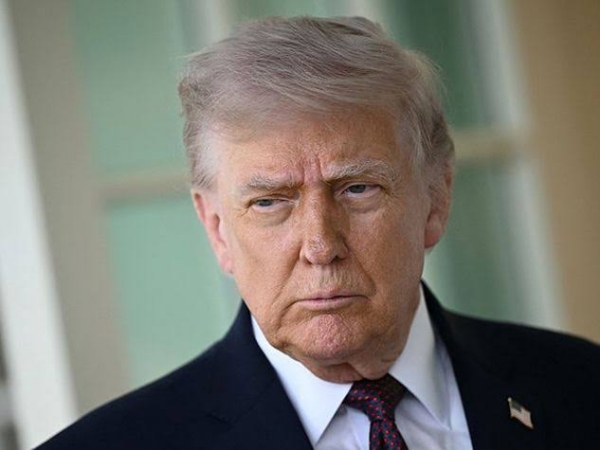
President Donald Trump has outlined a striking plan for a potential peace deal with Iran, envisioning joint operations to excavate and repatriate Tehran's enriched uranium stockpile to American soil. Speaking at a Turning Point USA event in Phoenix, Arizona, on Friday, Trump emphasized collaborative action using the biggest excavators you can imagine to extract what he termed nuclear dust from Iranian nuclear sites.
Trump's upbeat assessment signals no major obstacles remain, with a comprehensive agreement very close after weeks of high-stakes negotiations. He clarified that while the Strait of Hormuz stands completely open for global commerce—following Iran's recent declaration—the U.S. naval blockade targeting Iranian vessels persists in full force until the uranium transfer concludes.
Iranian officials, however, have contradicted this, insisting their enriched uranium stockpile will not leave the country, highlighting a key friction point in the talks.
Hormuz Blockade: Leverage in Nuclear Standoff
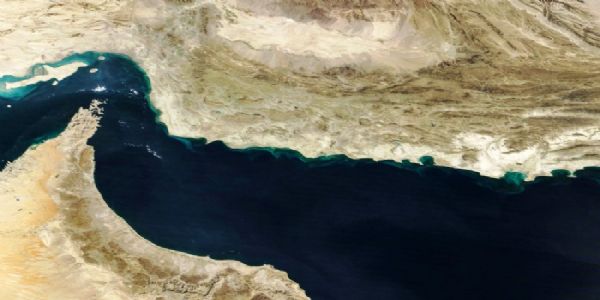
The Hormuz developments form a pivotal backdrop to Trump's uranium proposal. Iran announced the strait—vital for 20% of global oil shipments—fully accessible to commercial traffic amid a fragile 10-day ceasefire with Israel and Hezbollah in Lebanon. Yet Trump swiftly countered that American forces would maintain their blockade on Iranian ports and ships exclusively, ensuring compliance until our transaction with Iran is 100% complete.
He anticipates a swift resolution, noting most terms are already settled, potentially including unfreezing $20 billion in Iranian assets.
This strategy reflects Trump's broader Middle East doctrine: wielding military pressure to extract concessions. The blockade, initiated after failed Pakistan talks earlier this month, has compelled Iran to clear mines from the strait in U.S.-assisted efforts, paving the way for today's excavation vision.
Critics warn of overextension, with U.S. troop levels in the region swelling to 50,000 since Trump's return to office, amid new security pacts with Qatar and Saudi Arabia.
Trump's excavator imagery not only dramatizes the deal but also reassures allies of unwavering resolve against Iranian nuclear ambitions. By framing the operation as a joint venture, he positions the U.S. as a partner rather than solely an enforcer, potentially easing domestic opposition to prolonged naval commitments. Oil prices have stabilized post-Hormuz reopening, but markets remain volatile pending final ratification.
---------------
Hindusthan Samachar / Jun Sarkar
18 Apr 2026