S P Singh
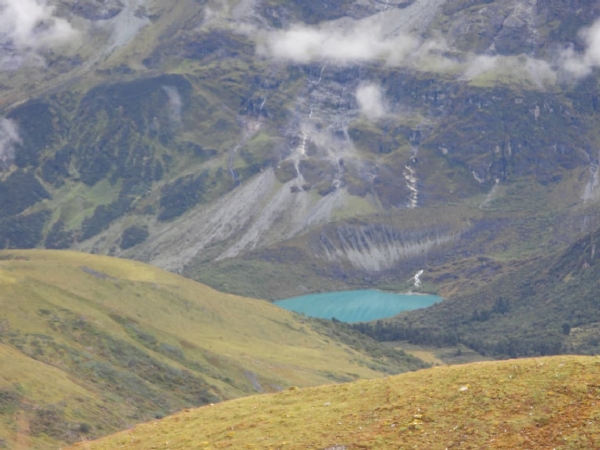
Nestled in the remote Upper Subansiri district of Arunachal Pradesh, Sugor Tso and Upper Sugor Tso stand as two serene high-altitude lakes of immense cultural, environmental, and strategic significance. Formed by the confluence of glacier-fed streams, these pristine water bodies lie close to the Indo-Tibetan border and represent a rare blend of natural beauty, spiritual heritage, and ecological importance.
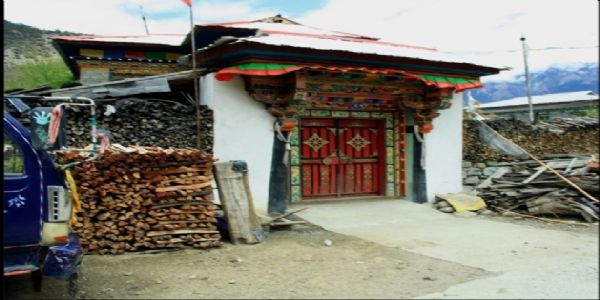
Situated at an elevation of approximately 4,065 meters, the twin lakes are an integral part of the Eastern Himalayas. Their crystal-clear waters flow throughout the year, sustaining nearby villages such as Bidak and Gelemo, while supporting local tribal communities including the Tagin, Adi, and Monpa peoples. For generations, these lakes have served as a crucial natural resource and remain deeply embedded in the region’s traditional way of life.
-------
Cultural and Spiritual Importance
Sugor Tso and Upper Sugor Tso hold profound cultural significance, especially among the Tagin, Adi, and Monpa communities, as well as the broader Buddhist population of Arunachal Pradesh. The region has long maintained spiritual ties with its high-altitude lakes, which are often regarded as sacred spaces of peace, purity, and enlightenment.
Local belief holds that Buddha passed through this region during his quest for enlightenment and spent time near these lakes. This association has elevated Sugor Tso into a revered spiritual site for both Buddhists and indigenous communities. Even today, the lakes continue to be regarded as holy places and remain focal points for rituals, prayer, and cultural traditions.
Beyond religious symbolism, the surrounding landscape also plays an important role in indigenous customs. Communities such as the Monpas continue traditional practices linked to the land, including seasonal activities and ancestral customs that reflect a deep connection between people and nature.
--------
Ecological Significance
The twin lakes are ecologically vital and contribute significantly to the biodiversity of the Eastern Himalayan hotspot. Their surrounding region supports a range of high-altitude flora and fauna, making it an important conservation zone.
Preserving the ecosystem of Sugor Tso and Upper Sugor Tso is essential for maintaining the fragile environmental balance of the region. These lakes also play a critical role in sustaining freshwater systems that nourish local habitats and communities downstream.
At a time when climate change poses increasing threats to glacial sources and Himalayan ecosystems, protecting these lakes has become more important than ever. Conservation efforts are necessary not only for their ecological value but also for safeguarding the natural heritage of Arunachal Pradesh.
-------
Strategic Relevance
Located in a sensitive frontier zone, Sugor Tso and Upper Sugor Tso also hold strategic importance for India. High-altitude lakes near border regions often serve as key geographical markers and observation points. Their location near the international boundary adds to their significance in the broader context of regional security and border management.
As infrastructure development expands across Arunachal Pradesh, these lakes have gained added relevance from both environmental and strategic perspectives.
-------
Eco-Tourism Potential
Despite difficult terrain and restricted access, Sugor Tso and Upper Sugor Tso possess considerable potential for eco-tourism. Their tranquil landscapes, pristine waters, and historical significance could attract travelers seeking untouched Himalayan destinations.
Responsible tourism can generate livelihood opportunities for local communities while promoting awareness of the region’s cultural and ecological wealth. However, any tourism development must remain carefully balanced with environmental preservation and strategic sensitivity.
--------
A Living Heritage
Sugor Tso and Upper Sugor Tso are far more than picturesque lakes. They are sacred landscapes that connect nature, history, and identity. Their association with Buddha, their importance to tribal communities, and their ecological value make them a treasured part of India’s heritage.
As Arunachal Pradesh continues to develop, these twin lakes stand as enduring symbols of cultural pride, spiritual continuity, and environmental responsibility—where natural beauty and timeless tradition meet in the heart of the Himalayas.
Hindusthan Samachar / Satya Prakash Singh