Tehran, 18 April (H.S.):
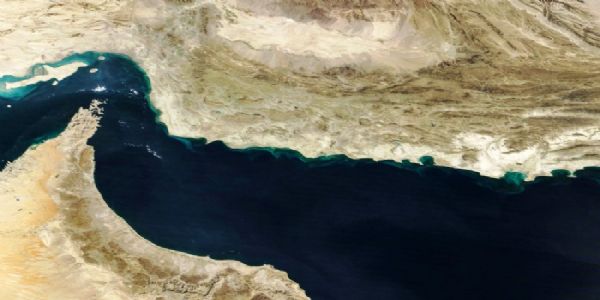
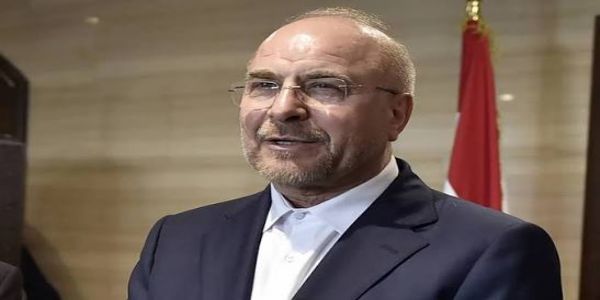
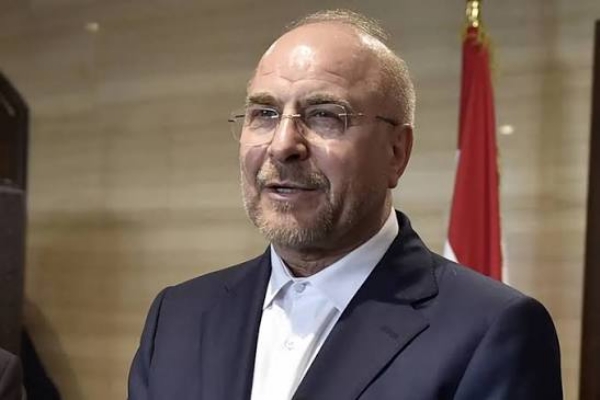
Iran's parliamentary speaker Mohammad Bagher Ghalibaf delivered a stark warning on Saturday, declaring that the Strait of Hormuz would not remain open should the United States persist with its naval blockade of Iranian ports.
In a post on X, he emphasized that passage through this vital waterway—through which nearly 20% of global oil flows—would henceforth require explicit authorization from Tehran, underscoring Iran's resolve to reclaim sovereignty over its territorial waters.
Blockade Origins and Trump's Unyielding Stance
The U.S. naval blockade commenced on April 13, 2026, at 10 a.m. ET, targeting vessels entering or departing Iranian waters as directed by President Donald Trump and executed under U.S. Central Command.
Trump has maintained that the blockade remains in full force until a comprehensive peace deal is 100% complete and fully signed, despite Iran's recent declarations of reopening the strait during a fragile ceasefire.
This follows Iran's Foreign Minister Abbas Araghchi's announcement on April 16, 2026, affirming the strait as completely open for commercial vessels, a move that briefly eased oil prices from $120 to $90.38 per barrel for Brent crude.
Ghalibaf's statement arrives amid optimistic yet contentious U.S.-Iran negotiations, with Trump telling AFP on April 17 that no sticking points remain and a deal is very close, including joint efforts to remove enriched uranium from Iranian sites—claims Tehran has firmly rebutted.
Concurrently, a 10-day ceasefire in the Israel-Hezbollah conflict holds tenuously, marred by reports of an Israeli strike in Lebanon killing one civilian and broader casualties exceeding 2,300 since March.
France and the UK have pledged a multinational mission to secure navigation in the strait once conditions permit, signaling international apprehension over escalation.
The blockade inflicts daily losses of $400 million on Iran, fueling threats of retaliation while Wall Street surged on Hormuz reopening news. Boeing's defense sector benefits from heightened demand, including tripled PAC-3 missile production, as geopolitical strife bolsters U.S. military contracts.
Ghalibaf's April 18 ultimatum thus amplifies fears of renewed conflict, with Iran's Guards imposing fresh conditions on transit amid Trump's insistence on total capitulation.
---------------
Hindusthan Samachar / Jun Sarkar

18 Apr 2026