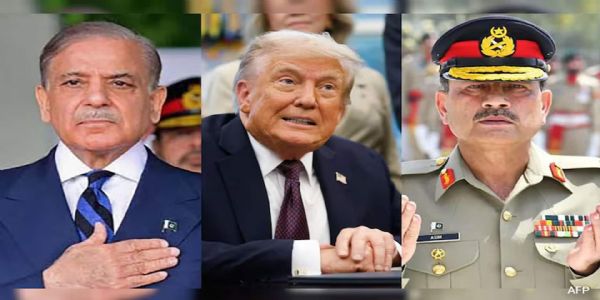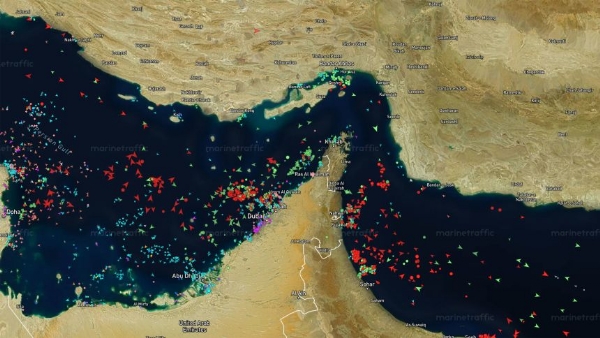
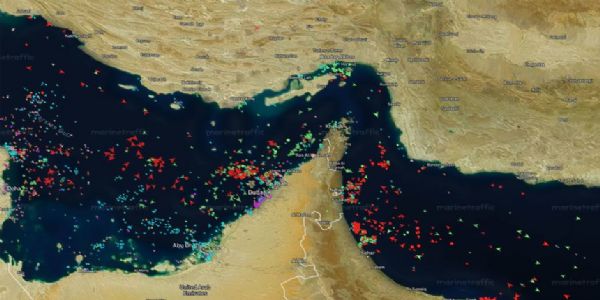
Washington, 13 April (H.S.): Tension has risen over the Strait of Hormuz as the United States prepares to impose a naval blockade on Iranian ports, raising fears of a wider war in the Middle East.After peace talks between the US and Iran in Pakistan ended without an agreement, US President Donald Trump ordered the US Navy to stop all ships entering or leaving Iranian‑controlled waters in the strait. Washington says non‑Iranian ships will still be allowed to pass through the Hormuz corridor, but the move is widely seen as a direct pressure tactic against Tehran.
Iran has responded with strong warnings. The Iranian Revolutionary Guards Navy says the Strait is under full Iranian control and has threatened that any enemy forces entering the area will be trapped in a “deadly vortex.” Iran’s navy chief, Admiral Shahram Irani, called Trump’s blockade threat “ridiculous,” insisting that Iran’s forces are closely watching every move by US and allied warships in the region. This language reflects Iran’s determination to keep its leverage over one of the world’s most important oil routes.
Oil prices have already jumped in reaction to the crisis. Global crude benchmarks have climbed above 100 dollars a barrel as tanker companies change their routes to avoid the Strait of Hormuz.
Analysts say a full closure of the Hormuz choke point could sharply reduce global oil supply and push inflation higher, especially in countries that depend heavily on imported energy.
The current crisis grew out of long negotiations between the US and Iran in Pakistan, held amid weeks of US‑ and Israeli‑led air strikes on Iranian sites. Reports suggested that both sides were close to a fragile ceasefire, including a partial reopening of the Strait and a temporary halt to attacks.
However, Tehran reportedly refused to accept the final terms on its nuclear programme, and Washington changed its stance at the last minute, causing talks to collapse.
Iran’s Foreign Minister Seyed Abbas Araghchi has claimed that a private phone call between Israeli Prime Minister Benjamin Netanyahu and US Vice President JD Vance, made during the talks, shifted the focus toward Israel’s security demands and killed the deal. The US has not confirmed the call, but the allegation has added fresh tension to already strained relations between Washington, Tehran, and Jerusalem. Israeli officials argue that Iran often uses diplomacy to buy time while keeping its military options open, and they see the failed talks as a sign that tougher pressure is needed.
Neighbouring countries and regional allies are increasingly worried that Trump’s unilateral blockade order could push Iran into a strong military response it might otherwise have avoided.
As the evening of Monday, approaches, legal and maritime experts are questioning the lawfulness of such a one‑sided naval blockade in one of the world’s busiest sea lanes. The Strait of Hormuz carries about one‑fifth of all global oil exports, and past disruptions there have caused recessions and serious economic shocks.
Experts warn that if the US‑backed blockade sparks a major Iranian retaliation, the conflict could quickly spread beyond the Gulf, pulling in other regional powers and further destabilising the international system. In response, diplomats from neutral and non‑aligned states have urged emergency meetings at the United Nations and regional organisations, calling on all sides to step back from the edge. Yet with hostile rhetoric rising and warships already moving into position, Monday’s blockade threat may not be a temporary pause, but the start of a new and far more dangerous phase in the US‑Iran‑Israel confrontation—one that will reshape energy flows and security alliances across the Middle East and the wider world.
Hindusthan Samachar / Jun Sarkar
13 Apr 2026
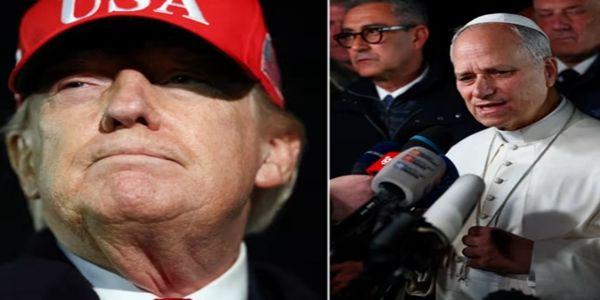
Trump's Papal Firestorm: Rebukes Vatican Pontiff Leo XIV Over Iran War Stance and Nuclear Peril
13 Apr 2026