Washington, 13 April (H.S.):
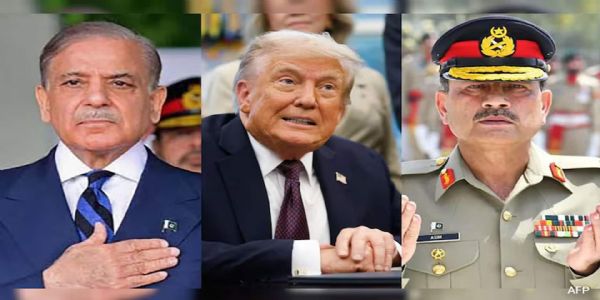
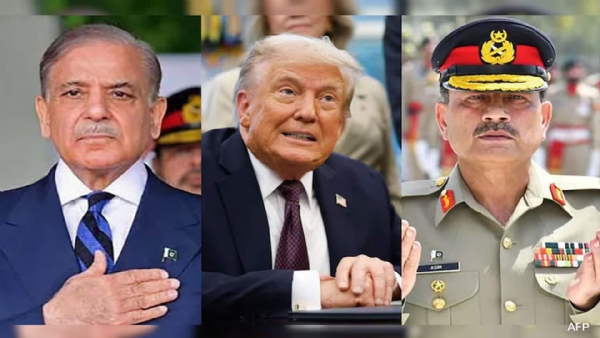
US President Donald Trump has publicly praised Pakistan’s Prime Minister Shehbaz Sharif and Army Chief Field Marshal Asim Munir as “very extraordinary men” for their role in hosting high‑level US–Iran peace talks in Islamabad aimed at ending the six‑week war in the Middle East.
Though the negotiations concluded without a formal agreement, Trump framed the dialogue itself as a diplomatic success brokered by Pakistan’s leadership.
Trump’s wording and tone
In a detailed post on Truth Social, Trump said he had been “fully debriefed” by Vice President JD Vance, Special Envoy Steve Witkoff, and Jared Kushner on the Islamabad meeting, which he attributed to the “kind and very competent leadership” of Sharif and Munir.
He described both leaders as “very extraordinary men” and claimed they “continuously thank” him for having averted what he calls a “horrendous war with India,” even though Indian officials have repeatedly denied any third‑party mediation in last year’s ceasefire.
Trump has also repeatedly referred to Munir as his “favourite field marshal,” underscoring unusually warm personal regard for Pakistan’s top military commander.
Pakistan’s role in the US–Iran talks
Pakistan facilitated the first face‑to‑face, high‑level negotiations between Washington and Tehran in decades, positioning Islamabad as a key mediator in the crisis.
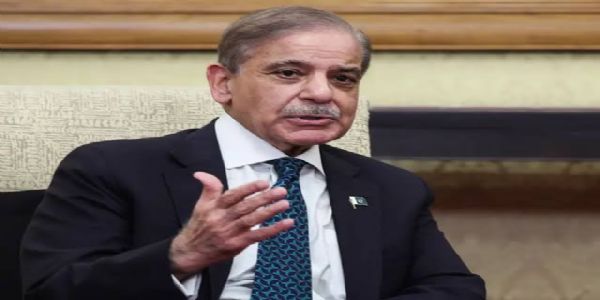
Prime Minister Sharif stated that Field Marshal Munir played a “key and historic” role in “extinguishing the flames of war” and in bringing both sides to the table.
Munir also personally received and saw off the US and Iranian delegations at Islamabad’s airport, signalling the centrality of the military‑civilian tandem in the diplomatic effort.
The war erupted on February 28, 2026, when US and Israeli forces launched airstrikes that killed Iran’s Supreme Leader Ali Khamenei and several senior commanders, triggering a chain of retaliatory attacks on Israel and US bases in the Gulf.
After weeks of escalating violence, President Trump announced a two‑week ceasefire last week and pushed for the talks in Islamabad as a last‑ditch effort to secure a broader settlement.
The marathon negotiations ended with Vance stating he was leaving without a deal; Trump blamed Iran’s refusal to scale back its nuclear ambitions, while Tehran denounced American demands as “unreasonable.”
Thousands of people have been killed across the region since the conflict began.
Hindusthan Samachar / Jun Sarkar
13 Apr 2026
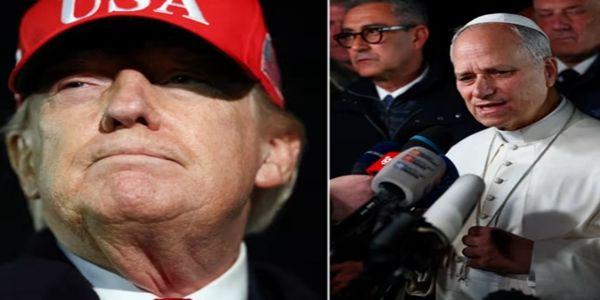
Trump's Papal Firestorm: Rebukes Vatican Pontiff Leo XIV Over Iran War Stance and Nuclear Peril
13 Apr 2026