Budapest, 13 April (H.S.):
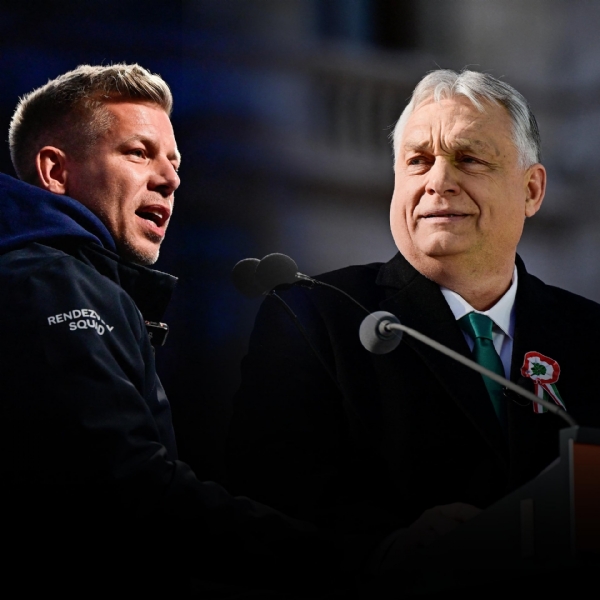
In a seismic shift that reverberates across Europe's geopolitical landscape, Péter Magyar's Tisza Party has decisively vanquished Viktor Orbán's Fidesz regime, securing a commanding two-thirds supermajority projected at 137 to 138 of 199 parliamentary seats in Hungary's parliamentary elections on April 12, 2026.
This resounding mandate, forged amid record voter turnout unseen since the 1990s, culminates 16 years of Orbán's nationalist dominion, often decried as an electoral autocracy marked by eroded judicial independence, media suppression, and strained transatlantic ties.
Orbán, the erstwhile architect of illiberal democracy and steadfast ally of U.S. President Donald Trump and Russian President Vladimir Putin, conceded defeat with uncharacteristic candor mere hours after polls closed.
Addressing supporters in Budapest, the 62-year-old leader acknowledged the painful but unambiguous verdict: We have not been entrusted with the responsibility to govern, he declared, extending congratulations to the victors while pledging Fidesz's vigilant opposition in service to the Hungarian nation.
Fidesz, nonetheless, clinched 55 seats, with the far-right Mi Hazánk party netting a marginal six.
Magyar, a 45-year-old political novice and erstwhile Fidesz insider whose disillusionment catalyzed his insurgent campaign, emerged as the harbinger of reintegration. From the banks of the Danube, before tens of thousands of ecstatic revelers thronging Budapest's streets, he proclaimed: My fellow Hungarians, we have done it! Together, we dismantled the Hungarian regime.
His platform—unyielding on corruption eradication, public service revitalization, and realignment with the European Union and NATO—resonates as a clarion call to reclaim Hungary's place in the Western fold, reversing Orbán-era isolationism.
This supermajority empowers Tisza to repeal constitutional entrenchments that fortified Fidesz's hegemony, potentially unlocking billions in frozen EU funds withheld over rule-of-law disputes.
Magyar's imminent Brussels pilgrimage signals an era of rapprochement, mending fissures that positioned Hungary as NATO's recalcitrant outlier.Amid jubilant carnivals in the capital—where young professionals like 28-year-old HR manager Orsolya Rozgonyi voiced unbridled optimism—the subdued Fidesz faithful underscore a polarized yet transformative juncture.
As Hungary pivots from populist defiance toward collaborative sovereignty, this electoral dénouement not only reconfigures Budapest's domestic polity but recalibrates Europe's equilibrium, heralding a resurgence of democratic vitality.
---------------
Hindusthan Samachar / Jun Sarkar
13 Apr 2026
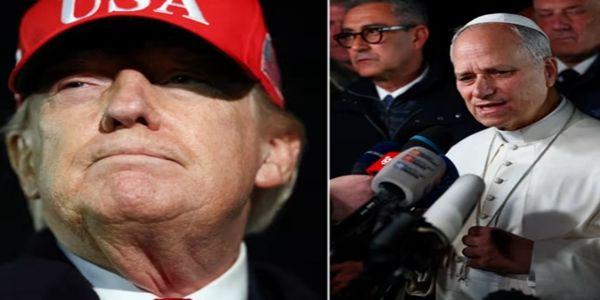
Trump's Papal Firestorm: Rebukes Vatican Pontiff Leo XIV Over Iran War Stance and Nuclear Peril

13 Apr 2026