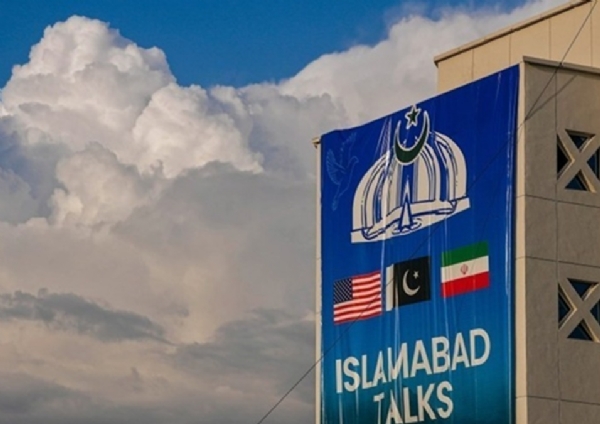
Islamabad, 12 April (H.S.):
In Islamabad, the outcome of Pakistan’s high‑stakes bid to broker peace in the Middle East, and to end the war between Iran and the United States and Israel, may still be some time away. In the capital city, after a marathon, roughly 15‑hour dialogue that began late Saturday afternoon, both sides remained stuck on the issues of Lebanon and the Strait of Hormuz.
The Iranian and American delegations, meeting in Islamabad under Pakistan’s mediation, have finished their first lengthy session and are scheduled to resume talks again today.
During the early‑morning hours, the Iranian side accused the United States of making “unreasonable demands” while insisting that it would remain firm on safeguarding its national interests.
Iranian officials also confirmed that, by mutual agreement and in line with Pakistan’s proposal, another round of negotiations will be held on Sunday.
Reporting from Iran’s Tasnim news agency, Al Jazeera, Pakistan’s Dunya News, and the American CBS News, sources say the intense round of talks between Iranian and US negotiators in Islamabad lasted for about 15 hours and concluded Sunday morning local time.
Iranian officials began their consultations in Islamabad on Saturday at around 13:00 local time at the Serena Hotel. They first met with Pakistani officials and then moved on to discussions with the American delegation. The talks continued until approximately 3:40 a.m. local time on Sunday.
Iran has described this round as the highest‑level face‑to‑face dialogue between Tehran and Washington since the 1979 Islamic Revolution. Prior to this, the last major encounter was between the then‑foreign ministers of the two countries in 2015.
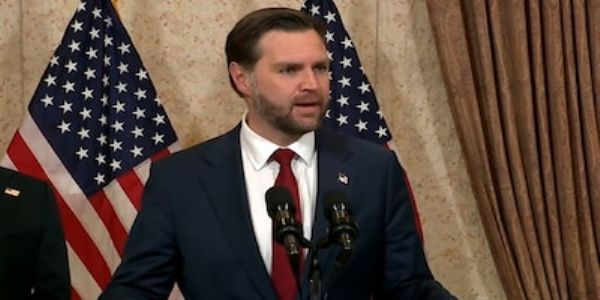
In the current talks, the US delegation is led by Vice‑President JD Vance, while the Iranian side is headed by Speaker of parliament Mohammad Bagher Ghalibaf.
Washington has made it clear that no meaningful progress can be made in these negotiations unless the Strait of Hormuz is fully reopened for free navigation.
Over the course of the 15‑hour session, the parties reportedly exchanged several draft proposals in at least five different rounds. Both sides also held phone consultations with their senior leadership in Washington and Tehran.
During the talks, additional Iranian aircraft arrived in Islamabad, signalling the seriousness of Tehran’s diplomatic push.
Pakistani officials, acting as hosts and mediators, have been instructed to maintain a strict public silence; the government is avoiding any public comment on the negotiations, so as not to influence the outcome.
The stated objective of this dialogue is to reach a permanent peace agreement that would end the ongoing war in West Asia and restore regional stability. The conflict has already crippled global energy supplies, with major disruptions in oil shipments through key choke‑points such as the Strait of Hormuz.
The talks in Islamabad began on Saturday, just four days after Iran and the United States announced a fragile two‑week ceasefire in the region.
Pakistani Prime Minister Shehbaz Sharif has expressed hope that the talks will pave the way for lasting peace in West Asia. Meanwhile, US President Donald Trump has issued a clear warning: if a durable peace agreement fails to materialise after these talks, the United States will resume its military operations against Iran.
In turn, Iran has put forward a ten‑point plan for negotiations, which includes the withdrawal of all US forces from West Asia, the lifting of sanctions on Iran, and granting Tehran effective control over the Strait of Hormuz.
Composition of the US delegation in Islamabad
The American team is led by Vice‑President JD Vance. He is accompanied by Special Envoy Steve Witkoff and by President Trump’s son‑in‑law, Jared Kushner, who serves as a close foreign policy adviser.
Composition of the Iranian delegation in Islamabad
The Iranian negotiating team is headed by Speaker of Parliament Mohammad Bagher Ghalibaf. Other key members include Foreign Minister Abbas Araghchi and veteran diplomat Ali Bagheri.
Iranian media report that the delegation comprises 71 participants, including negotiators, technical experts, and security personnel.
Pakistan’s role as mediator
Pakistan is acting as the neutral mediator in these historic talks. Prime Minister Shehbaz Sharif, military chief General Asim Munir, and Deputy Foreign Minister Ishaq Dar have played a central role in bringing both sides to the negotiating table.
Lebanon peace deal: Israel signals readiness—on its own terms
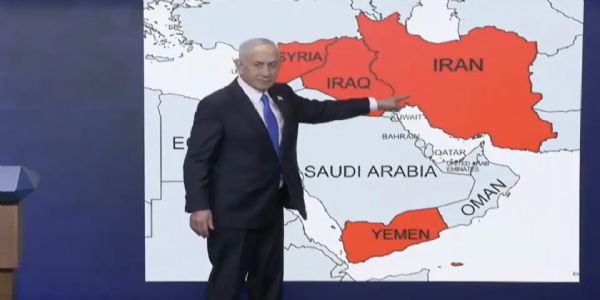
In parallel, Israel has given a partial opening to diplomacy. Prime Minister Benjamin Netanyahu has stated that Israel is ready to negotiate a permanent peace agreement with Lebanon, provided it ensures long‑term security guarantees and effectively neutralises Hezbollah’s military capabilities.
Netanyahu has also criticised Iran and its allies, insisting that Israel’s military campaign against “terrorist regimes” will continue. In a televised address, he reiterated that Israel wants a lasting peace framework with Lebanon, but only one that permanently degrades Hezbollah’s capacity to threaten Israeli territory.
According to Israeli army statements, its forces have struck more than 200 Hezbollah positions across Lebanon in the past 24 hours, intensifying the pressure on both Hezbollah and Iran. Iranian officials, citing the country’s state‑run Press TV, have, however, claimed that the current truce in Lebanon is part of a broader understanding reached during the Islamabad talks between the US and Iran—a suggestion that Washington and Tel Aviv have publicly denied.
Hindusthan Samachar / Jun Sarkar

12 Apr 2026