Washington, 11 April (H.S.):
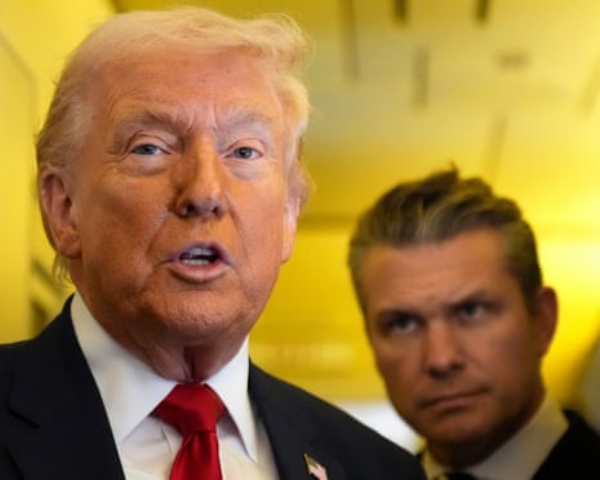
In a resolute declaration on Friday, President Donald Trump asserted that the United States would restore passage through the Strait of Hormuz fairly soon, a pivotal chokepoint for global energy shipments disrupted since the onset of hostilities with Iran.
Speaking to reporters amid escalating diplomatic maneuvers, Trump underscored the complexity of the endeavor while hinting at international collaboration, stating, Other countries use the strait. So we do have other countries coming up, and they'll help out. He added, It won't be easy ... I would say this - we will have that open fairly soon.
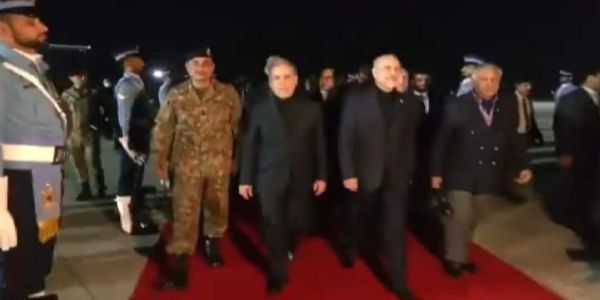
This pronouncement arrives on the eve of critical peace negotiations between the United States and Iran, slated to commence today in Islamabad under Pakistan's auspices. The talks, hosted in a fortified Red Zone encompassing key government edifices and diplomatic missions, represent a fragile bid to consolidate a recent two-week ceasefire brokered last Tuesday following six weeks of intense conflict.
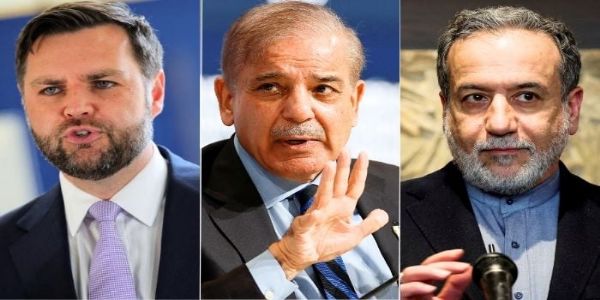
The US delegation, spearheaded by Vice President J.D. Vance alongside envoys Steve Witkoff and Jared Kushner, will confront Iranian counterparts Abbas Araghchi and Mohammad Bagher Ghalibaf. Tehran has tabled a ten-point proposal advocating its oversight of the strait, a stipulation viewed skeptically by Washington amid Tehran's blockade that has throttled approximately 20 percent of worldwide oil and liquefied natural gas flows, precipitating seismic shocks to energy markets.
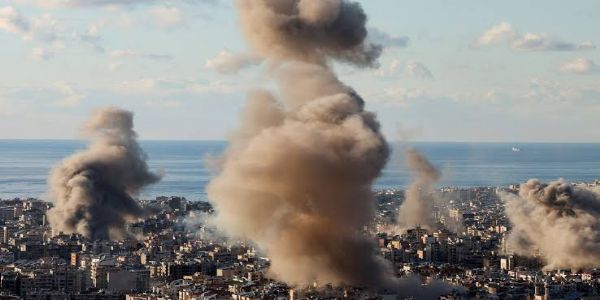
The conflagration ignited on February 28 with coordinated US-Israeli strikes on Iran, eliciting retaliatory barrages against Israel and American installations across Gulf states, alongside Israeli incursions into Lebanon. Thousands have perished, millions displaced, and oil prices have surged, compounding global economic tremors. Trump's earlier rhetoric—threatening to destroy Iran's entire civilization—has yielded to pragmatic overtures, including a ceasefire pause on further assaults, though he has cautioned of warships primed for escalation should diplomacy falter.
NATO allies face mounting pressure from Trump to furnish tangible support for securing the strait, with Secretary-General Mark Rutte conveying urgent demands for commitments within days.
Pakistan's mediation underscores its delicate regional balancing act, as Islamabad enforces stringent security protocols to avert disruptions. Analysts depict the Islamabad summit as a make-or-break juncture, overshadowed by profound mutual distrust yet buoyed by Trump's insistence on Iran's nuclear curtailment and Hormuz normalization.
As delegations converge today, the world watches whether these parleys will de-escalate the inferno or ignite fresh conflagrations, with the strait’s reopening emblematic of broader stakes in forestalling wider turmoil.
Hindusthan Samachar / Jun Sarkar