Washington, 11 April (H.S.):
Lebanon's leadership announced on Friday that diplomats from Beirut and Jerusalem will convene next Tuesday at the U.S. State Department to negotiate a ceasefire in the protracted Israel-Hezbollah conflict, alongside the groundwork for formal bilateral talks under American mediation.
The development, confirmed through an official statement from Lebanese President Joseph Aoun's office, follows a landmark telephone consultation earlier on Friday involving the Lebanese and Israeli ambassadors to Washington, as well as the U.S. ambassador to Lebanon. This trilateral exchange marked a tentative agreement to prioritize an immediate truce declaration before advancing to substantive negotiations between the neighboring states.
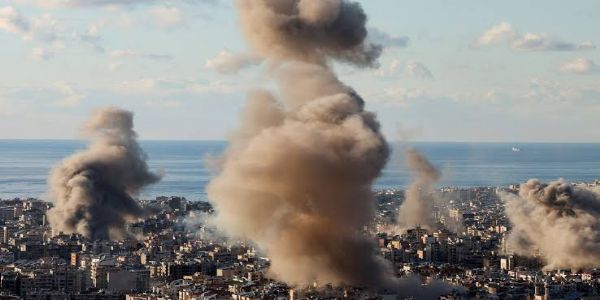
President Aoun has consistently advocated for direct engagement with Israel since Hezbollah's rocket assaults on Israeli territory on March 2, which propelled Lebanon into the broader Middle East conflagration backed by Iran. The incursion prompted Israel's robust aerial and ground response, exacerbating a humanitarian crisis that has claimed over 1,950 Lebanese lives in recent weeks, with Wednesday's strikes alone inflicting 357 fatalities.
Complicating matters, a nascent U.S.-Iran ceasefire—brokered this week and holding for two weeks—remains ambiguous in its applicability to Lebanon. Israel has persisted with intensive operations against Hezbollah strongholds, while the militant group has retaliated symmetrically, including claimed barrages on Israeli positions and a missile strike on a naval facility in Ashdod.
Israeli Ambassador to Washington Yechiel Leiter, in a post-meeting declaration, categorically rejected any ceasefire discourse involving Hezbollah, whom he designated a terrorist entity, underscoring Tel Aviv's precondition for disarming the group prior to de-escalation.
Conversely, Hezbollah leader Naim Qassem decried Lebanon's overtures as gratuitous yields to Israel, pledging unyielding resistance and demanding a full Israeli withdrawal from southern Lebanese soil.
Friday's announcements coincided with fresh violence: Lebanon's National News Agency documented Israeli warplanes pummeling Nabatiyeh in the south, obliterating a State Security outpost adjacent to municipal offices and claiming 13 personnel. Prime Minister Nawaf Salam framed the casualties as a catalyst for resolute ceasefire advocacy, while Aoun implored global actors to curb recurrent Israeli incursions.
Tensions peaked further with Israel's military issuing preemptive alerts for prospective strikes on densely populated southern Beirut districts, encompassing vital hospitals and the airport access route—though no immediate action materialized. Transport Minister Fayez Rasamny cited diplomatic pledges safeguarding the airfield, echoed by assurances to Rafic Hariri Hospital from the International Committee of the Red Cross.
Israel contends it has neutralized over 180 Hezbollah combatants in Wednesday's operations—conducted mere hours post the U.S.-Iran truce revelation—while dismantling 4,300 sites and eliminating 1,400 fighters since hostilities ignited.
Public backlash in Beirut saw protesters, waving Hezbollah and Iranian ensigns, decry governmental concessions and the prospective parleys.
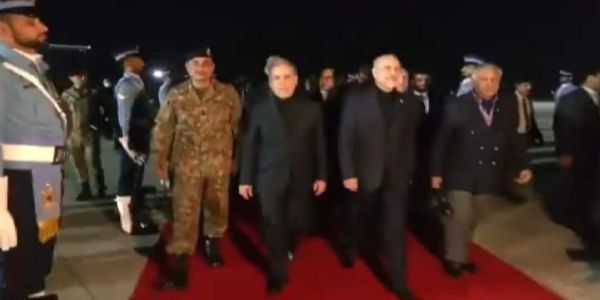
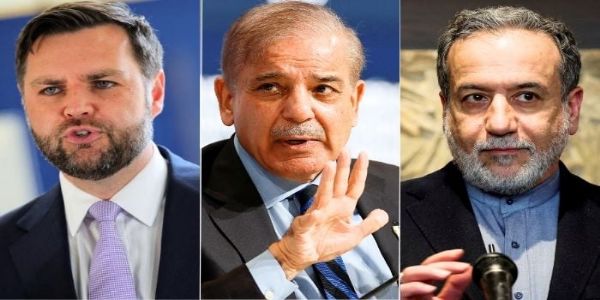
These Washington-bound deliberations unfold against a volatile regional tableau, where concurrent U.S.-Iran summitry in Islamabad grapples with intertwined flashpoints: Lebanese hostilities, Strait of Hormuz navigation, Iran's nuclear posture, proxy militias, and sanctions alleviation.
U.S. Vice President JD Vance, spearheading the Pakistan dialogue, tempered expectations with a blend of overtures and admonitions, signaling Washington's preparedness for bona fide diplomacy or resolute countermeasures.
As Saturday's high-stakes Islamabad session looms—precisely six weeks after U.S.-Israeli strikes on Iran, including the February 28 assassination of Supreme Leader Ali Khamenei—Pakistan's neutral brokerage has garnered acclaim for seating adversaries, though analysts forecast incremental accords over sweeping resolutions.
Lebanon's overture thus represents a precarious diplomatic thrust amid unrelenting strife, with the international community vigilant for breakthroughs or breakdowns.
---------------
Hindusthan Samachar / Jun Sarkar