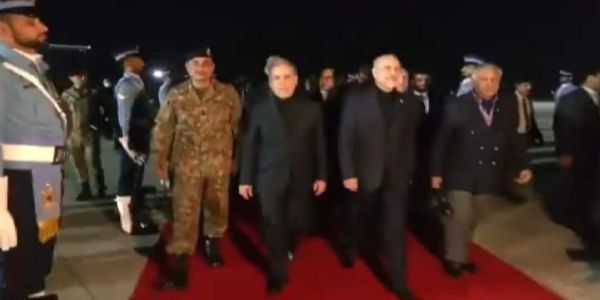
Islamabad, 11 April (H.S.): On this crisp spring Saturday, delegations from the United States and Iran will convene with profound resolve in Pakistan's capital, poised to negotiate a durable ceasefire or confront the peril of renewed conflagration across the Middle East.
The distinguished Iranian delegation, honorably designated Minab 168 in solemn tribute to the 168 souls—including over 160 cherished children—lost in the US-Israel airstrike on a girls' elementary school in southern Iran's Minab town on 28 February, will arrive imminently under the esteemed leadership of Parliament Speaker Mohammad Bagher Ghalibaf.
Their poignant symbolism bloodstained school bags and children's shoes adorning aircraft seats—shall serve as a dignified testament to the human toll fueling Tehran's steadfast determination.
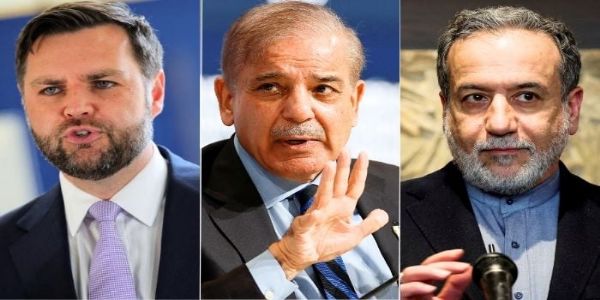
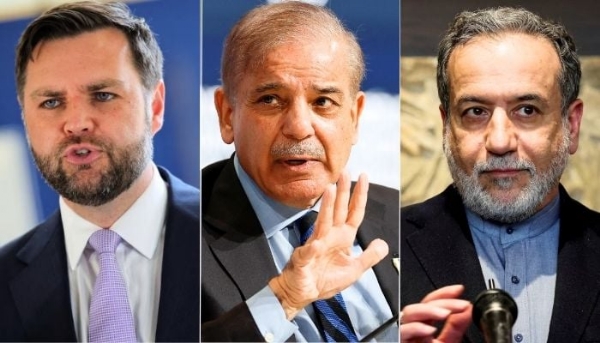
US Vice President JD Vance, dispatched with President Donald Trump's unwavering mandate, will engage Iran's Foreign Minister Seyed Abbas Araghchi and Speaker Ghalibaf. This pivotal summit follows a fragile two-week ceasefire meticulously brokered on Tuesday, mere hours before Trump's resolute deadline to target Tehran's critical infrastructure.
Pakistan's Prime Minister Shehbaz Sharif and Field Marshal Asim Munir merit profound commendation from both nations for their exemplary mediation, elevating Islamabad to a beacon of impartial diplomacy.
Ceasefire's Delicate Pillars and Paramount Demands
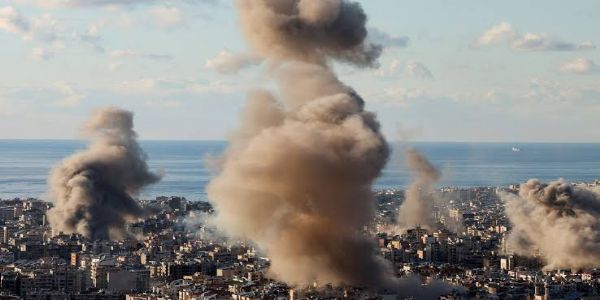
The accord stems from Trump's principled deal or strikes imperative, with both leaders graciously acknowledging Pakistan's indispensable stewardship. Yet, cautious optimism prevails amid critical flashpoints. Iran will advocate for a concomitant truce in Lebanon where Israel maintains operations against Hezbollah—and the prompt unfreezing of its overseas assets. Tehran has indicated readiness to honor select preconditions, as affirmed by its embassy in South Africa, though Speaker Ghalibaf will emphasize that asset releases must precede core deliberations.
Washington's confidential 15-point blueprint will require Iran to irrevocably renounce nuclear armament, dismantle its highly enriched uranium reserves, constrain military capabilities, and restore full navigation through the Strait of Hormuz—a linchpin for global energy security. President Trump has pledged to safeguard the strait with or without compliance, reaffirming his administration's non-negotiable stance on Tehran's nuclear aspirations.
An adapted version of Iran's dignified 10-point proposal will underpin the discussions, according to White House previews, even as Israel's absence and Prime Minister Netanyahu's insistence on Lebanese operations present formidable challenges.
The conflict's genesis lies in intensifying US-Israel operations, including the indelible Minab tragedy that Iran vows eternally to commemorate.
Symbolic reverence abounds: Iran's embassy in Sierra Leone invokes the silenced joy of children, while Speaker Ghalibaf will honor his traveling companions as avatars of Minab's innocents. Esteemed analysts characterize this as a make-or-break watershed, where the ceasefire's endurance will depend on Israel's forbearance and reciprocal magnanimity amid mutual proclamations of triumph.
As the venerated Minab 168 assembly prepares and Vice President Vance's arrival approaches, the global community will observe these closed-door proceedings with bated breath. Triumph promises de-escalation and a transformed Middle East paradigm; adversity imperils a maelstrom ensnaring Lebanon, the Gulf, and farther afield. With the Strait of Hormuz's lifeline and the nuclear shadow in the balance, these deliberations elevate beyond bilateral accord to redefine the architecture of international peace and security.
Hindusthan Samachar / Jun Sarkar