Beirut, 01 April (H.S.):
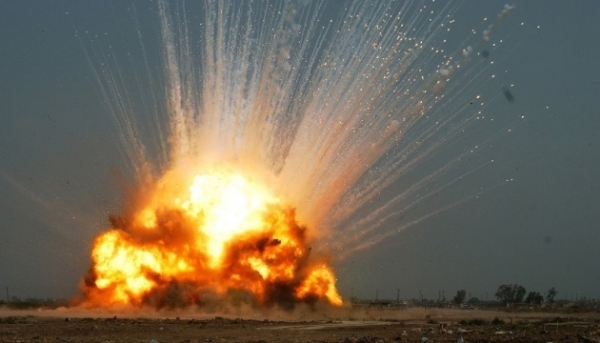
Tensions flared again early Wednesday morning in war‑torn West Asia as the Israeli military launched an airstrike on Dahiyeh, a southern district of Lebanon’s capital, Beirut. The area, widely regarded as a stronghold of the Shia militant group Hezbollah, lit up with loud explosions overnight, sending thick plumes of smoke rising over the city skyline and shaking the surrounding neighbourhoods.
Eyewitnesses said the explosions were powerful enough to rattle buildings across central Beirut, with residents reporting shattered windows and intense panic as the blasts echoed through the night. Turkish news agency Anadolu Agency (AA) reported that the Israeli army targeted the Dahiyeh district in southern Beirut, with the sound of detonations clearly heard in the capital and its surrounding suburbs.
Just hours before the Dahiyeh strike, Israel had reportedly bombed vehicles in the Jnah area of Dahiyeh, another neighbourhood associated with Hezbollah’s presence. Early reports indicated that at least five people were killed and 21 wounded in that earlier attack, underscoring the continued escalation along the Lebanon–Israel border.
Dahiyeh is widely treated as Hezbollah’s main bastion in Beirut, and Israel has repeatedly designated it as a target in its campaign against the group. The latest round of airstrikes follows a pattern of attacks that began in mid‑2024, when cross‑border fire intensified after the collapse of a short‑lived ceasefire signed in November 2024.
Since early March, Hezbollah has fired rockets and missiles into northern Israel in retaliation for sustained Israeli attacks on southern Lebanon, as well as for the US–Israel joint aerial strike on Iran on 28 February 2026, which led to the death of Iran’s Supreme Leader, Ayatollah Ali Khamenei. Hezbollah has stated that its operations are a response to Israel’s ongoing bombardment of Lebanon and the West Asia escalation triggered by the strike on its key regional ally.
Lebanese officials have said that at least 1,247 people have been killed and 3,690 injured in Israeli strikes on Lebanon since the current phase of the conflict erupted. The mounting death toll and persistent attacks on populated areas in Beirut’s southern belt have raised concerns among regional and international actors about the risk of the war spreading further across the Levant.
With Lebanon already grappling with deep‑seated political and economic crises, analysts warn that continued aerial assaults on urban centres like Dahiyeh could deepen humanitarian suffering and further destabilise the fragile country.
---------------
Hindusthan Samachar / Jun Sarkar