Islamabad, 01 April (H.S.):
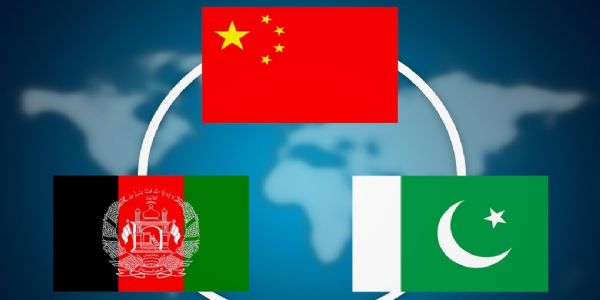
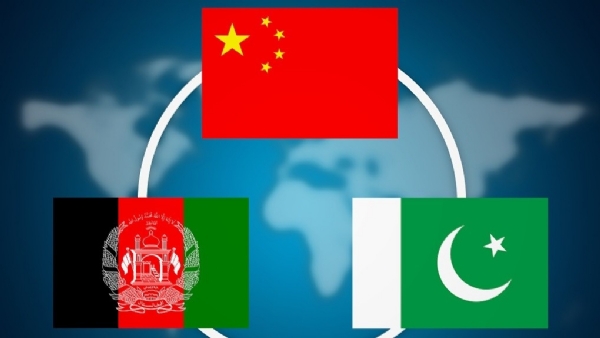
New efforts to end the escalating border conflict between Pakistan and Afghanistan’s Taliban government have begun under Chinese mediation, with talks reported to be underway in Urumqi, in northern China. The negotiations, described by officials as aimed at achieving a durable ceasefire after more than a month of violence and aerial strikes, have raised cautious optimism in the region, even though neither side has issued an official confirmation.
Talks in Urumqi, No Official Statement
Pakistani media group Geo News quoted two Pakistani officials on Wednesday as saying that representatives from Pakistan and the Taliban‑led administration in Kabul had started dialogue in Urumqi, facilitated by China. The officials spoke on condition of anonymity, citing instructions against public comments.
Reports from international news agencies also indicate that China’s special envoy on Afghan affairs has been shuttling between Islamabad and Kabul to broker an agreement, and that the current round in Urumqi is part of Beijing’s broader push to calm hostilities along the 2,600‑km Pakistan–Afghanistan frontier.
Neither China nor Pakistan’s foreign ministry has formally confirmed the negotiations, while Afghan Taliban sources have similarly refrained from issuing a statement. However, regional analysts say that the very fact of resumed talks—in a neutral venue, with Chinese mediation—signals a potential shift toward a negotiated pause in the recent cycle of air raids and cross‑border raids.
Background of Tensions and Allegations
Pakistan has long accused Afghanistan’s Taliban government of harbouring militants, particularly the Pakistan‑based Tehreek‑e‑Taliban Pakistan (TTP), which carries out attacks inside Pakistani territory. Islamabad has insisted that TTP leaders and fighters operate from sanctuaries in Afghanistan, although the Taliban authorities in Kabul have consistently denied using Afghan soil against neighbours and have described the TTP issue as an internal Pakistani security challenge.
Tensions surged in recent weeks, with Pakistani air strikes into Afghanistan and retaliatory actions reported along the border, leading to casualties and displacement on both sides. The latest Chinese‑hosted round in Urumqi comes amid regional efforts to prevent the conflict from destabilising trade and connectivity routes vital to economic projects in South and Central Asia.
Regional and Strategic Significance
Analysts say that a sustainable ceasefire in the Pakistan–Afghanistan theatre would not only reduce human‑security risks but also improve the environment for cross‑border trade, energy‑transit and regional‑connectivity plans that China and other actors have been pushing. With the current dialogue focused squarely on ending hostilities and fixing a durable truce, many observers are watching to see whether Pakistan and the Taliban administration can move beyond entrenched mutual accusations toward a framework that addresses border‑management and counter‑terrorism cooperation.
---------------
Hindusthan Samachar / Jun Sarkar