Moscow, 28 March (H.S.):
Russia will ban gasoline exports starting April 1 to shield its domestic market from skyrocketing fuel prices, a stark move triggered by wild swings in global oil markets due to the escalating US-Israel conflict with Iran.
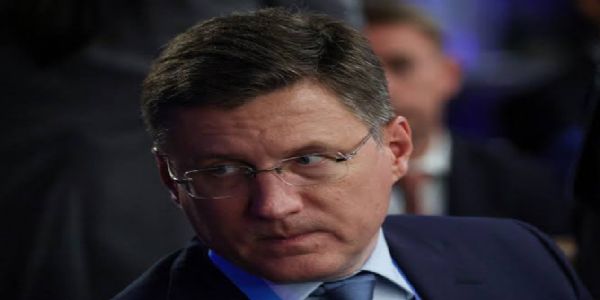
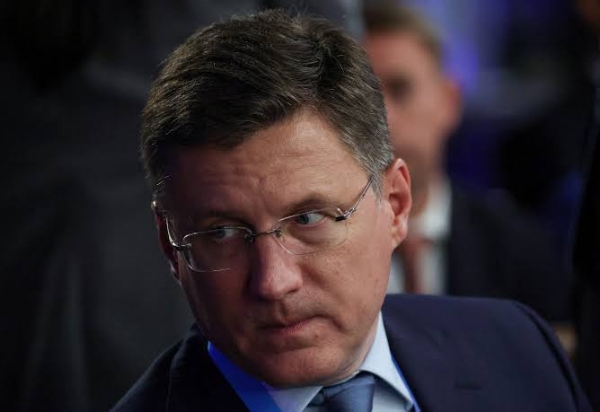
Deputy Prime Minister Alexander Novak chaired a crisis meeting Friday where officials zeroed in on President Vladimir Putin's directive: keep home fuel costs from breaching forecasts. With refining output steady at March 2025 levels and ample reserves of gasoline and diesel confirmed by energy firms, Moscow sees no supply crunch ahead – just unrelenting pressure from West Asia turmoil.
The Kremlin's decision underscores a laser focus on internal stability. Novak tasked the Energy Ministry with drafting the export ban resolution, prioritizing local needs over lucrative foreign sales even as overseas demand for Russian crude holds firm. Industry players reported high refinery utilization rates, enough to cover domestic thirst without imports.
This comes as the Iran war – now in its second month – hammers energy trade. International crude benchmarks have surged, disrupting everything from LPG shipments to LNG flows. India, a key importer, insists its stockpiles suffice for two months with refineries humming at overcapacity and LPG output up 20 percent, yet Russia's pivot signals broader ripple effects across BRICS energy ties.
Experts note Moscow's play hedges against deeper entanglement. While Putin condemned US strikes on Iran alongside China's Xi Jinping, Russia stays clear of direct military aid, channeling efforts into Ukraine instead. Lavrov's recent warnings to Washington highlight the asymmetry: strong rhetoric, cautious steps.
Longer term, the ban could reshape export maps. Gasoline once flowed freely to neighbors; now refiners pivot to diesel or local blending. If West Asia flares persist, expect tighter OPEC+ quotas or barter deals to fill gaps. For everyday Russians, though, it's simple relief at the pump – at least until summer driving season tests the reserves.
---------------
Hindusthan Samachar / Jun Sarkar