Tehran, 23 March (H.S.):
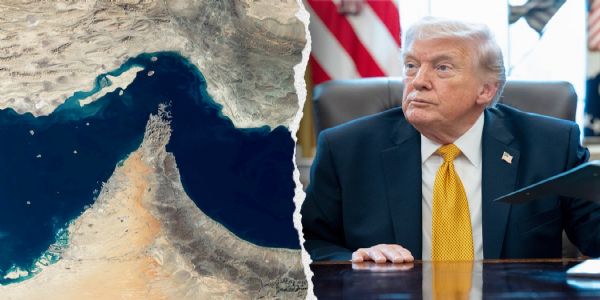
Amid a deepening war in the Middle East, Iran has warned that it could “completely” close the Strait of Hormuz if the United States moves ahead with President Donald Trump’s 48‑hour threat to strike Iran’s power plants. The exchange of threats over the narrow waterway, which carries a fifth of the world’s seaborne oil, has sharply raised fears of a wider regional crisis, energy shocks, and mounting pressure on global markets and shipping lanes.
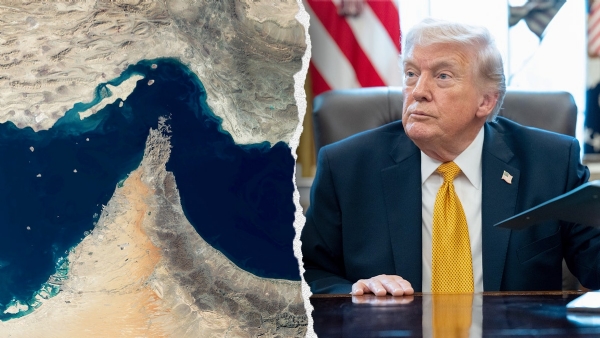
The Strait of Hormuz is a narrow channel that links the Persian Gulf to the Gulf of Oman and the open world oceans, roughly 33 kilometres wide at its narrowest point. According to trade and maritime estimates, about 20 per cent of global oil supplies and a significant share of liquefied natural gas transit through this corridor each day. In recent years, the passage has repeatedly become a flashpoint in US‑Iran tensions, with attacks on tankers, mines, and drone strikes acting as both punishment and deterrence tools.
Iran has already begun restricting vessel movement through the strait, allowing what it calls “safe passage” only for ships from countries it does not regard as enemies. Iranian officials have declared that the chokepoint will remain open “only for friends,” while effectively blocking or harassing vessels linked to Western and allied states. This move has forced many oil tankers to suspend operations, redirect routes, or seek naval escorts, leading to higher shipping costs and volatility in crude prices.
In response, Trump has issued a 48‑hour deadline for Tehran to reopen the Strait of Hormuz, warning that if Iran refuses, the United States will “hit and obliterate” Iranian power plants, starting with the largest one. Washington contends that Iran’s Revolutionary Guard uses civilian infrastructure such as power and desalination plants to support its military and missile operations, making them legitimate targets under its interpretation of the law of armed conflict. However, international legal experts stress that even dual‑use facilities must meet strict criteria and that any attack should not cause disproportionate harm to civilians.
Iran’s Parliament Speaker Mohammad Bagher Qalibaf has warned that any US strike on Iranian power infrastructure, including energy and desalination plants, would trigger retaliation against critical facilities across the region. He has stated that such facilities would be “irreversibly destroyed” and that international financial entities funding the US military budget would be treated as legitimate targets. Iran’s ambassador to the United Nations has similarly argued that attacking power plants would be “inherently indiscriminate and clearly disproportionate,” branding it a war crime under international humanitarian law.
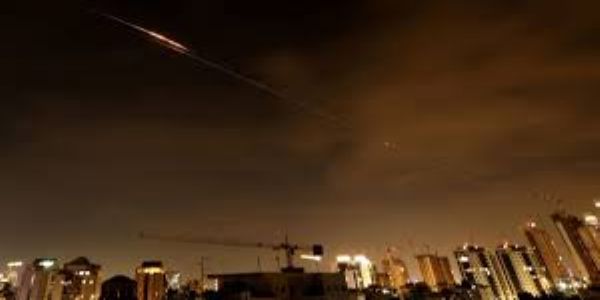
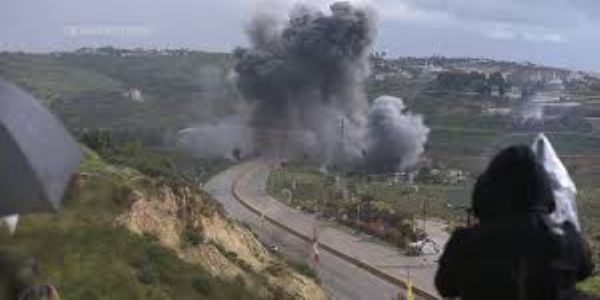
The current round of escalation has followed days of Iranian missile and drone strikes on Israel, as well as Hezbollah operations in northern Israel and Lebanon. Israeli authorities have reported that recent attacks, including one near the Negev Desert and the secretive Negev Nuclear Research Center, left dozens injured but no fatalities, leading Prime Minister Benjamin Netanyahu to describe the outcome as a “miracle.”
Israel and Washington have reiterated that their strategic goal is to cap Iran’s nuclear programme, roll back its missile capabilities, and reduce its regional influence.
Iran, meanwhile, claims that its latest strike in the Negev was a direct response to an earlier attack on its Natanz nuclear enrichment hub, which Tehran has hailed as a demonstration of its reach and resolve.
The International Atomic Energy Agency has said that most of Iran’s enriched uranium stockpile remains at the Isfahan nuclear facility, which has already suffered damage from previous strikes.
Casualty figures from both sides underline the human cost: Iran puts its own wartime death toll above 1,500, while Israeli officials say about 15 civilians and security personnel have been killed in Iranian attacks, with additional casualties in the occupied West Bank and in Gulf states.
With the Strait of Hormuz effectively weaponised and both Washington and Tehran treating civilian infrastructure as part of the battlefield, the situation has created a highly unstable equation.
Analysts warn that closing the strait, even partially, can trigger oil‑price spikes, currency swings, and supply‑chain disruptions worldwide, while any large‑scale strike on Iranian power plants could trigger humanitarian and environmental fallout that would affect the entire region.
As the 48‑hour window set by Trump ticks down, the world is watching closely to see whether the Strait of Hormuz becomes the choke point where rhetoric turns into full‑scale military action.
---------------
Hindusthan Samachar / Jun Sarkar

23 Mar 2026
Nepal: New Government Plans to Cancel 1,170 Political Appointments in First Cabinet Meeting
23 Mar 2026