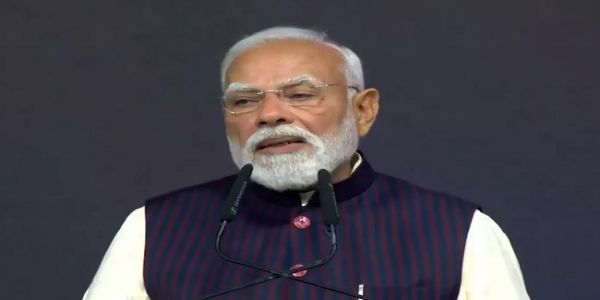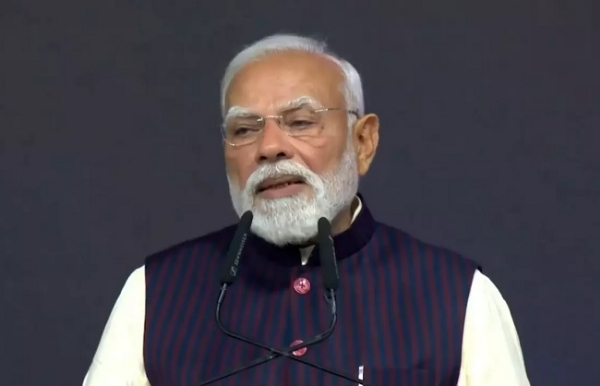
New Delhi, 20 March (H.S.): Prime Minister Narendra Modi engaged in a series of high-level telephone conversations with leaders from Qatar, France, Jordan, Oman, and Malaysia, urging immediate de-escalation in the escalating West Asia conflict that erupted following U.S. and Israeli strikes on Iran on February 28.
In these discussions, PM Modi strongly condemned attacks on the region's critical energy infrastructure, emphasizing their potential to trigger broader instability and disrupt global energy supplies.
He stressed the imperative of dialogue and diplomacy to restore peace, security, and unhindered navigation through the Strait of Hormuz, a vital chokepoint for international oil trade.
PM Modi extended warm Eid greetings to Qatar's Amir Sheikh Tamim bin Hamad Al Thani, reaffirming India's solidarity and gratitude for support provided to the Indian community amid the turmoil. With Jordan's King Abdullah II, he highlighted the risks of escalation from energy strikes and praised Jordan's role in facilitating the safe return of stranded Indians.
The Prime Minister described his exchange with French President Emmanuel Macron as a commitment to joint efforts for regional peace, while his productive talk with Oman's Sultan Haitham bin Tariq reiterated condemnation of sovereignty violations and advocacy for secure maritime routes.
Conversations with Malaysia's Prime Minister Anwar Ibrahim and others underscored a shared resolve for stability ahead of Hari Raya Aidilfitri.
These calls mark Modi's sustained outreach since the conflict's onset, including prior engagements with Qatar, Jordan, and Oman leaders, as Iran's retaliatory strikes on Gulf neighbors have heightened tensions and threatened energy security.
India's position prioritizes preventing further civilian infrastructure damage, with officials deeming such assaults unacceptable.
---------------
Hindusthan Samachar / Jun Sarkar