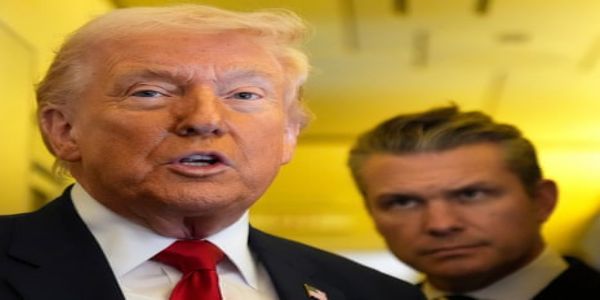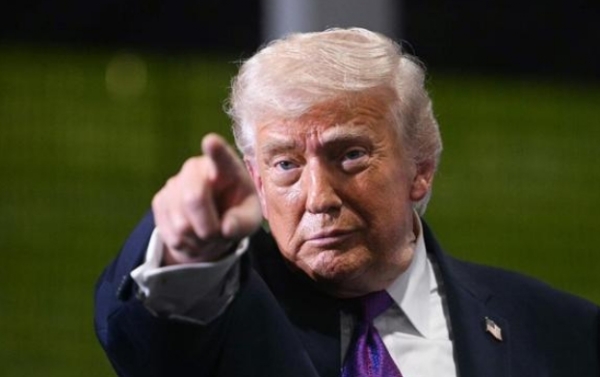
HAVANA/WASHINGTON, 17 March (H.S.): United States President Donald Trump has issued one of his most explicit threats yet against Cuba, declaring that he will have the “honour” of “taking” the Caribbean nation as it grapples with a nationwide electricity collapse and a crippling fuel squeeze.
Trump’s Remark: “I Could Do Anything I Want With It”
Speaking to reporters in Washington, Trump linked Cuba’s current turmoil directly to pressure from his administration and suggested that the island’s weakened state gives him unprecedented leverage.
“You know, all my life I’ve been hearing about the United States and Cuba. When will the United States do it?” he said, before adding that he believed he would have “the honor of taking Cuba.”
He went further, saying that “whether I free it, take it,” he believed he could “do anything” he wanted with the country because, in his words, it is “a very weakened nation right now.”
Trump has framed the ongoing fuel embargo as a response to what he calls an “extraordinary threat” posed by Cuba to the United States and has hinted that any political settlement with Havana may come only after Washington concludes its ongoing confrontation with Iran.
Speaking aboard the presidential aircraft, he said he expected that the United States would “pretty soon either make a deal or do whatever we have to do,” suggesting a binary choice between negotiated change in Cuba’s leadership and more forceful measures.
Blackouts, Oil Blockade And Deepening Crisis
Cuba is suffering from one of the most severe power crises in its recent history, with the latest outage caused by what authorities described as a complete shutdown of the national grid.
The country’s aging generation network has been strained for years, but the suspension of oil shipments has turned chronic shortages into daily blackouts that can stretch up to 20 hours in some regions.
The situation has deteriorated sharply since the toppling of Venezuela’s Nicolás Maduro, long Havana’s closest ally and key energy supplier, in a United States–led operation on January 3.
In the weeks that followed, Washington moved to halt the flow of Venezuelan fuel and finance to Cuba and then broadened the pressure with an executive order threatening sanctions on any country that supplies fossil fuels to the island.
As a result, no oil shipments have reportedly reached Cuba since early January, leaving power plants short of fuel, airlines cutting routes, and the tourism sector – a mainstay of foreign currency earnings – under further strain.
Street Anger And Political Pressure In Havana
The worsening shortages of electricity, food, medicines, and other essentials have triggered a wave of public frustration that is unusually visible in a system that has long suppressed open dissent.
Residents have staged noisy nightly protests, banging pots and pans from their windows and shouting demands for “libertad,” while a group of demonstrators recently attacked a local office of the ruling party in the central town of Morón.
Authorities say several people have been arrested over the incident, and President Miguel Díaz-Canel has acknowledged the “discontent” caused by the prolonged outages, even as he has condemned acts of vandalism as unacceptable.
The government has imposed fuel rationing and cut back some hospital services in an effort to stretch reserves, but these measures have only underscored the depth of the crisis and the impact of external pressure.
In a notable policy shift aimed at attracting capital and easing economic stress, Havana has announced that Cuban nationals living abroad will be allowed to invest in and own businesses on the island.
A senior economic official, who also serves as deputy prime minister, said the government now seeks a “fluid commercial relationship” with United States companies and is explicitly opening the door to investment from Cubans and their descendants residing overseas.
Díaz-Canel has confirmed that his government has held talks with United States officials, discussions that appear to be unfolding under intense pressure from the embargo and the threat of further escalation.
At the same time, reports in major United States media outlets, citing anonymous sources, suggest that Washington has privately signaled its desire to see Díaz-Canel removed from power, raising questions about whether negotiations are aimed at managed transition or regime change. �
An Island At A Crossroads Under Open U.S. Pressure
Trump’s vow to “take” Cuba, delivered amid a nationwide blackout and a sweeping fuel blockade, marks a stark departure from the cautious language that has traditionally surrounded United States policy toward the island.
For Cuba’s 9.6 million people, it encapsulates the convergence of domestic hardship and external pressure, as an already fragile economy faces rolling power cuts, empty shelves, and a leadership forced into unprecedented concessions while confronting the prospect of even more direct United States intervention.
---------------
Hindusthan Samachar / Jun Sarkar