




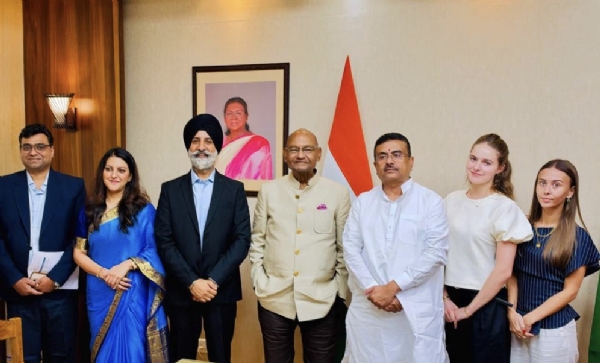
Kolkata, 03 November (H.S.): Asansol's historic industrial belt in western West Bengal is drawing fresh attention with the Vedanta Group initiating steps to establish a major aluminium smelter and power plant in the region. The proposed investment of ₹70,000 crore to ₹80,000 crore could give a significant boost to industrial activity in the area, bringing renewed focus on manufacturing, employment and the development of ancillary industries.
The proposal follows a high-level meeting between Vedanta Chairman Anil Agarwal and the state government at the secretariat, Nabanna. The proposed project is expected to require an additional 700 to 800 acres of land near JK Nagar and Bidhanbag. Discussions have centred on facilitating land availability, water and coal supplies, along with the necessary statutory clearances.
JK Nagar occupies an important place in India's industrial history. The country's first aluminium factory was established there in 1937 by the Aluminium Corporation of India under the JK Group. Following financial difficulties, the facility was nationalised and subsequently became part of the Bidhanbag unit of Bharat Aluminium Company Limited (BALCO) in 1984.
Vedanta's association with the facility dates back to 2001, when its subsidiary Sterlite Industries acquired BALCO. The company had also pursued plans for a large industrial complex at Bidhanbag in 2008, investing around ₹20 crore in acquiring 300 acres of land and constructing boundary walls. The proposed development did not progress, leaving the industrial potential of the site largely untapped.
The latest investment proposal has once again brought the region's manufacturing prospects into focus. An aluminium smelter supported by a dedicated power plant would require a substantial industrial ecosystem, including raw-material suppliers, transport operators, engineering services and downstream manufacturing units. The availability of coal resources, railway connectivity and an established industrial workforce are among the factors that make the Asansol belt relevant to the proposed development.
Industrial economist and investment analyst Dr. Arindam Bhattacharya said the proposed investment could have a significant impact on the regional economy. He pointed to Asansol's existing industrial infrastructure, railway network, coal reserves and skilled workforce as important advantages. According to his assessment, an investment of around ₹80,000 crore could generate approximately 10,000 direct jobs and create substantial indirect employment through ancillary and downstream industries.
The project also brings attention to the wider industrial revival of the Asansol-Durgapur belt, which has a long history of manufacturing and heavy industry. The region has hosted several major industrial establishments, including the Sen Raleigh Cycle Factory, Hindustan Cables at Rupnarayanpur and the BALCO facility at Bidhanbag. The development of new large-scale manufacturing facilities would add another dimension to this established industrial base.
For the local economy, the proposed aluminium complex represents an opportunity to expand industrial activity, create employment and encourage investment in supporting businesses. Its progress will depend on land arrangements, infrastructure development, statutory approvals and the finalisation of the company's investment plans.
The proposal has placed JK Nagar and the wider Asansol industrial belt back in the spotlight. The region's industrial legacy, transport connectivity and resource base provide the setting for a major manufacturing project, while its actual economic contribution will become clear as the investment moves from proposal to implementation.
Hindusthan Samachar / Satya Prakash Singh