



Suicides among students increased by 50%
Nagpur, 26 Nov (HS): In startling revelation the National Crime Records Bureau in its 2026 report has recorded 50 to 60 percent rise in students' suicide in the country. The reports of 2026 deals with the records statistics up to 2024. But the figure is ever rising looking at daily reports of suicides by students published in newspapers every day.
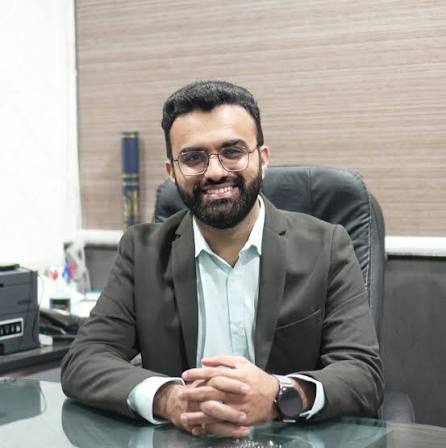
Expert in Neuro-psychiatry, a comparatively new branch in the field of medicine Dr Harkishan Mamtani explains the concept of suicides, particularly, suicides by students, in details. Although the issue is debated, it deals with bio-psycho-social fields together. The issue is close to psychiatry, sociology and also modern medical science.
Dr Mamtani explains the suicidal tendency can be predicted through chemical changes in the brain, but there is no technology developed to measure it through a laboratory changes. It is different from the hormonal changes. Only the risk in a person - higher or lower, Can be assessed but cannot be taken as a conclusive evidence.
The chemical changes can occur due to varied reasons, including stress, anxiety caused due to different individuals for varied causes.
The Bio-Psycho-Social Model in studying the causes of suicides was first presented by George Engel. Later Aaron Beck wrote about the reasons for an individual thinking of committing suicide include 'ideas of worthlessness or hopelessness'. These concepts are also related to impulsive behaviour or response by an individual. This occur more in students. The students are not able to control their impulses and think beyond the present situation they are facing. This is related to the age in which they are (Mostly below 25 years).
There is an old saying that conscious decisions are taken after attaining the age of 25 (Gaddhe Panchvishi meaning foolishness before 25 years of age).
The chemical changes can determine suicidal tendency, but the technology is not available. The machines to assess the FMRI may be available soon in India.
The suicidal tendency is related to the childhood life and skills of stress management, including coping with impulsive behaviour. With the childhood experience develops leads to gaining maturity at the early age by learning stress or anxiety management, extreme belief in God or depression or abnormal behaviour, Dr Mamtani explains.
Farmers' suicide are related to stress due to continuous crop failures. Growing suicides by the students is related to age and expectation by parents and other family members or the society. The future is measured by marks scored by the student at various levels. This can be overcome by generating awareness among the parents and the society at large.
Indian Association of Paediatric has issued guidelines about the issue.
Exposure to mobile phones, internet and television shows at the tender age is another cause. Pushing for stressful education at tender age with an expectation of higher and higher performance must be systematically controlled. The brain of a child is ready to accept and absorb information at young age. But the transfer of the information into a knowledge and its use constructively is important for the better future.
The present situation has made the younger generation insensitive and indifferent to the cause of the society and are concentrating in development and benefits of their own irrespective of the effect on the society. This tendency is very dangerous for the entire society and for their own future. Loneliness is an after effect of this way of thinking, which also leads to frustration and suicides at a later stage of life.
---------------
Hindusthan Samachar / Ajay Vasant Mardikar

18 Aug 2026